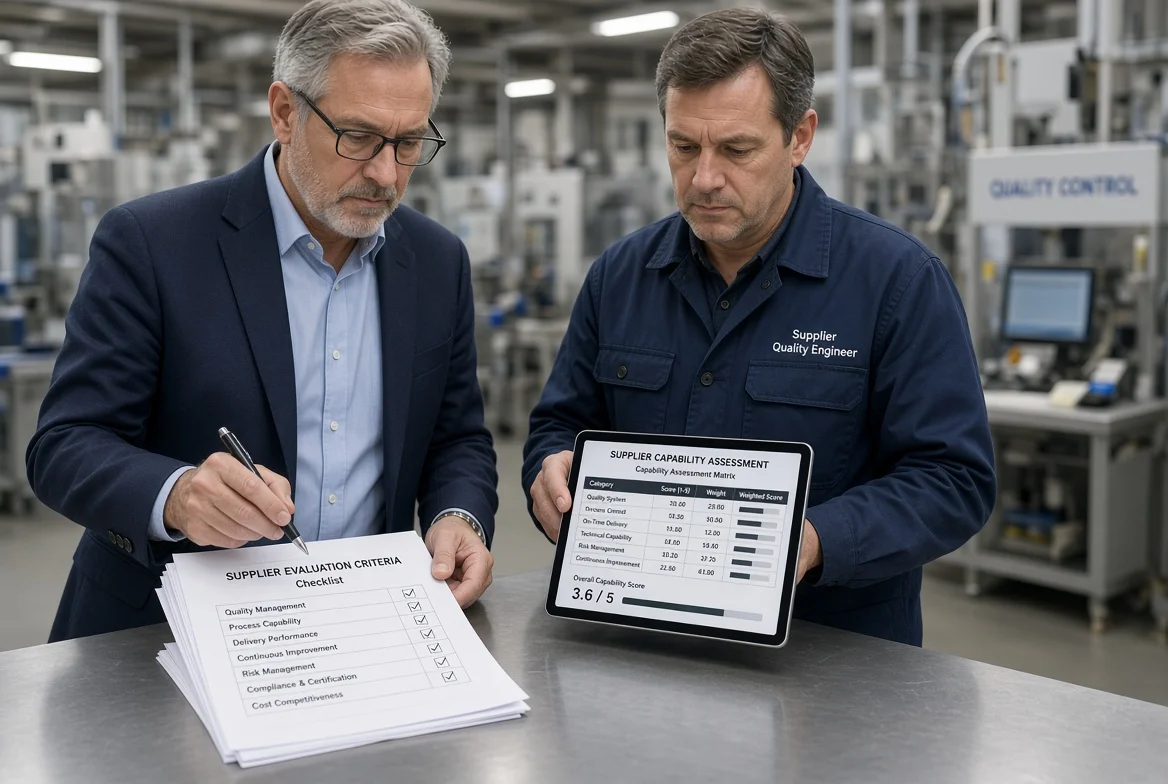
Procurement managers and manufacturing buyers receive a structured supplier evaluation criteria checklist focused on technical capability, quality systems, capacity, delivery performance, cost structure, compliance, risk, and partnership factors. The guide shows how to verify equipment, process controls, and real capacity before approving manufacturing suppliers and committing production volume.
This guide gives procurement managers, sourcing specialists, and OEM buyers a practical manufacturing supplier evaluation checklist. It shows how to assess technical capability, quality systems, capacity, delivery, compliance, and risk before choosing OEM manufacturing partners, so sourcing decisions rest on evidence rather than price or samples alone.
This guide gives procurement managers, sourcing specialists and professional buyers a clear, repeatable supplier evaluation procedure. It walks through seven practical steps—from defining requirements and screening candidates to technical assessment, capacity review, risk checks and final approval—so teams can evaluate capability, quality, delivery and commercial fit before placing significant orders.
This practical guide for procurement managers, sourcing specialists, quality teams, importers, and B2B buyers explains why supplier evaluation matters in modern procurement. It shows how structured evaluation prevents quality failures, delivery disruptions, hidden costs, and long-term supply risk before they become expensive operational problems.
This practical guide is for procurement managers, sourcing specialists, and importers who work with overseas suppliers. It explains why supplier evaluation is critical in global sourcing and shows how structured assessment prevents quality failures, delivery disruptions, compliance issues, and supply-chain risks before they become expensive operational problems.
Procurement managers, sourcing specialists, and business buyers can use this new supplier evaluation checklist before placing a first purchase order. The guide covers business verification, technical capability, quality systems, capacity, cost, compliance, and onboarding so teams assess risk with evidence instead of relying on samples and quotes alone.
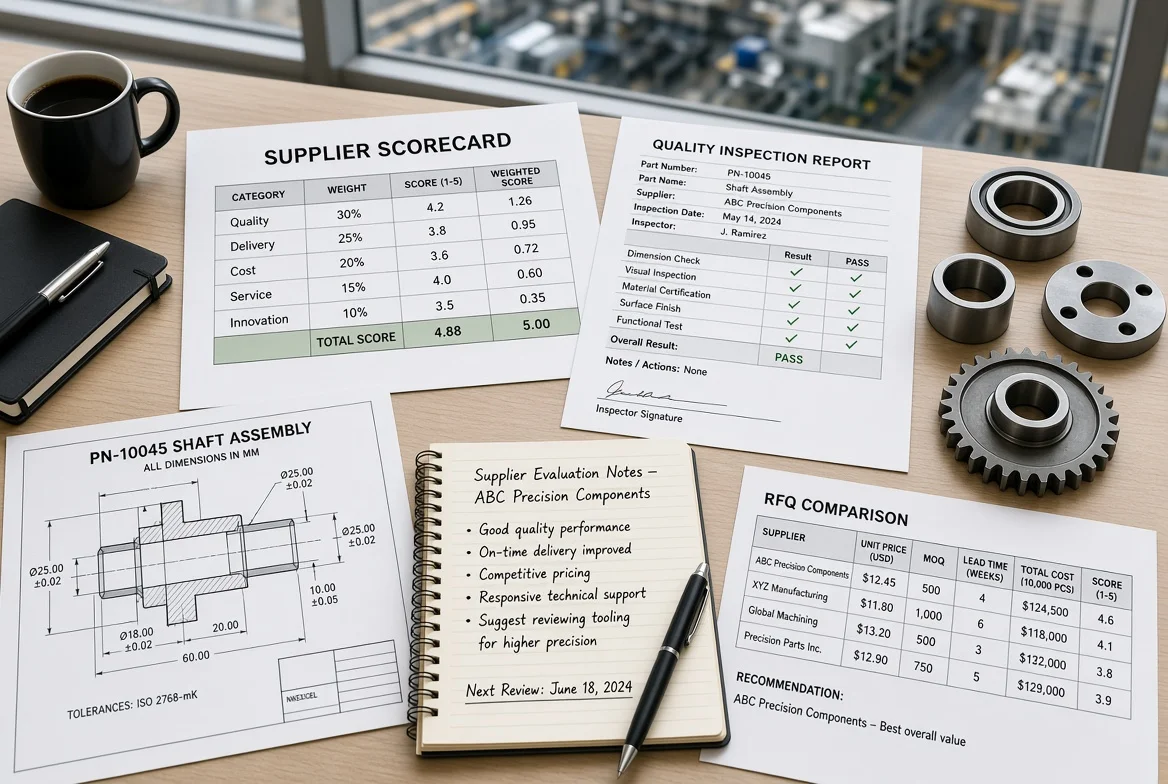
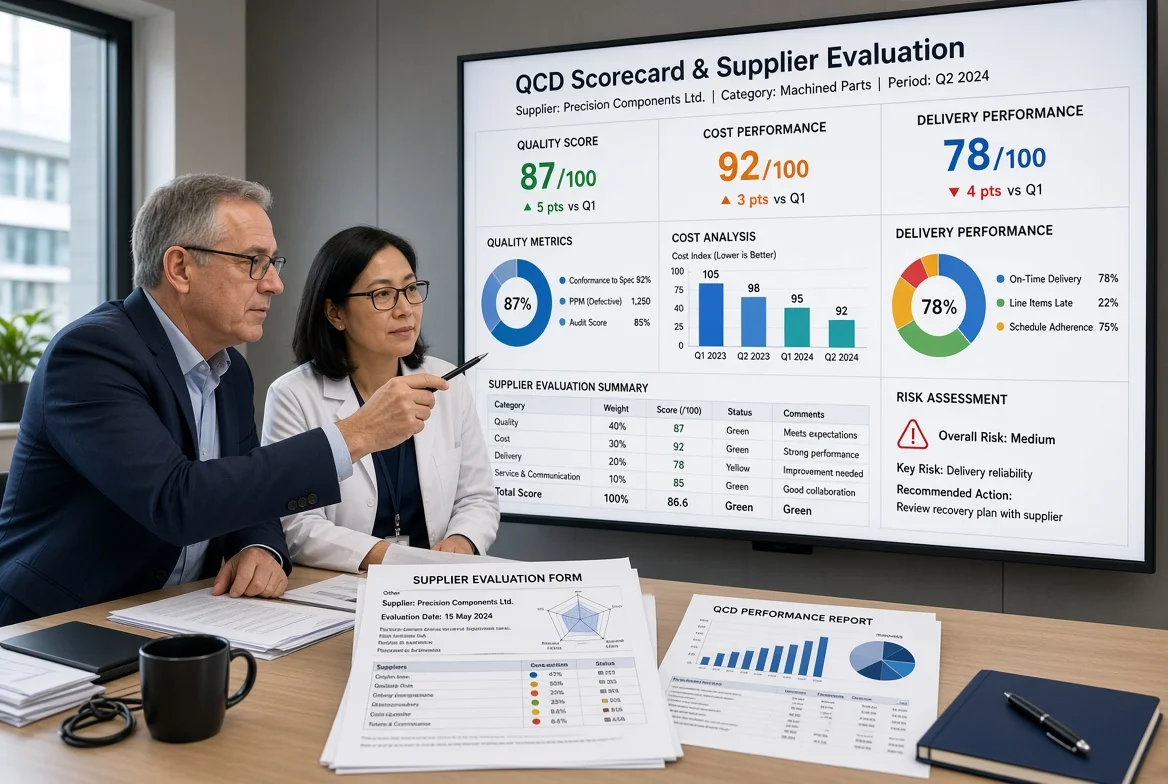
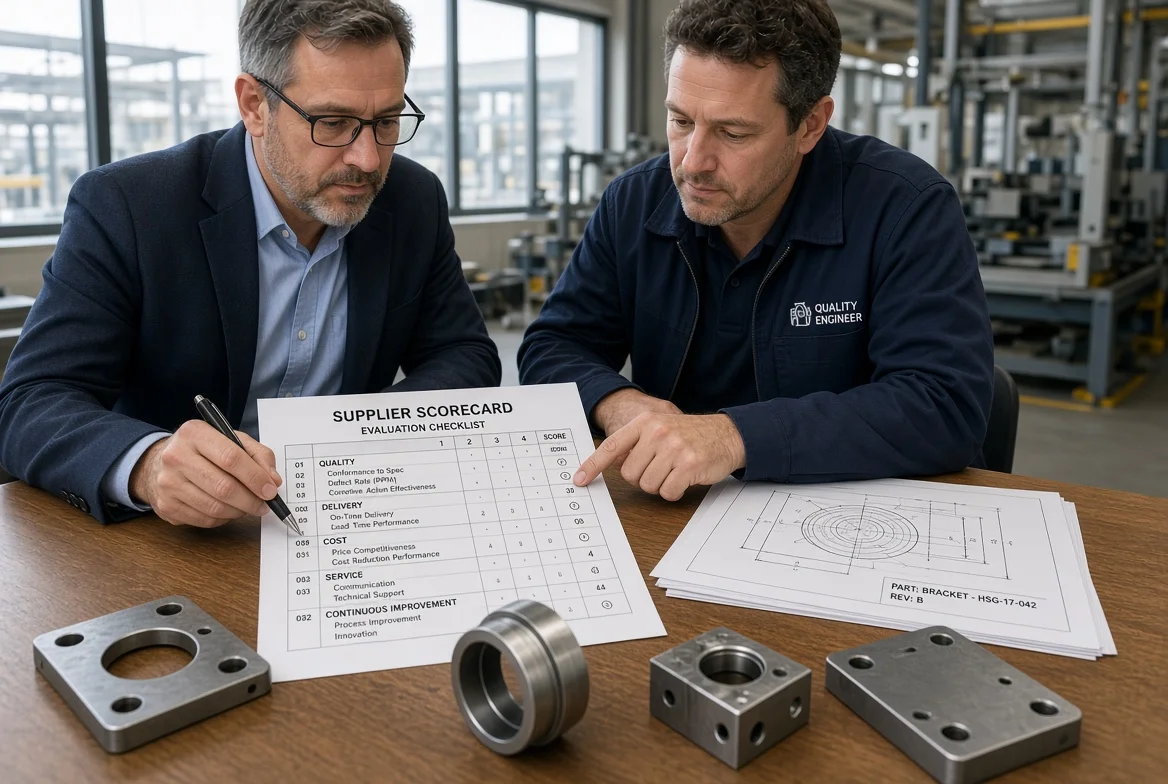
Quality, cost, and delivery form the core of supplier evaluation for procurement managers and sourcing teams. This guide explains how to assess each factor, calculate true total cost, evaluate delivery reliability, and balance trade-offs so you select suppliers that perform—not just quote the lowest price.
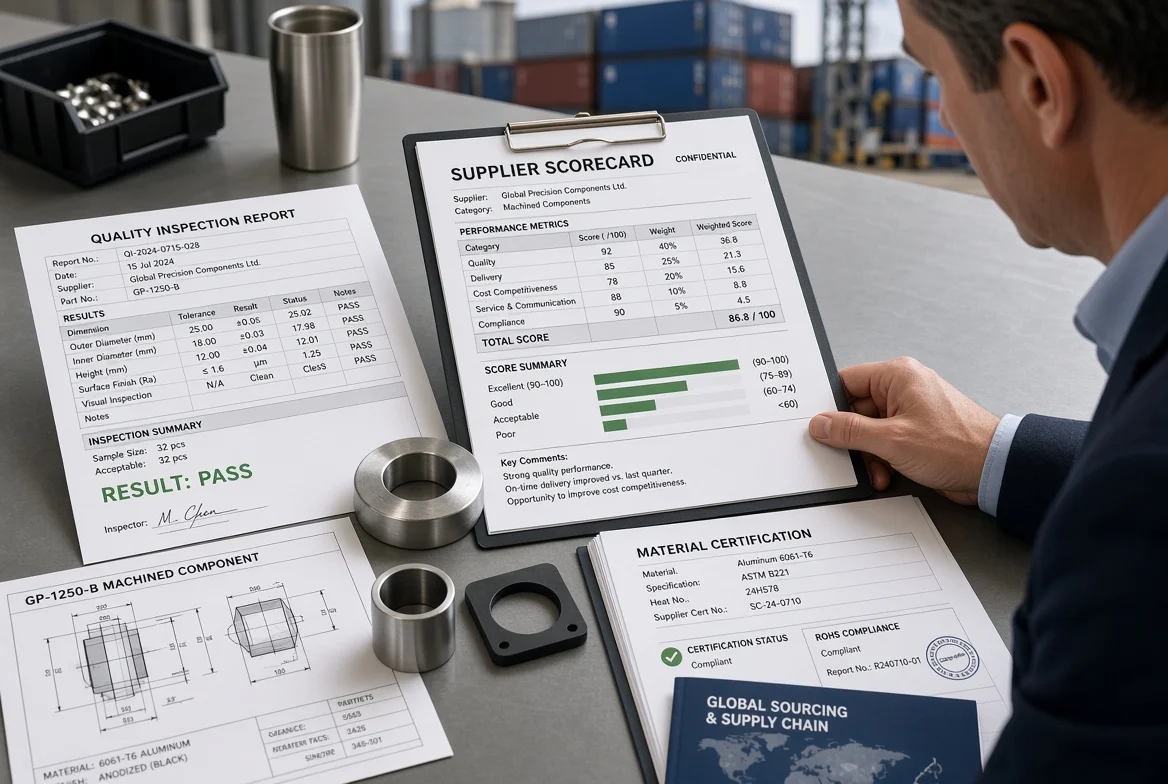
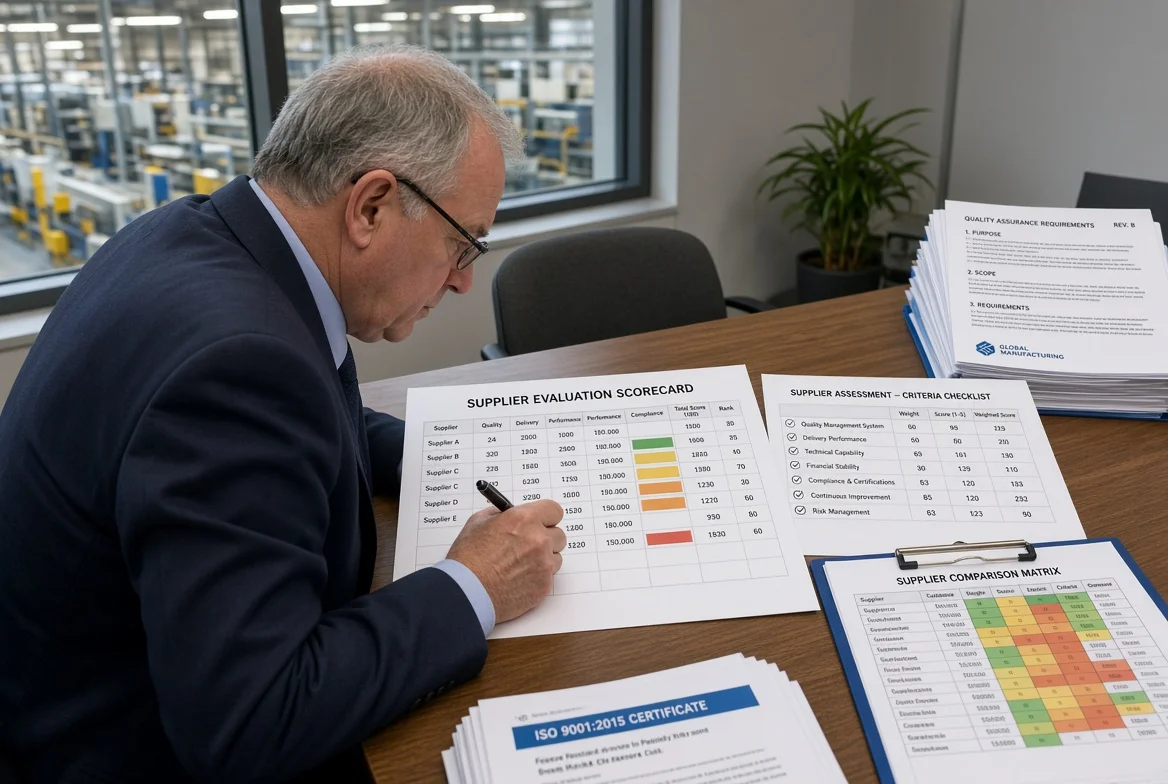
Procurement managers and sourcing specialists need a clear method to evaluate supplier quality, reliability, and performance on an ongoing basis. This guide explains the metrics to track, how to build scorecards, analyze trends, and use the results to allocate volume, develop suppliers, or replace underperformers with data-driven confidence.
This practical guide helps procurement managers, sourcing specialists, and quality teams understand the difference between supplier evaluation and supplier qualification. It shows how evaluation provides evidence while qualification sets the approval gate, supporting better supplier approval, risk management, and sourcing decisions.
This practical guide is written for procurement managers, sourcing specialists and quality teams that need a repeatable method to evaluate new suppliers. It outlines seven clear steps covering requirements definition, screening, documentation, technical and quality assessment, capacity and commercial review, risk due diligence, and final approval with ongoing monitoring.
This practical guide gives procurement managers, sourcing specialists and quality teams a structured supplier assessment process. It walks through seven clear steps to evaluate capability, risk, quality, delivery and commercial fit so teams can approve or reject suppliers with evidence before trial orders or contract awards.
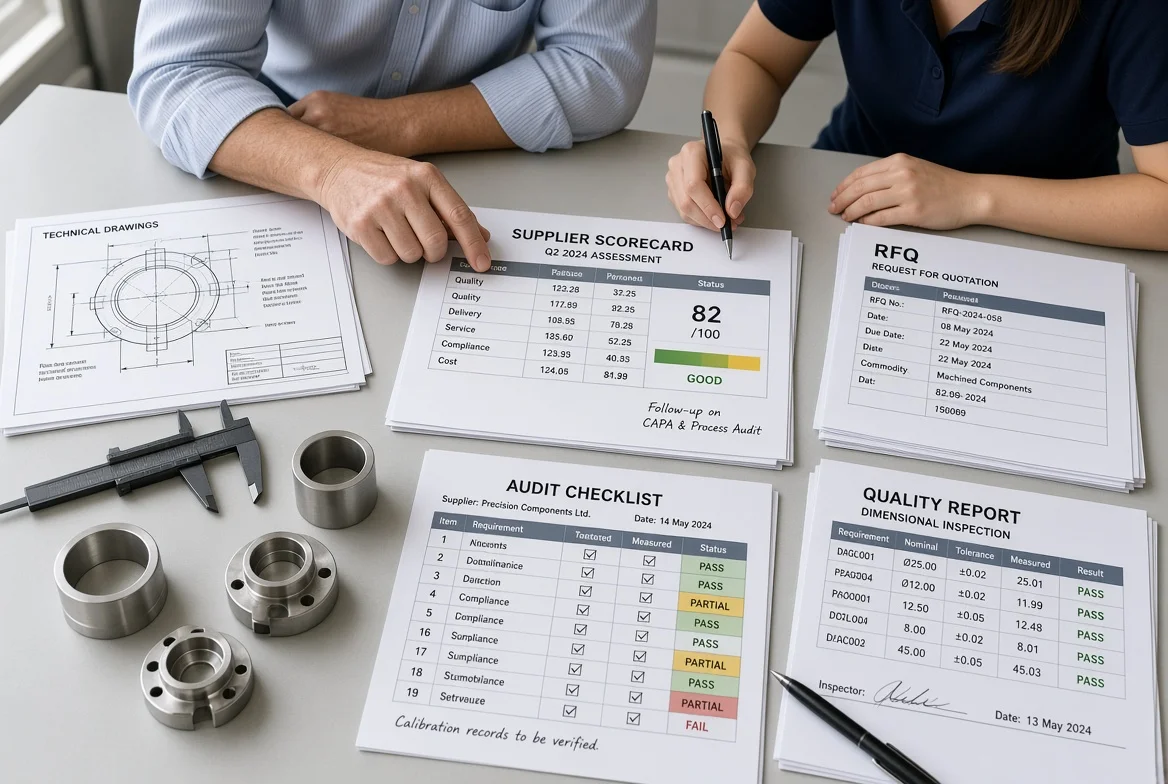
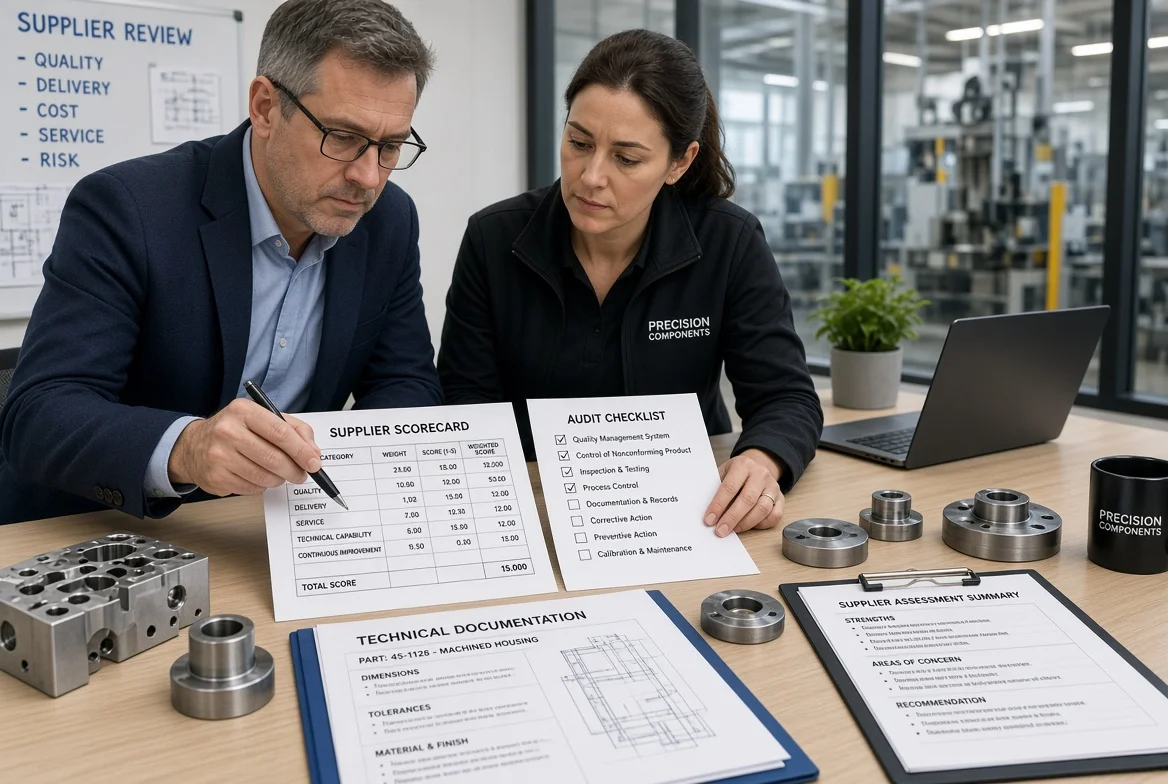
This guide is for procurement managers, sourcing specialists, and procurement teams who need a systematic way to evaluate suppliers. It provides a practical supplier evaluation checklist covering technical capability, quality systems, capacity, delivery, cost, compliance, and risk. Use it before RFQ awards, factory visits, or supplier approval so you collect the right evidence and avoid decisions based only on price or samples.
This practical guide helps procurement managers, sourcing specialists, quality teams, importers, and B2B buyers understand supplier evaluation. It covers how to assess capability, quality, cost, delivery, compliance, and risk before starting or expanding a supplier relationship, using real manufacturing examples and clear decision frameworks.
This guide is for procurement managers, sourcing specialists, and business buyers who need a practical view of supplier selection criteria. It explains how companies evaluate and choose reliable supplier partners by weighing manufacturing capability, quality performance, delivery reliability, total cost, financial stability, compliance, and partnership fit—not unit price alone.