
B2B Source Desk
Global Sourcing & Procurement Insights
Practical guides for evaluating suppliers, reviewing quotations, preparing RFQs, and making better global sourcing and procurement decisions.
Latest intelligence
Practical guides for better sourcing decisions
Factory Audit Process Explained: A Step-by-Step Guide for Global Buyers
This step-by-step guide walks importers, procurement teams, and B2B buyers through the full factory audit process. It solves the common problem of unclear audit workflows by detailing each stage—from objectives and scoping to on-site work, reporting, and verified corrective actions—so readers can apply a clear, repeatable process to their overseas suppliers.
Read More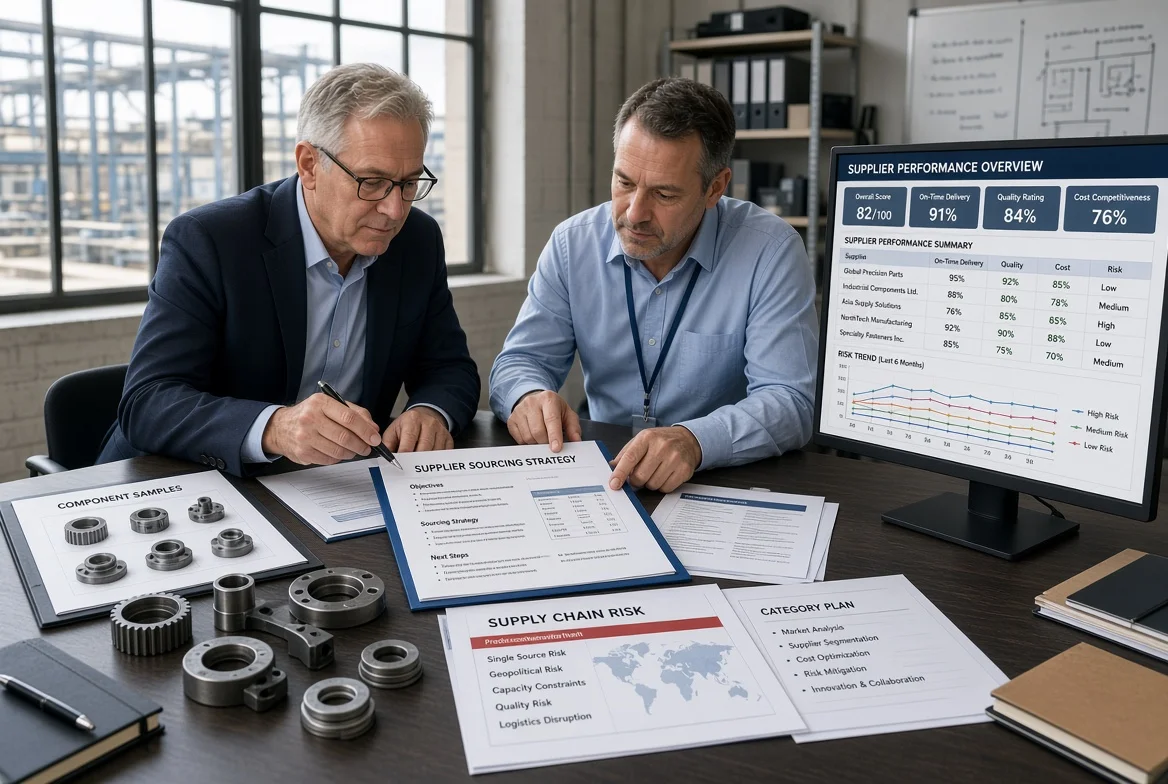
How to Build an Effective Supplier Sourcing Strategy for Your Business
Procurement teams, business owners, operations leaders, and sourcing managers learn how to build a repeatable supplier sourcing strategy that links supplier decisions to business goals. The guide covers category analysis, risk segmentation, sourcing models, total cost evaluation, and performance management so companies stop treating every purchase as an isolated transaction.
Read More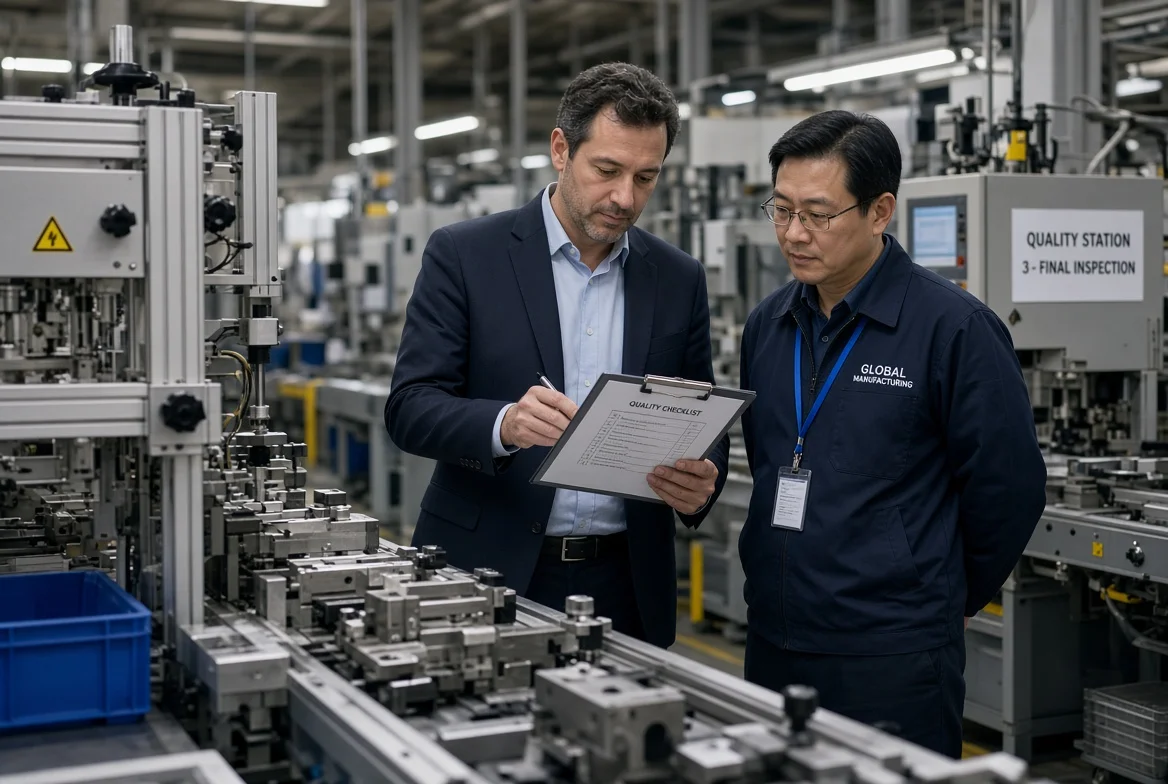
Factory Evaluation Checklist for International Buyers
An international buyer's factory evaluation checklist is a document of factors that they employ to evaluate whether a factory will be able to deliver the products they require, whether they will be of quality, whether they will be able to provide the quantity of products they need, whether the product will comply with
Read More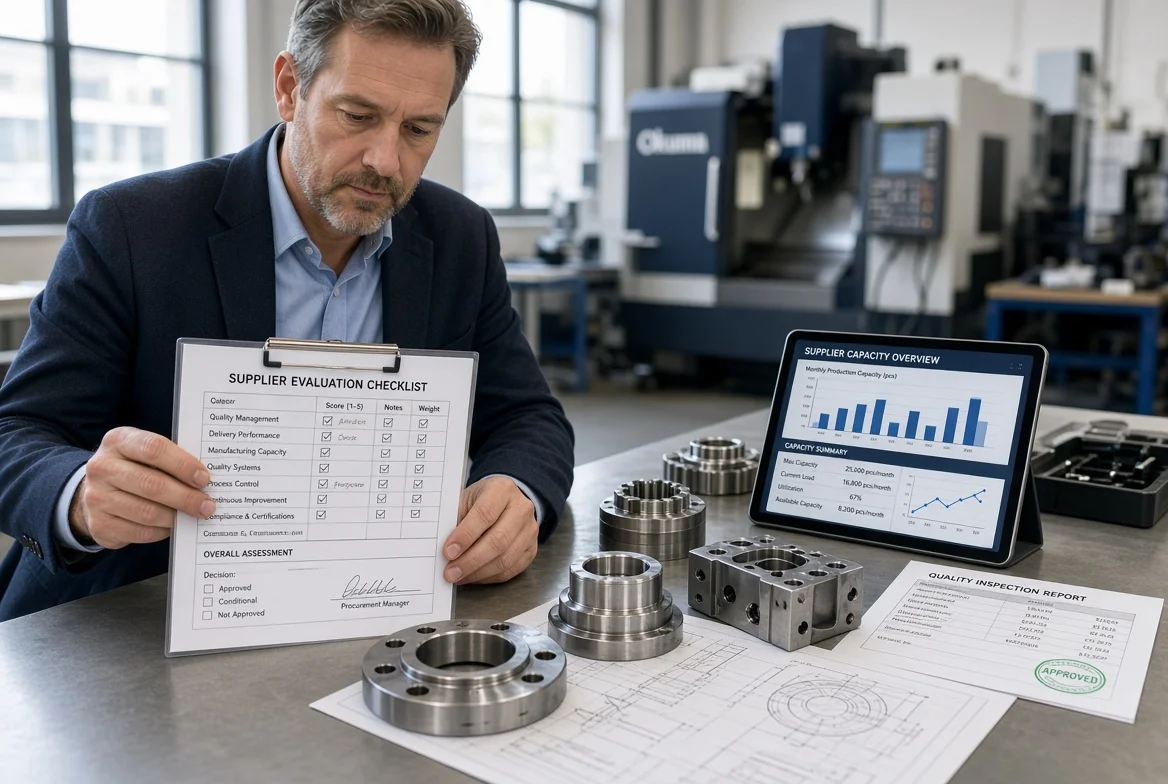
Supplier Evaluation Criteria: 10 Factors Every Buyer Should Check
Procurement teams, importers, product businesses, and sourcing managers get a clear, risk-based framework of 10 practical supplier evaluation criteria. The guide shows how to assess technical capability, quality systems, capacity, commercial terms, samples, communication, compliance, financial stability, references, and strategic fit so buyers can avoid common sourcing failures and make better purchase decisions.
Read More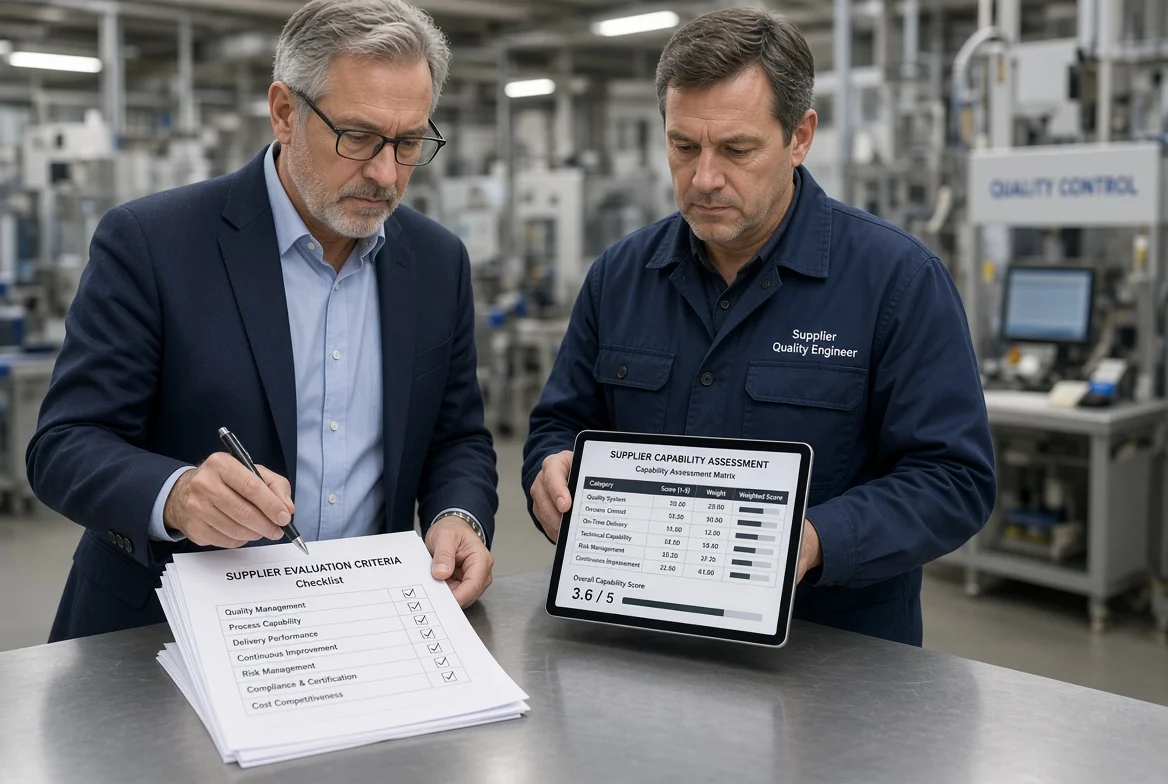
Supplier Evaluation Criteria Checklist for Manufacturing Buyers
Procurement managers and manufacturing buyers receive a structured supplier evaluation criteria checklist focused on technical capability, quality systems, capacity, delivery performance, cost structure, compliance, risk, and partnership factors. The guide shows how to verify equipment, process controls, and real capacity before approving manufacturing suppliers and committing production volume.
Read More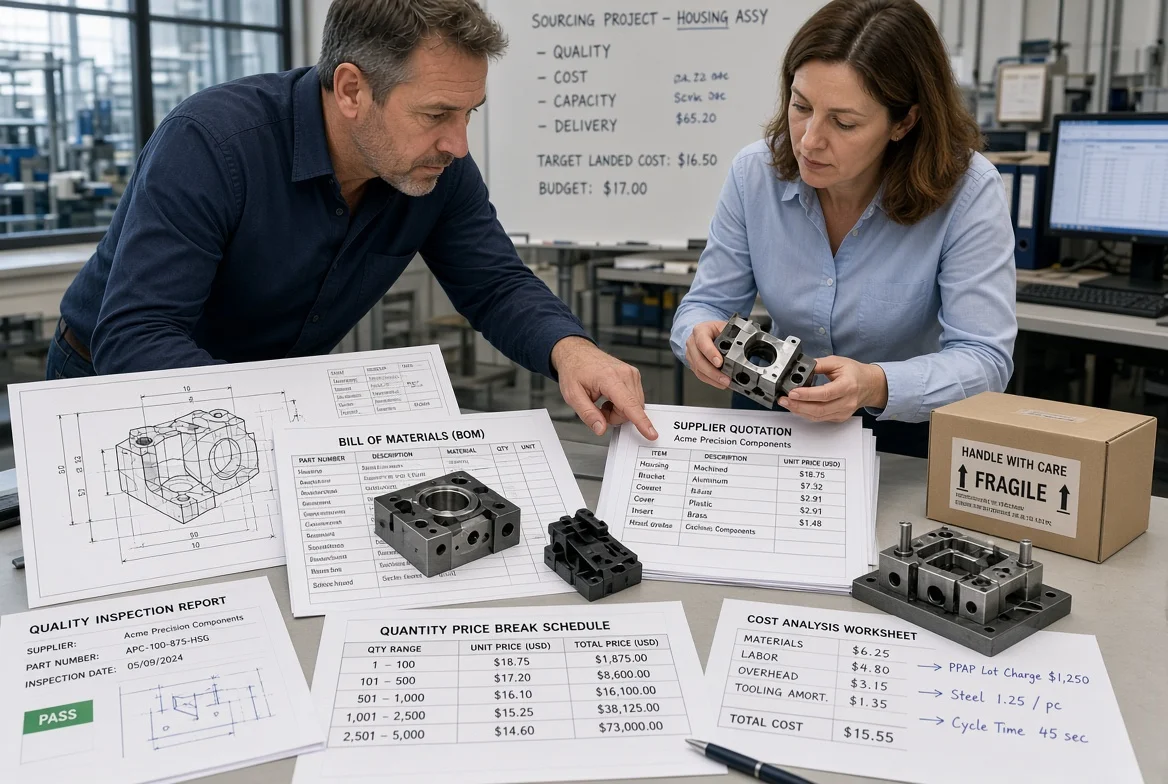
Manufacturing Quote Analysis: Key Cost Factors Buyers Should Review
This guide helps procurement teams, sourcing professionals, purchasing managers, importers, and business buyers review manufacturing quotations. It shows how to identify the cost drivers behind a supplier quote, confirm scope and assumptions, separate one-time charges from recurring unit cost, and ask better supplier questions before placing an order.
Read More
Why Procurement Strategy Matters for Business Growth
This guide is for business owners, procurement managers, operations leaders, sourcing teams, and manufacturing buyers who need purchasing to keep pace with expansion. It explains how growth exposes supplier-capacity, quality, inventory, and cash-flow weaknesses, and how a practical procurement strategy helps you secure supply, protect margins, and scale without turning extra demand into operational strain.
Read More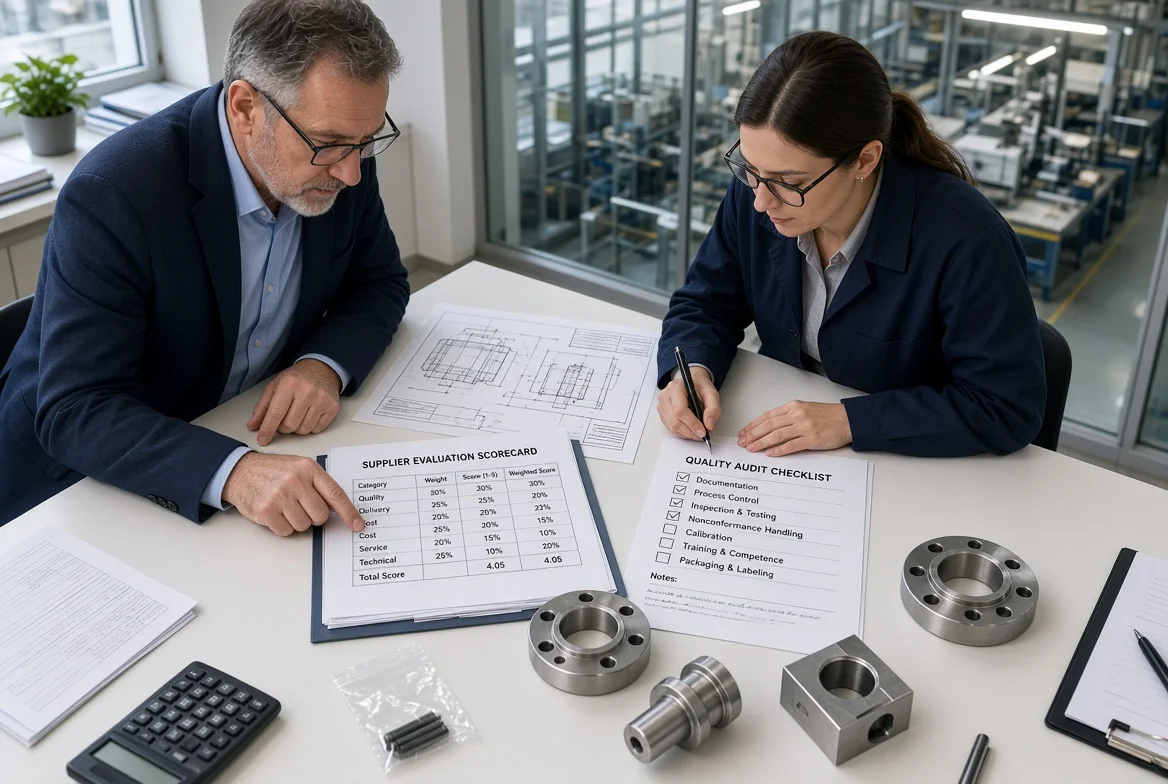
Supplier Evaluation vs Supplier Selection: Understanding the Difference
Supplier evaluation is not the same as supplier qualification. Assessment is the gathering of data to gain insight of capability and risk. Approval is the minimum standard of qualification and determines whether a supplier should be able to do business. Both processes are utilized explicitly by professional buyers: eva
Read More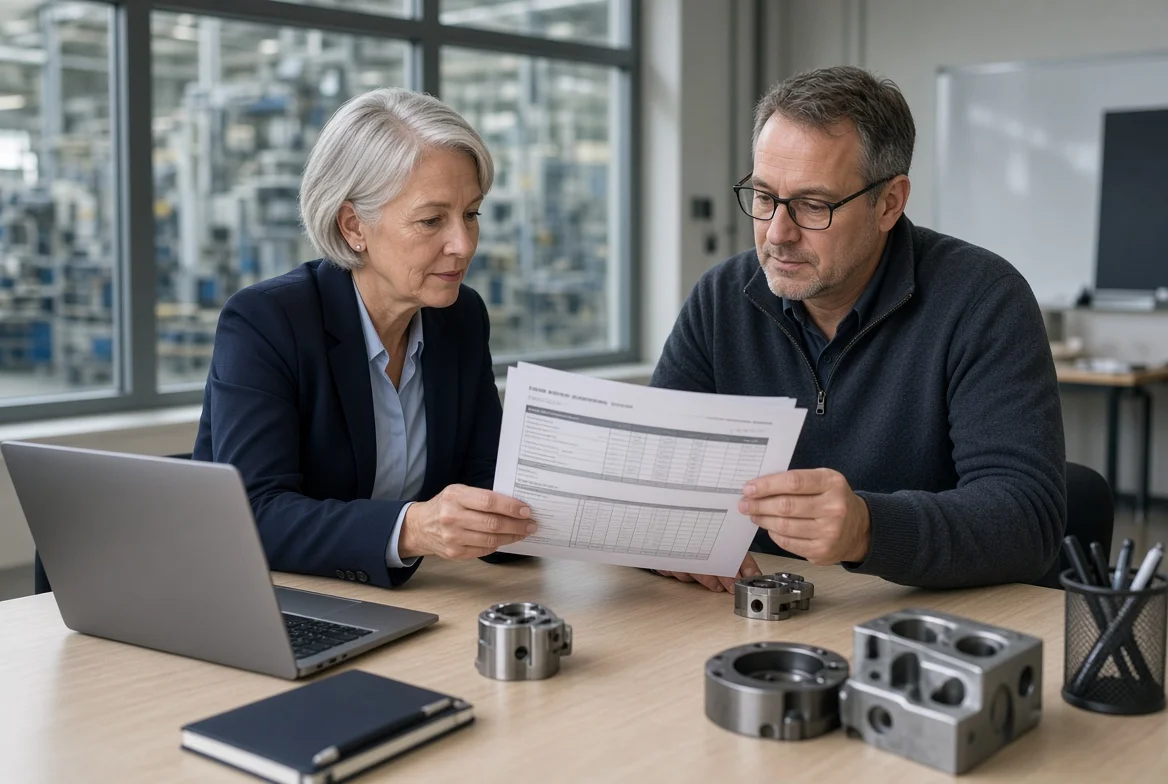
Manufacturing Supplier Evaluation Checklist for OEM Buyers
This guide gives procurement managers, sourcing specialists, and OEM buyers a practical manufacturing supplier evaluation checklist. It shows how to assess technical capability, quality systems, capacity, delivery, compliance, and risk before choosing OEM manufacturing partners, so sourcing decisions rest on evidence rather than price or samples alone.
Read More