
A supplier evaluation checklist gives a procurement team a shared, repeatable way to decide whether a manufacturer or service partner can actually support the work. Price and samples still matter, but they do not tell you if the plant has the right machines, process control, spare capacity, export discipline, or the financial room to stay in business. This guide is a practical supplier evaluation checklist for buyers who need to judge capability, quality, delivery, compliance, and risk before they award an RFQ or add a vendor to the approved list.
Many teams still treat evaluation as a quote comparison plus a sample sign-off. That is how you approve a supplier who can make one good lot and then miss delivery, hide incoming-material problems, or fail a customer audit six months later. Professional procurement team supplier evaluation looks at equipment, quality systems, capacity, logistics, commercial terms, and continuity—not only the unit price on the quotation.
Technical Capability and Equipment Assessment
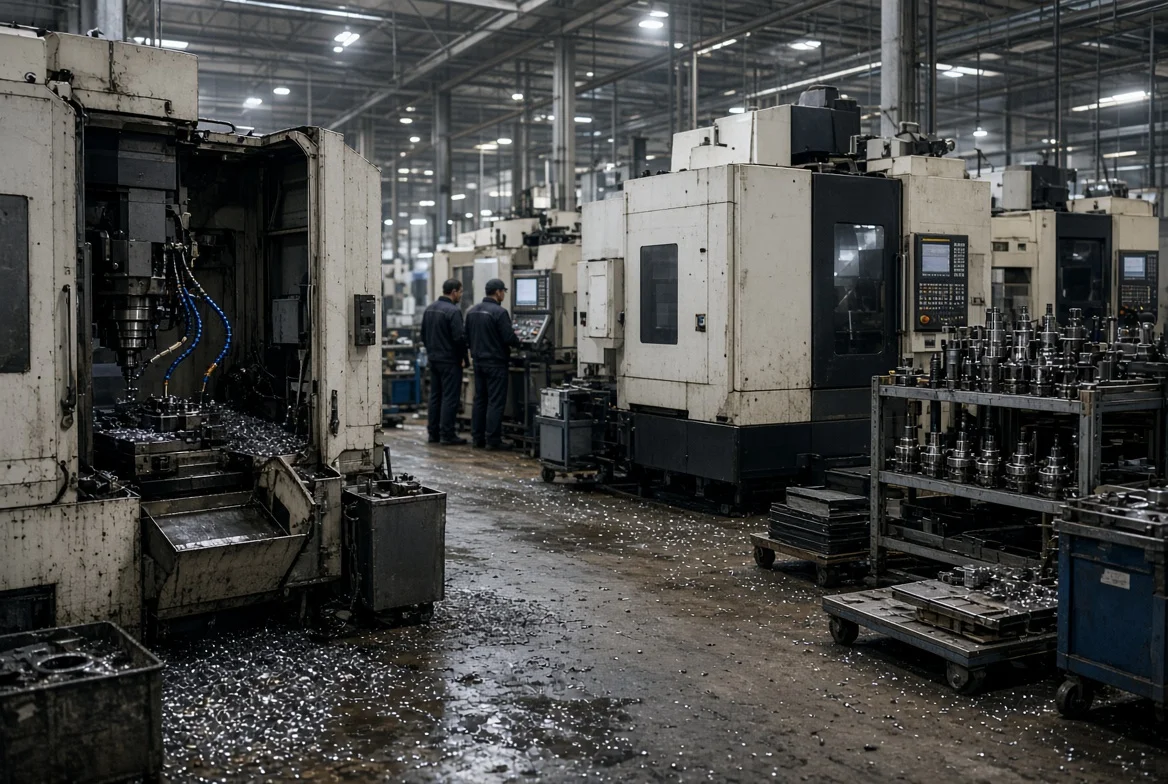
The key to any supplier assessment checklist procurement teams should use is technical capability. Without the process, there will be no commercial concession to save the program. Begin with something that you can identify: Machines, tooling, fixtures and the people that maintain them.
Explain what equipment is required and the verification of machine capability.
Request an up-to-date list of equipment (type, count, age, condition and capacity). Photos can help but they are not sufficient. Compare the list with the size of process your part requires: CNC envelope, tolerance, injection-moulding tonnage and shot size, press capacity, coating line or assembly station.
If a team is looking to purchase a housing that has tight tolerances, the company purchasing the housing should make sure to verify that the supplier has the appropriate CNC machines, probing and inspection equipment, and not just a brochure statement of “precision machining.” Maintenance records and capability data (such as Cpk on similar parts) provide information about whether those machines can hold the print or not.
The ability to tool, mold, and fixture.Tooling, Molds and Fixture Capability.
After the first sample, it is tooling, molds, and fixtures that determine the quality. Discuss ownership of tools, tool storage, tool upkeep, and documentation of fixture calibration.
A typical choice of paths: self-made molds or tools purchased from the tool shop. In-house capability can reduce change cycles. If the supplier is responsible for managing the vendor, controlling revisions and inspecting first-off parts following each tool repair, external tooling can work. Either the process or a sample isn't there; you're buying a sample, not a process.
Engineering Support and Technical Expertise.
Engineering support becomes a part of capability for custom or complex parts. Who will provide design for manufacturing feedback, who is responsible for process development, and how are problems escalated if a drawing is ambiguous?
It is best to partner with suppliers who have a true engineering bench when working on new products. They get information that can't be manufactured until the design is frozen. If the print will be changed during launch, then a trading company that forwards only emails isn't a good option – except for simple catalog products.
Quality Management and Process Control
Quality Management is a process used by the supplier to prevent the defect rather than tell the customer after the product is sent. Having a how to evaluate suppliers checklist and stopping there doesn't test the real process.
The quality management system and certifications.
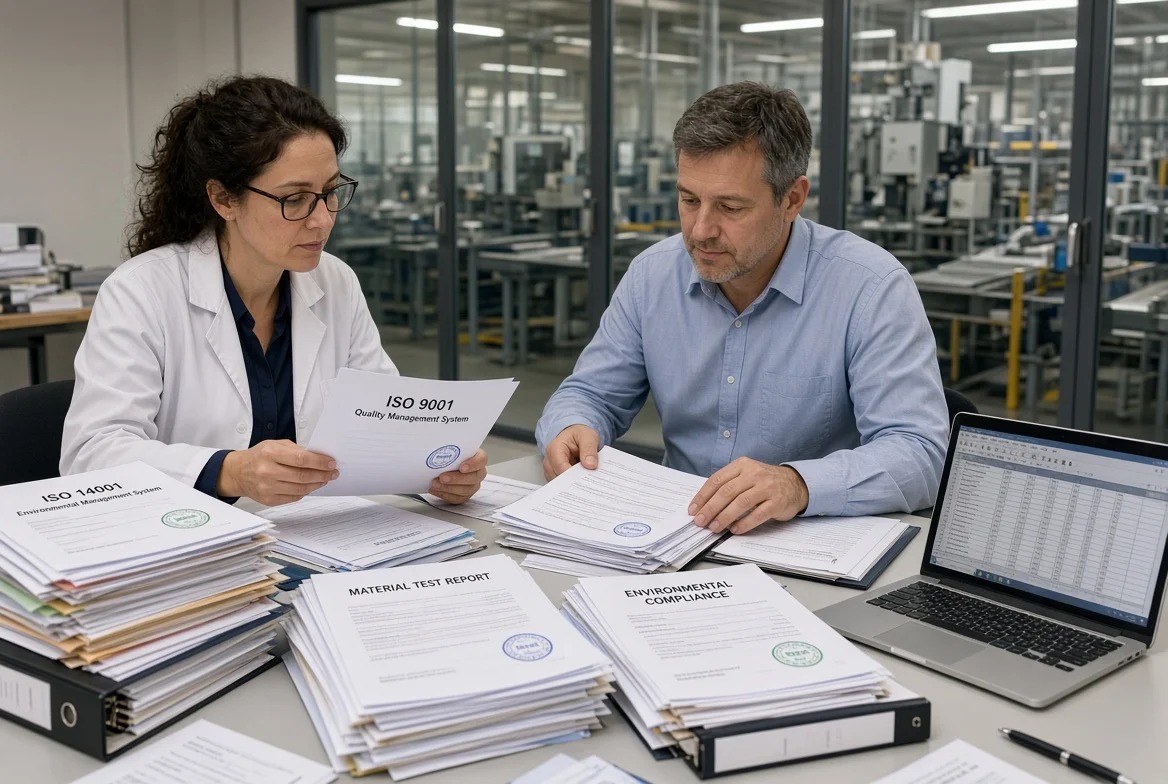
Check the quality manual, procedures, internal audit record, and certificates (when applicable) in your industry for ISO 9001 or IATF 16949. A certificate is a receipt for a system. It is not proof that the system will trap your particular failure mode.
Follow the process: document control, change control, calibration and closing of nonconformance. If procedures are in a binder and operators don't go there, don't use the certificate as a pass, but as a starting point.
Materials received, acceptance of material, supplier quality
The quality of the finished product begins at the dock. Inquire about how incoming lots are identified, inspected and released and how the supplier handles their vendors. Ideal for material identification, batch traceability and a clear reaction to out of spec from sub-supplier.
A team purchasing plated stampings should make sure incoming checks are done on coil, thickness of plating and certificates of analysis—even if they're told “we use good steel.” Samples that appear acceptable and lots that float are very common due to poor incoming control.
In-Process Controls and Inspection Points
In-process checks prevent defects from becoming more serious and working its way through the production line. Identify inspection points, process parameters and whether statistical process control (SPC) is applied to the characteristics that are significant.
In the evaluation, check for in-process inspection at critical points and SPC or similar monitoring of key parameters. When volume increases, if the only check is a final visual, you are playing by chance.
Inspection, Testing and Quality Records (Final)
The last gate before the goods depart is called Final inspection. Check methods, acceptance criteria, sampling plans, test equipment and retention period of records.
When a customer requests a copy of the inspection and test records, suppliers with full records are able to provide the required documentation more readily. They are also less likely to ship a lot that no one ever measured, compared with the drawing.

Capacity, Production Planning, and Scalability
Capacity indicates whether the supplier will be able to accept your volume within your window of choice rather than what the factory looks like in a picture.
The current capacity and utilization of the production units.
Please request machine hours, man hours, and current backlog schedule. Even if a plant has the necessary equipment, they may still not have capacity in your desired month.
There are also suppliers that offer a stated lead time with the expectation that there is a free line already in use by two bigger customers. Before you consider the quoted date as real, remember to include Utilization and committed load.
Production Planning and Scheduling Systems.
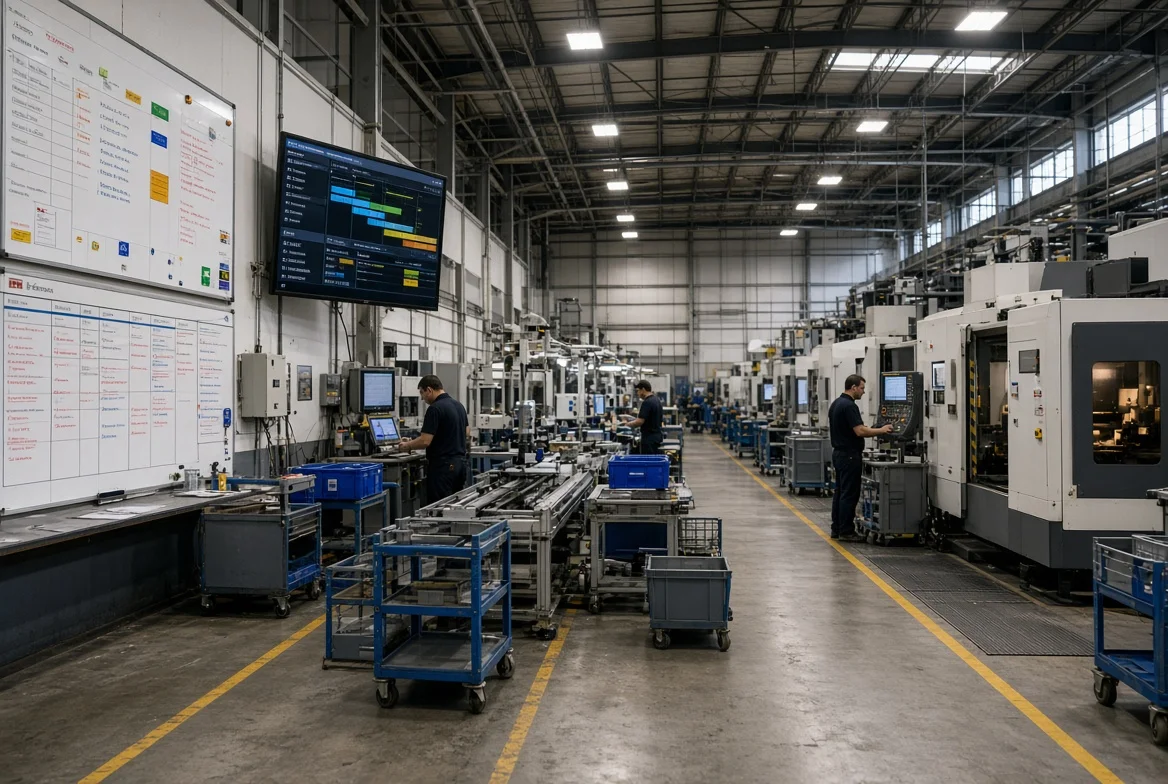
On-Time Performance is influenced by Planning Systems. Observe the supplier's workflows for job sequencing, job priority and WIP management. Formal ERP or MRP is helpful; for a small shop a white board is helpful if it is used and is updated.
If schedule changes are lost in a salesman's Inbox, you'll be in for a shock when there's a rush job bidding against you!
The ability to scale up and expand capacity.
Scalability – is the supplier able to expand with you? Consider plans for expansion, equipment lead times, hiring, and if they have a two-line or are looking to expand shifts.
You want to be able to add to its capacity without hurting the quality, or else it is a bad long-term option to those already on the verge of total exhaustion at your launch volume.
Delivery Performance and Logistics Capability
Deliveries are something that you are able to measure. If that supplier is not going to deliver on time and in full, they will be taking more time from your team than the unit-price savings will bring.
On-time delivery record and On-time metrics.
Request on-time delivery history, what they mean by that (on-time to promise versus on-time to request), trends and the top delay causes. While a verbal contract will suffice, a better indicator of performance is the past.
A very low percentage of “on time” delivery, such as 95% or higher, over the previous 12 months, and the reason for the decline. If the supplier cannot produce the metric, then it is an informal process.
Packaging and shipping readiness and export readiness.
Packaging and shipping are used to preserve the product and the timing. For export suppliers, capability includes export documents, customs classification, and freight co-ordination.
Even when a plant produces a satisfactory part, he or she can be delayed each month if the commercial invoice, packing list or certificate of origin is delayed or incorrect. Please review a recent shipment file, not just a statement "export worldwide.
Determine the amount of inventory needed to maintain and the safety stock.
Inventory policy is a reflection of how the supplier deals with demand fluctuations and material delays. Discuss raw material cover, finished goods policy and whether they will maintain safety stocks in an agreement.
When suppliers have a clear intention for inventory management, they are more likely to be able to meet a pull or a closure in raw materials. If you're running without a buffer, they'll add each disruption to your production line.
Cost Structure and Commercial Terms
Cost is a part of the checklist, but not the lowest-spreadsheet price per unit!
Unit price, cost breakdown and competitiveness
Be able to compare unit price with volume, market references and cost analysis, which includes material, labor, process, overhead and margin. If the price is not explained then it will be a price that will change once you place your order.
If multiple quotes are received, consider the component breakdown to determine if a lower quotation did not perform a process, did not use a higher grade, or did not include testing you must test later.
The payment terms, minimum order quantity and financial arrangements.
Cash and risk are impacted by payment terms, deposits, credit and minimum order quantities. At a slightly higher unit price that has reasonable MOQ and has a balance of terms, it will cost you less than buying six months of inventory at a lower price.
Documentation needed for order, documentation needed prior to shipping and what happens if a forecast changes.
The costs associated with tooling, NRE, and cost exclusions.
The true bid is frequently masked by tooling, NRE and exclusions. Don't read what is not there: Testing, Documentation, Special packaging, Gauges, or First-article support.
Often the lowest unit price doesn't include the very checks your quality team will want. Add those line items to the comparison so the “cheap” option is put on the same level of scope.
Compliance, Regulatory, and Environmental Requirements
When the product is regulated, safety-related, or sold into a market with strict material rules, compliance isn't an option. Without this section in a procurement supplier checklist, launches are delayed and customer audits fall through.
Product Compliance and Industry Certifications
Confirm standards for the part: safety marks, material restrictions, industry certifications and customer-specific tests. A supplier's declaration is not a guarantee. Request test reports, material documentation and evidence that they have shipped similar products.
If it is a generic certificate and is not related to your part number or revision, continue asking questions until you obtain the evidence that matches what you are going to purchase.
Environmental Management and Sustainability Practices:
Certain clients and sectors demand environmental systems like ISO 14001, documented compliance with rules such as RoHS or REACH and controlled waste handling systems. Additional confirmation of the limitations and controls of restricted substances in incoming materials and supplier's declaration update when formulations change.
As a team selling to the EU or a brand with a published substance list, this is a gate and not a nice-to-have.
Labour Practice and Ethic Standards
Labor and ethics are important aspects when your customers audit the chain and/or when that is required by your policy. Check the supplier's social-compliance program and worker safety and working hours procedures.
The easier it is to defend the supplier, the better.The more serious they are about working conditions the easier they are to defend in a brand audit or retail audit. People who see it as a piece of paper only will be a problem when the first customer requests a site review.
Risk Management and Business Continuity
Risk review is the process you use to ensure that you are not approving a supplier that can't deal with your first disruption. Strategic or sole source parts should have greater depth.
Financial stability and business viability.
Review important suppliers for registration, ownership, credit information and if available, review financial statements. You're looking to purchase material, pay people and invest in tools, not a perfect balance sheet.
Teams will find that sometimes, the low-cost pro supplier is already overworked. That supplier will not have enough personnel or a new mold to add them when they are needed.
Sub-Supplier Dependencies and Supply Chain Risk
Inquire about the source of critical materials and processes. One sub-supplier for a resin or casting, or special process, is one point of failure.
If you find that dependency, cooperate with the supplier to develop a second source or buffer or agree to take the risk in writing with a mitigation plan. Not talking about it is not a solution.
Business Continuity and Contingency Planning
Business continuity is related to plant's ability to continue shipping in case of equipment failure, labor shortage, or in case of logistics interruptions. Check for backup capacity, alternative routing, and a written plan that is owned.
Suppliers who have thought it through are better partners for critical components. Suppliers you haven't asked will create their own schedule.
Communication, Responsiveness, and Partnership Potential
Any relationship factors are simple to miss in a form and costly to overlook once a PO is placed. Communication quality is evident whenever a drawing is unclear, or a lot is late.
The ability to communicate effectively in a foreign language.
Evaluation of channels, clarity and language. People need to be able to talk about a deviation, process change or a schedule slip, without losing the technical point.
With each detailed question, it will have to go through a salesperson who isn't able to read the drawing and will cause the problem-solving process to be slow. This delay should be in the review and not as a shock after kick off.
Problem Solving Attitude and Responsiveness
Keep a close eye on how quickly the supplier responds to questions, and even more telling, how they respond when there's a problem. When answering a quotation quickly, and not commenting on a quality matter, that's a pattern worth scoring.
A practical test: Make a technical clarification during the evaluation process and observe the response in terms of completeness and timeliness. This will be the same behavior when production is running.
Partnership Potential and Long-Term Alignment
Partnership potential is the willingness of the supplier to invest in the relationship, not just to order once and forget.Partnership potential: Are the suppliers going to invest in the relationship in terms of capability, quality and joint problem solving or is the supplier just another one-time orderrer?
In the case of strategic parts and multi-year programs, a supplier who is willing to invest in the relationship is more valuable than someone who offers just a bit less for the same price who will not keep an engineer on your account.

Final Takeaway: A Comprehensive Checklist Reduces Sourcing Risk for Procurement Teams
A full supplier evaluation checklist ensures a procurement team does not approve a supplier based solely on price and samples. Complete the capability, quality, capacity, delivery, cost, compliance, risk, communication, and gather evidence along the way. Those items should be weighted according to the product and the risk—and not a single universal scorecard.
Follow this supplier evaluation guide along with your other evaluation process, evaluation criteria, qualification process, factory audits and subsequent performance evaluations. This is not a checklist of any kind to replace judgment. It ensures the judgment is ever so apparent, consistent, and difficult to overlook when time is short.