
B2B Source Desk
Global Sourcing & Procurement Insights - Page 3
Latest intelligence
Practical guides for better sourcing decisions

Procurement Strategy for Manufacturing Companies: A Complete Guide
This guide is for manufacturing procurement managers, sourcing teams, operations leaders, OEM buyers, and industrial supply-chain professionals. It explains how to build a manufacturing procurement strategy around direct materials, BOM cost, supplier qualification, capacity, incoming quality, lead time, and risk so purchasing decisions support production instead of disrupting it.
Read More
Tooling Costs, Setup Fees, and Hidden Charges in Supplier Quotes
Procurement teams, purchasing managers, importers, and product developers should review custom manufacturing quotes for tooling ownership, setup fees, molds, fixtures, engineering, sample trials, maintenance, testing, packaging, MOQ, and amortization. This guide explains how those charges appear, what they often exclude, and which supplier questions to settle before you approve a one-time or hidden cost.
Read More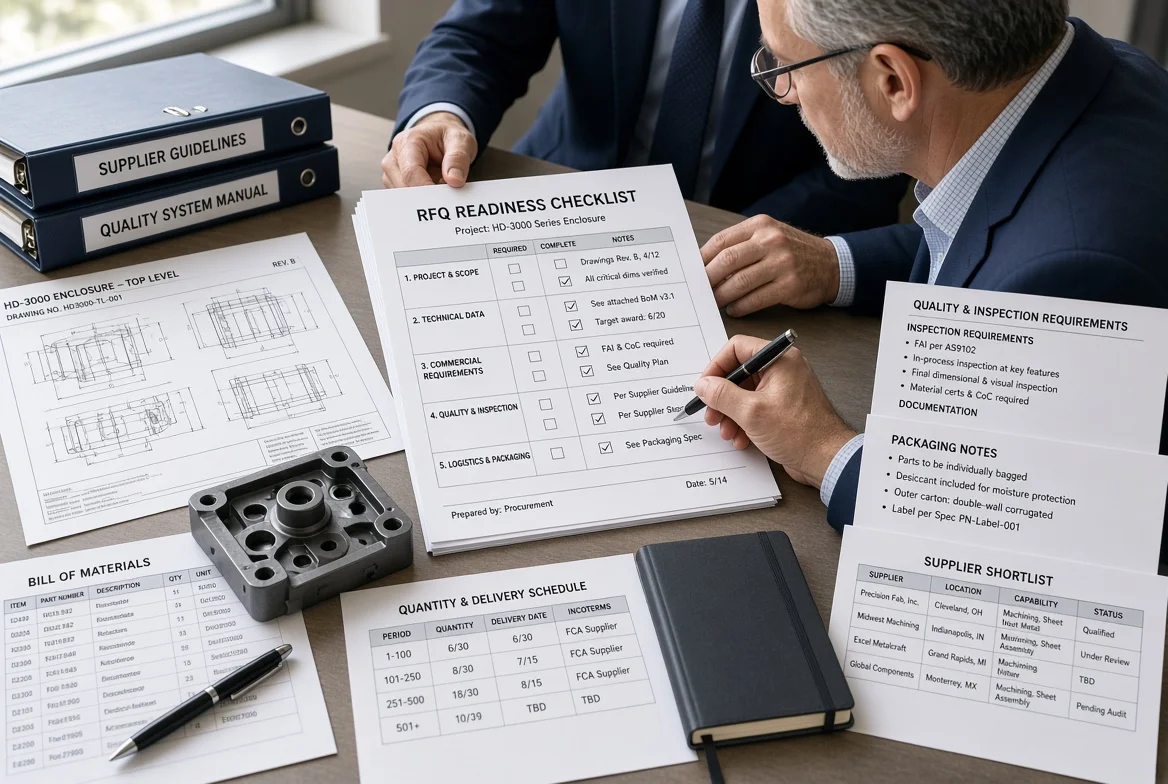
RFQ Checklist for Buyers: What to Prepare Before Contacting Suppliers
This RFQ checklist helps purchasing managers, sourcing teams, importers, and product developers prepare before contacting manufacturers. It covers product scope, drawings, quantities, quality, delivery, commercial terms, supplier qualification, and internal approval so requests produce comparable quotations instead of guesswork.
Read More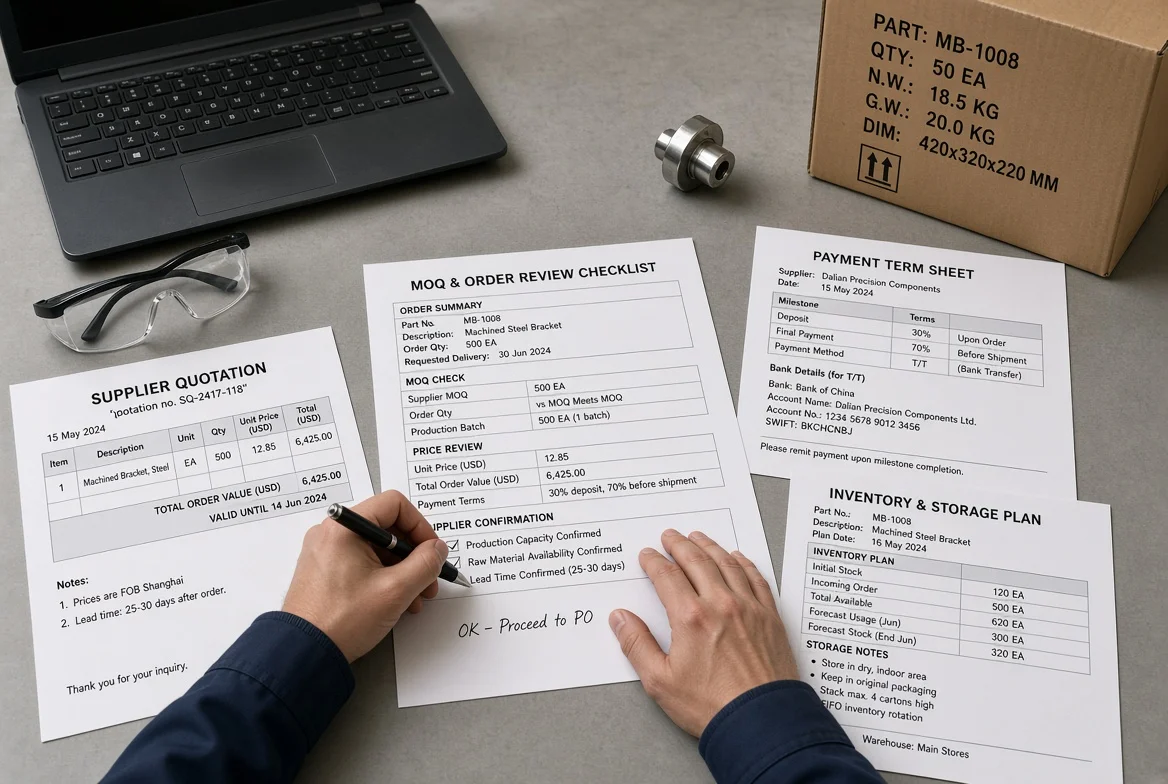
How MOQ Affects Supplier Pricing and Manufacturing Quotations
This guide is for procurement teams, purchasing managers, importers, product developers, and business buyers evaluating supplier MOQs. It explains why suppliers set minimums, how quantity changes unit pricing and quotations, how MOQ differs from price breaks, and how inventory and cash-flow exposure can offset a lower unit price. It also covers practical ways to negotiate or manage MOQ.
Read More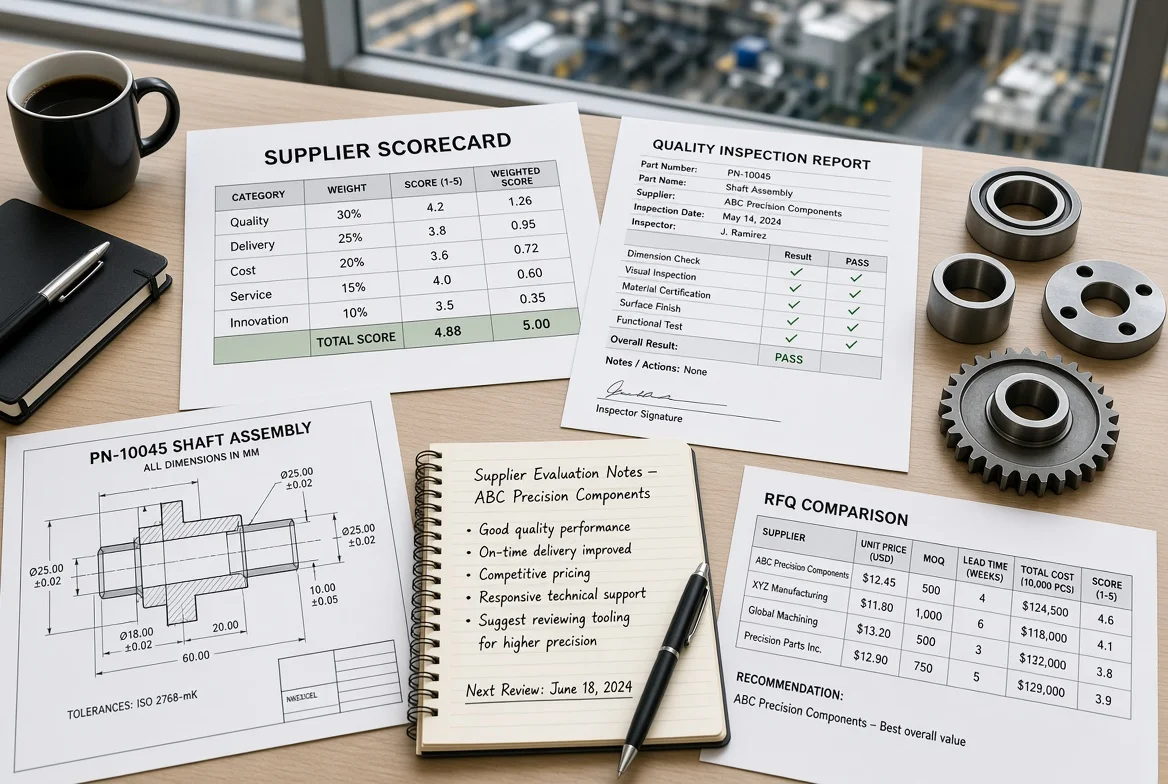
Supplier Evaluation Explained: Why It Matters in Modern Procurement
This practical guide for procurement managers, sourcing specialists, quality teams, importers, and B2B buyers explains why supplier evaluation matters in modern procurement. It shows how structured evaluation prevents quality failures, delivery disruptions, hidden costs, and long-term supply risk before they become expensive operational problems.
Read More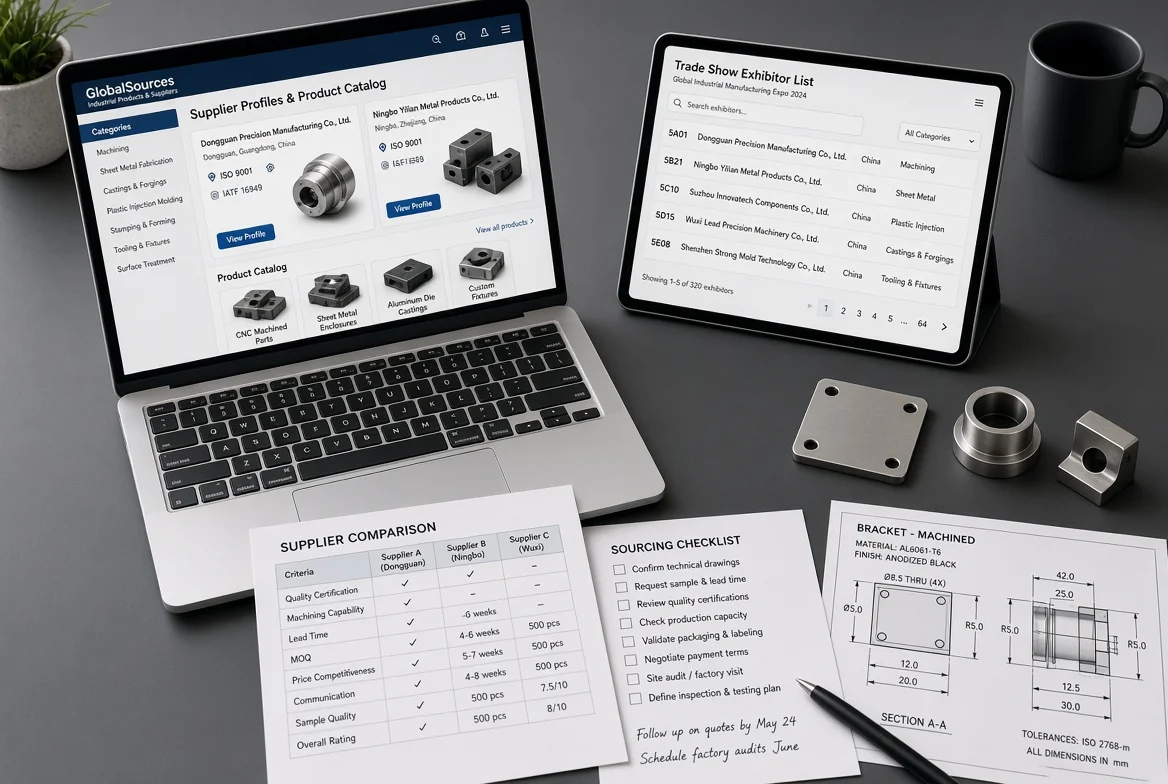
Supplier Search Methods: Online Platforms, Trade Shows, and Sourcing Networks
This guide helps product businesses, importers, procurement teams, and sourcing managers choose and combine the right supplier search methods. It covers online platforms, trade shows, and professional networks so buyers can generate a relevant longlist of manufacturers and suppliers before moving into screening and verification.
Read More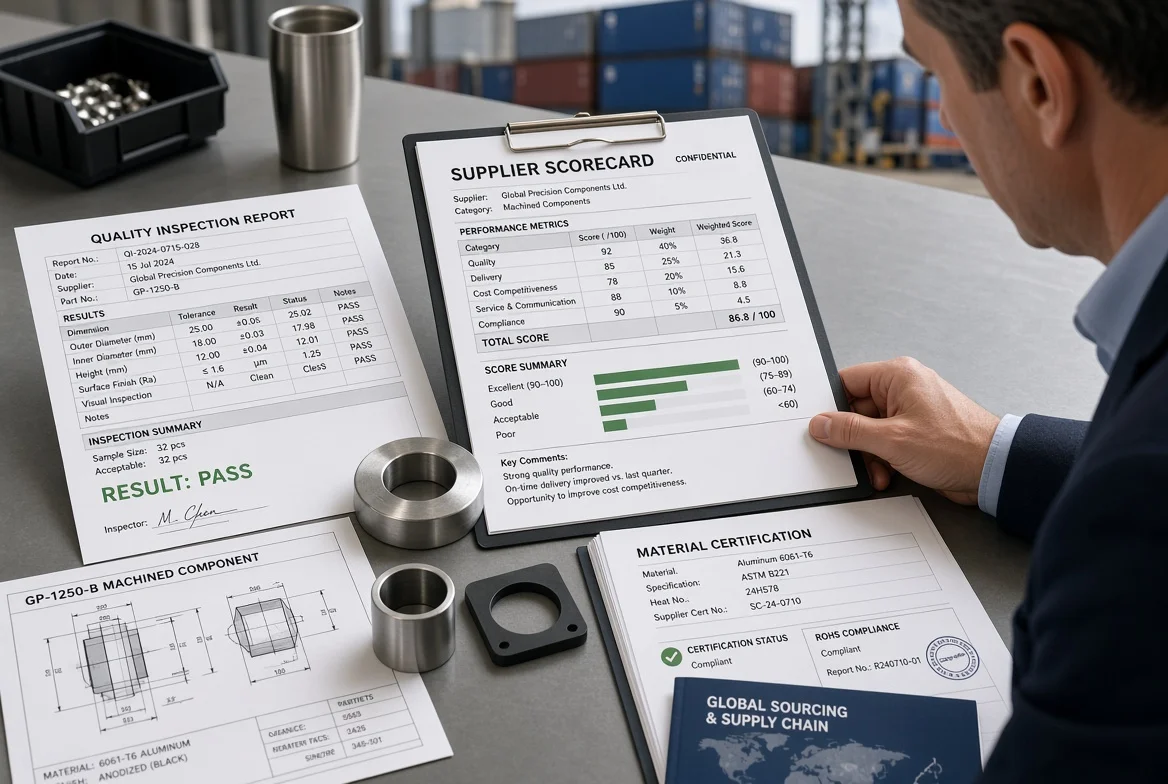
Why Supplier Evaluation Is Critical for Global Sourcing Success
This practical guide is for procurement managers, sourcing specialists, and importers who work with overseas suppliers. It explains why supplier evaluation is critical in global sourcing and shows how structured assessment prevents quality failures, delivery disruptions, compliance issues, and supply-chain risks before they become expensive operational problems.
Read More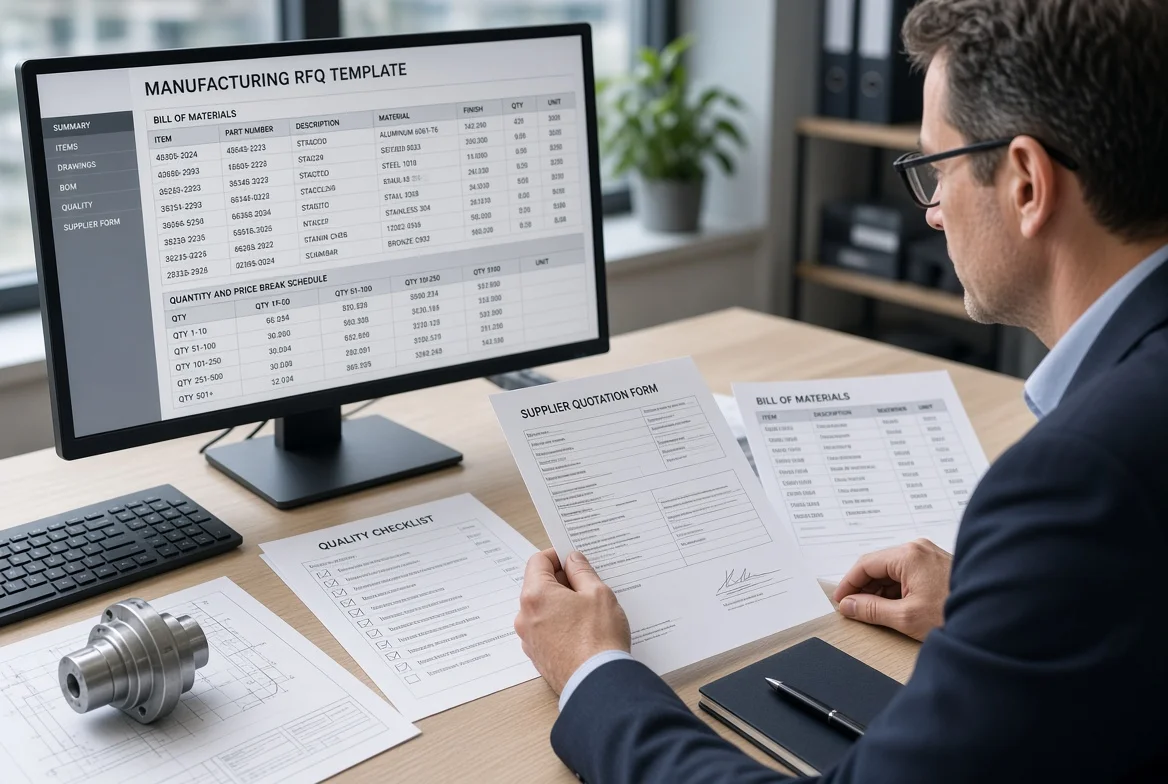
Manufacturing RFQ Template: Essential Information Buyers Should Include
This manufacturing RFQ template helps purchasing managers, sourcing professionals, importers, and product developers request quotes for custom manufacturing, OEM products, industrial components, assemblies, or packaging. It organizes specifications, drawings, quantities, quality, packaging, delivery, and commercial terms so suppliers can return complete, comparable quotations. Copy the structure, adapt it to your process, and mark required versus optional fields before you send it.
Read More
New Supplier Evaluation Checklist Before First Purchase Order
Procurement managers, sourcing specialists, and business buyers can use this new supplier evaluation checklist before placing a first purchase order. The guide covers business verification, technical capability, quality systems, capacity, cost, compliance, and onboarding so teams assess risk with evidence instead of relying on samples and quotes alone.
Read More