
The factory audit process is a structured workflow that takes global buyers from defining clear objectives and scope through on-site verification, report analysis, and corrective follow-up. For importers and procurement teams working with overseas manufacturers, treating the audit as a managed project rather than a one-time factory walk-through is what turns findings into lower risk and better sourcing decisions.
Many buyers still treat a factory audit as simply sending someone to tour the plant and collect a report. That approach often leaves critical gaps: unclear scope wastes budget, unprepared suppliers hide issues, and reports sit unused without driving real change. A professional factory audit process closes those gaps by connecting every stage to the specific risks that matter for your orders.

Step 1 – Define Audit Objectives and Scope
Every effective factory audit starts with a clear answer to two questions: why are we doing this, and what exactly will we examine. Without that foundation, the rest of the process drifts and the budget is spent on information that does not support real sourcing decisions.
Aligning Audit Goals With Sourcing Strategy
Match the audit purpose to your current situation. A first-time supplier for a critical component needs a capability and quality-system review before any large purchase order is placed. Capacity verification before a volume ramp-up focuses on equipment, workforce, and production planning. A quality incident or customer complaint may require a targeted process audit on the affected line. Retailer or brand compliance requirements often demand a dedicated social or ethical audit. Different goals produce different scopes—capability-focused, quality-system-focused, or compliance-focused—and mixing them without priority creates diluted findings.
Deciding What to Include in the Audit Scope
Write the scope in concrete terms. Name the facilities or production lines, the product categories or processes, the standards or checklists to apply, and the risk areas that matter most (quality, capacity, labor compliance, subcontracting, or environmental controls). Examples: “focus on assembly and final inspection for Product X, including incoming material control and in-process checks” or “include labor and safety elements required by our retail customer’s code of conduct.” A tight scope keeps the auditor’s time on the issues that affect your orders and avoids the common trap of a generic walk-through that misses the real risks.
Step 2 – Choose the Right Audit Type and Standard
Not every factory audit follows the same path. The type and the standard you select shape the checklist, the evidence collected, and how useful the results will be when comparing suppliers or deciding order allocation.
Matching Audit Type to Your Sourcing Stage
For a new supplier, a combined capability and quality-system audit usually delivers the most value. When a retailer mandates social compliance, a dedicated compliance audit is required. Pre-production or process audits make sense after samples are approved and before mass production starts. High-risk or multi-site suppliers may need a hybrid approach. Choose the type that matches the risk profile and the decision you need to make—approval, capacity confirmation, or corrective action.
Using Recognized Audit Standards and Checklists
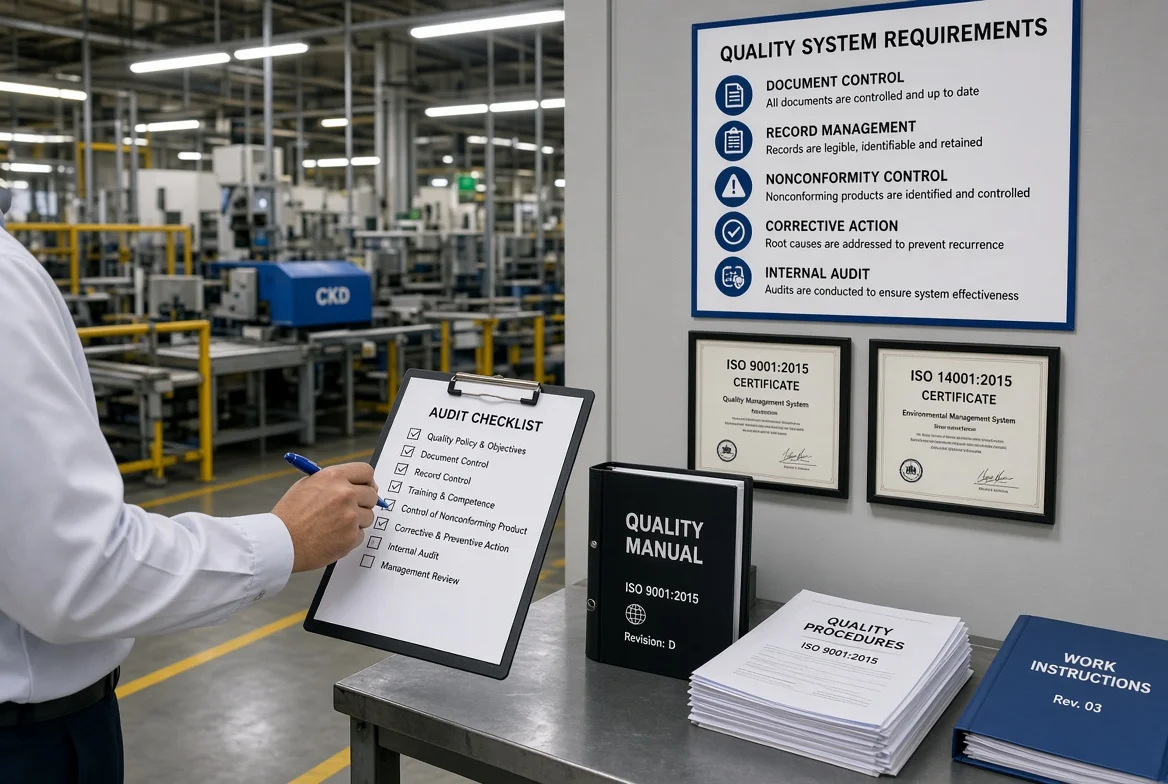
Base the work on recognized frameworks or structured buyer checklists. ISO-based quality audits provide consistency across factories. Industry or retailer-specific compliance frameworks (labor, safety, environmental) allow direct comparison over time. A well-built checklist turns subjective observations into comparable data points. This consistency is especially valuable when you audit several potential suppliers for the same product line.
Step 3 – Select and Brief the Auditor or Audit Provider
Who performs the audit and how thoroughly they are briefed determines whether the findings answer your real questions or simply fill a standard template.
Internal Team vs. Third-Party Audit Providers
Internal procurement or quality staff work well for strategic, high-volume suppliers where deep product knowledge and relationship continuity matter. Third-party audit firms or inspection companies are usually the practical choice for overseas factories, specialized technical audits, or compliance work that requires independence and recognized credentials. Many global buyers use a mix: internal teams for key partners and external providers for new or lower-volume suppliers.
Key Information to Share Before the Audit
Give the auditor product specifications, critical quality requirements, known risk areas from past issues or sample failures, specific questions that must be answered, and any customer or retailer mandates. Share previous inspection or audit results if available. A well-briefed auditor arrives with a focused agenda instead of a generic checklist and is far more likely to surface the risks that actually affect your production and delivery.
Step 4 – Pre-Audit Preparation With the Supplier
Preparation with the factory is one of the most frequently skipped steps, yet it has a direct impact on what the auditor can verify during the limited on-site time.
Communicating Audit Purpose and Expectations
Tell the factory the purpose, the scope, the agenda, and the expected duration in advance. Confirm dates, key contacts on both sides, the documents that must be available, and which areas of the plant will be visited. Clear communication reduces last-minute surprises and sets a professional tone that encourages cooperation rather than defensiveness.
Requesting Documents and Data Ahead of Time
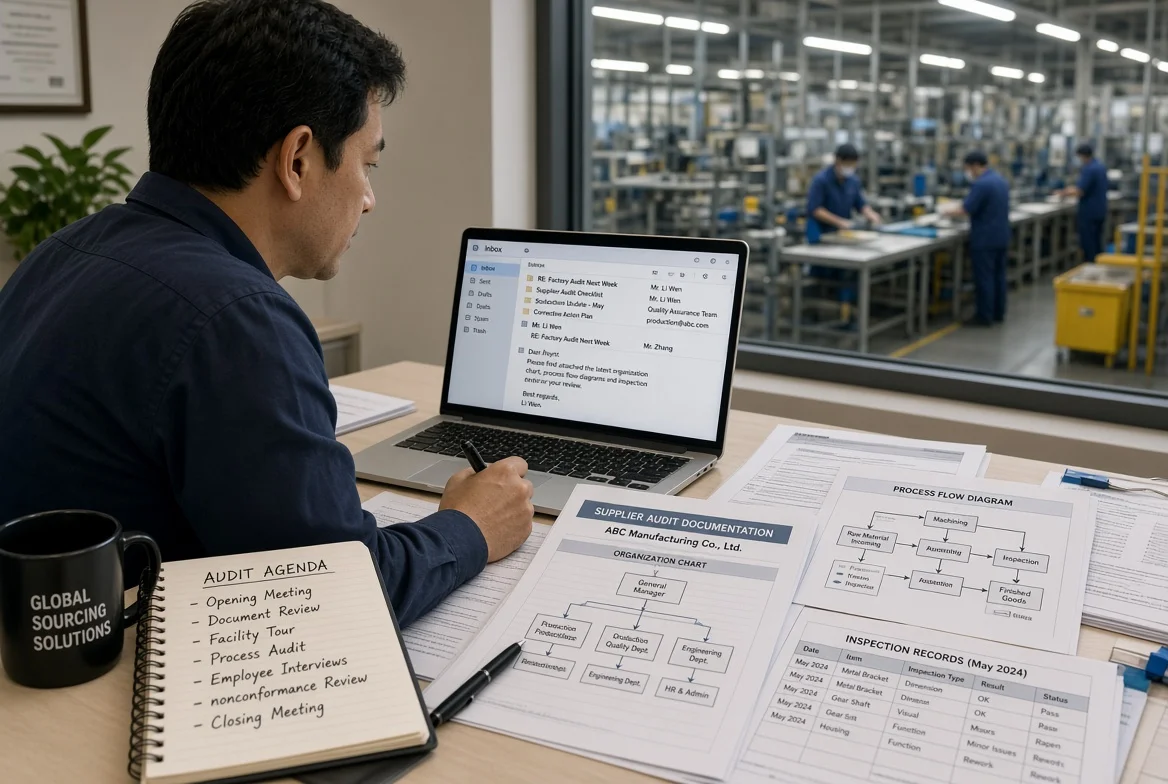
Ask for the organization chart, key process flow diagrams, recent inspection and calibration records, training records, and any relevant compliance certificates before the visit. Reviewing these materials in advance lets the auditor spend on-site time verifying practice against documentation instead of collecting basic data. It also flags inconsistencies early so deeper checks can be planned.
Step 5 – On-Site Audit Execution: What Actually Happens
The on-site day is the core of the factory audit process. A well-run visit follows a predictable sequence that balances document review, floor observation, and structured interviews.
Opening Meeting and Factory Overview
The opening meeting sets the tone. Introductions are made, the agreed scope and agenda are confirmed, and the factory presents a brief overview of organization, main products, and key customers. Both sides leave the meeting with the same understanding of what will and will not be covered.
Document Review and Records Verification
Auditors examine quality procedures, work instructions, inspection logs, training records, maintenance logs, and compliance documents. The goal is to test consistency between what is written and what is actually practiced. Gaps, outdated documents, or records that appear prepared only for the audit become early indicators of system weakness.
Shop Floor Walk-Through and Process Observation
The walk-through follows the production flow from incoming materials through finished goods. Auditors observe operations, ask operators direct questions, check equipment condition and maintenance status, and note housekeeping, safety practices, and any visible rework or scrap. Red flags such as cluttered workstations, unsafe practices, or obvious process deviations are recorded with photographs where appropriate.
Interviews With Management and Operators
Structured interviews with managers and line operators reveal how work is actually performed, how problems are escalated, and whether operators feel empowered to stop production for quality issues. These conversations often surface practices that documents alone never show.
Closing Meeting and Initial Feedback
The closing meeting summarizes major findings, highlights critical nonconformances, and clarifies next steps—report timeline and corrective-action expectations. It is not the final verdict, but it gives the factory immediate visibility into the issues that will appear in the formal report.
Step 6 – Audit Report Review and Risk Assessment
The report is a decision tool, not an end in itself. How the buyer reads and acts on the findings determines whether the audit reduces risk or simply generates paperwork.
Understanding Audit Findings and Grading Systems
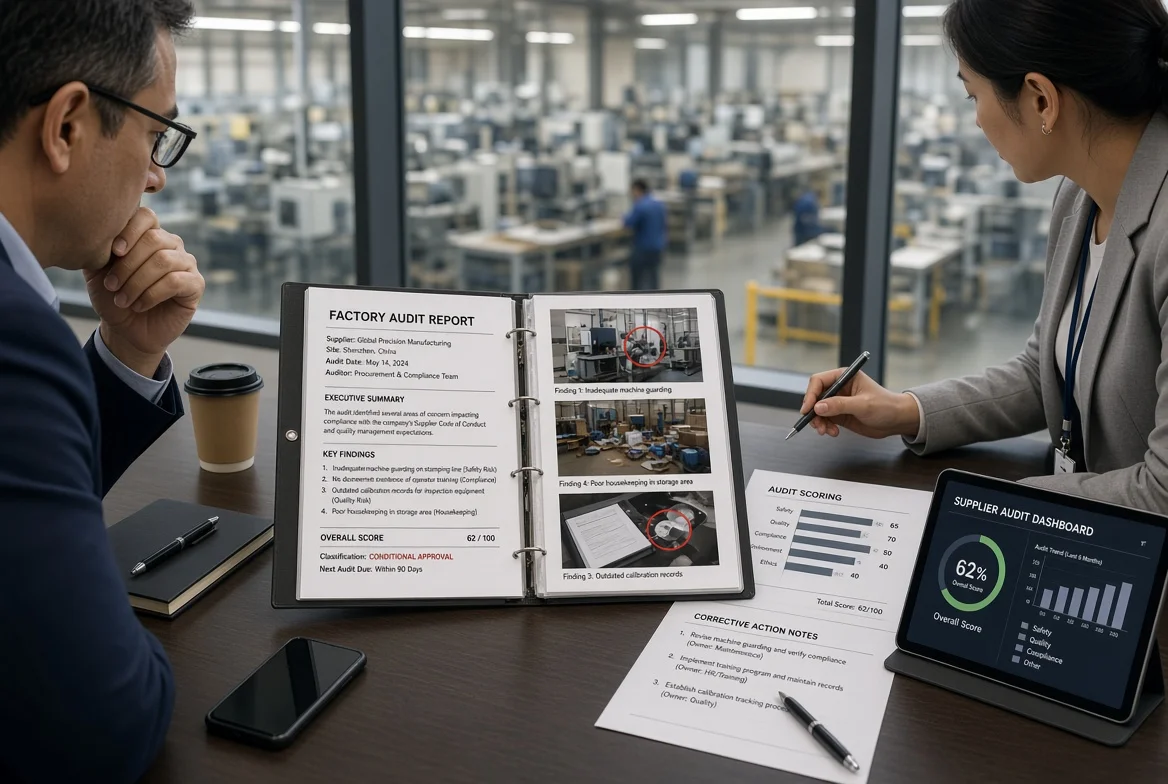
Most reports contain an executive summary, findings organized by category, nonconformances with supporting evidence or photographs, and often a scoring or grading system. Distinguish clearly between minor observations, major nonconformances, and critical issues that block approval. Understand what each grade means for your risk tolerance and order volume.
Turning Findings Into Sourcing Decisions
Link every significant finding to a concrete action: approve with conditions, require corrective actions before the first order, reduce order size, request a follow-up audit, or walk away. Map findings to specific risks—product quality, capacity shortfalls, compliance exposure, or continuity of supply—so the decision is grounded in business impact rather than a single score.
Step 7 – Corrective Actions, Follow-Up, and Re-Audits
The value of the factory audit process is realized only when issues are fixed and the improvements are verified. Many buyers stop at the report; professional teams close the loop.
Setting Clear Corrective Action Requirements
Specify each required action with a clear description, a responsible person at the factory, a realistic deadline, and the evidence that will be accepted (updated procedures, photographs, revised records, or training logs). Vague requests such as “please improve housekeeping” rarely produce lasting change.
Monitoring Implementation and Verifying Effectiveness
Review the evidence submitted. Request additional data when the response is incomplete. For critical issues, schedule a follow-up visit or remote verification. This stage is where many programs fail—stopping after the report instead of driving and confirming real improvement.
Integrating Audit Results Into Ongoing Supplier Management
Feed the audit outcomes into supplier risk ratings, order allocation decisions, contract terms, and the schedule for periodic re-audits. Treat the audit as one element in a continuous improvement cycle rather than a one-off event. Over time this builds a clearer picture of which suppliers consistently manage risk and which require closer oversight.
Key Takeaways for Global Buyers
A professional factory audit process is a managed, seven-step workflow—from defining objectives and scope through on-site execution, report review, and verified corrective action. Each step directly affects how much risk the buyer actually removes from the supply chain. Use this structure as a standard template for overseas suppliers so that every audit delivers clear decisions instead of unused reports. When the process is followed consistently, audits become a reliable tool for protecting quality, capacity, and compliance rather than a recurring cost with uncertain return.