

Factory Audit Process Explained: A Step-by-Step Guide for Global Buyers
This step-by-step guide walks importers, procurement teams, and B2B buyers through the full factory audit process. It solves the common problem of unclear audit workflows by detailing each stage—from objectives and scoping to on-site work, reporting, and verified corrective actions—so readers can apply a clear, repeatable process to their overseas suppliers.
Read More
How to Build an Effective Supplier Sourcing Strategy for Your Business
Procurement teams, business owners, operations leaders, and sourcing managers learn how to build a repeatable supplier sourcing strategy that links supplier decisions to business goals. The guide covers category analysis, risk segmentation, sourcing models, total cost evaluation, and performance management so companies stop treating every purchase as an isolated transaction.
Read More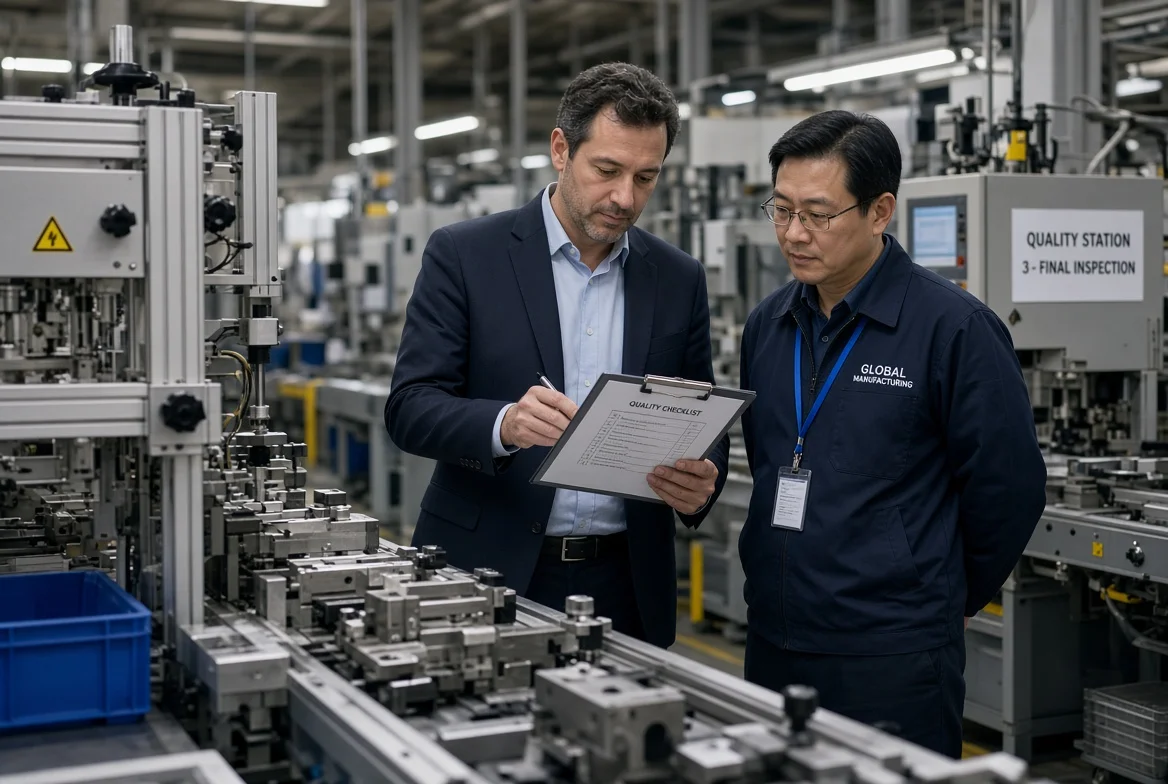
Factory Evaluation Checklist for International Buyers
An international buyer's factory evaluation checklist is a document of factors that they employ to evaluate whether a factory will be able to deliver the products they require, whether they will be of quality, whether they will be able to provide the quantity of products they need, whether the product will comply with
Read More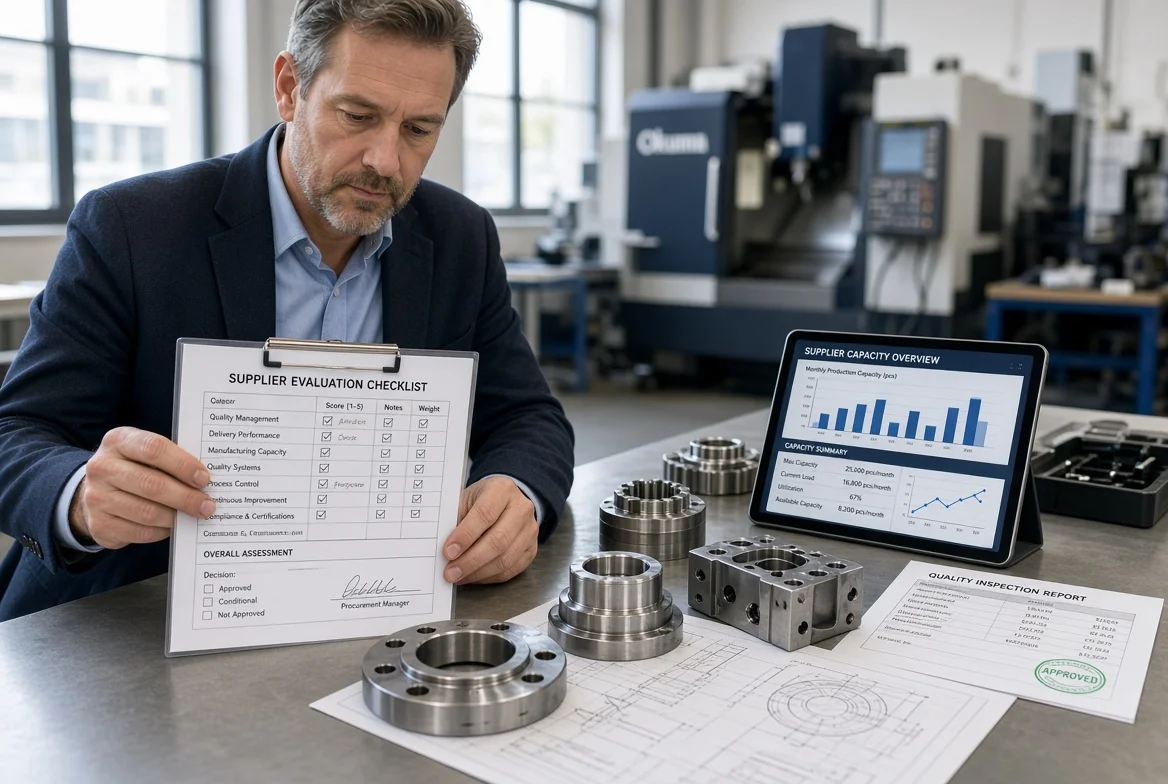
Supplier Evaluation Criteria: 10 Factors Every Buyer Should Check
Procurement teams, importers, product businesses, and sourcing managers get a clear, risk-based framework of 10 practical supplier evaluation criteria. The guide shows how to assess technical capability, quality systems, capacity, commercial terms, samples, communication, compliance, financial stability, references, and strategic fit so buyers can avoid common sourcing failures and make better purchase decisions.
Read More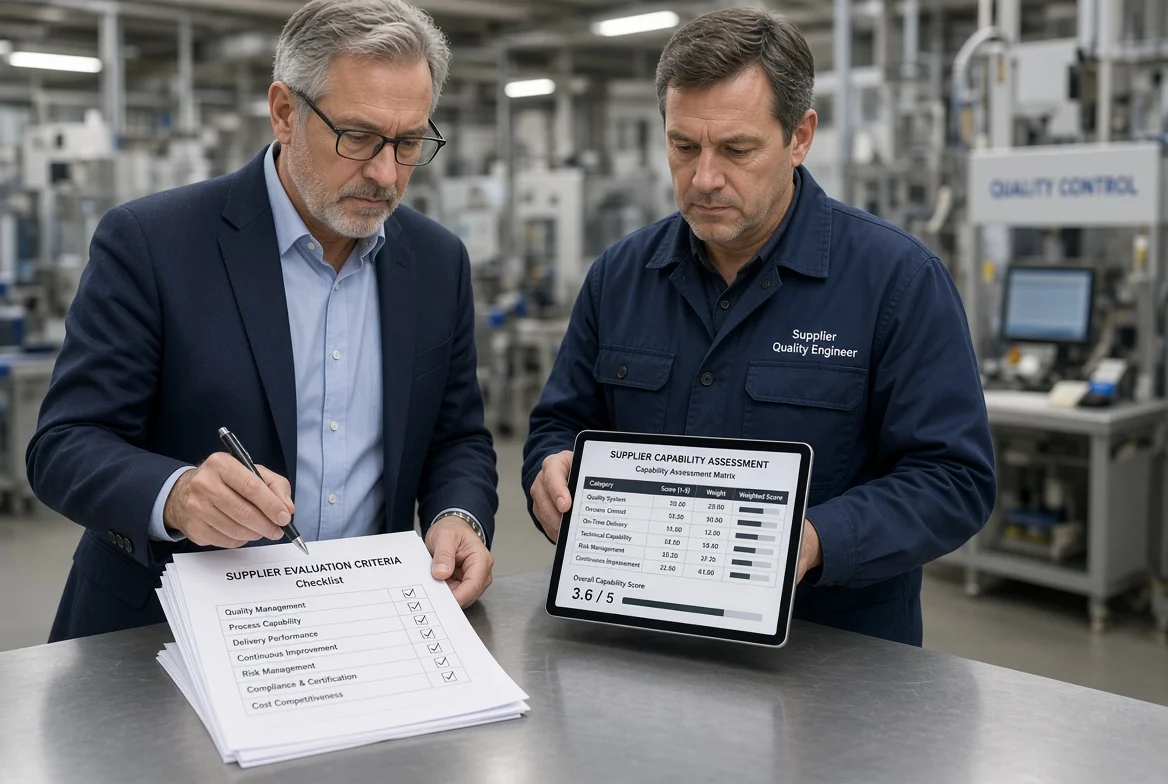
Supplier Evaluation Criteria Checklist for Manufacturing Buyers
Procurement managers and manufacturing buyers receive a structured supplier evaluation criteria checklist focused on technical capability, quality systems, capacity, delivery performance, cost structure, compliance, risk, and partnership factors. The guide shows how to verify equipment, process controls, and real capacity before approving manufacturing suppliers and committing production volume.
Read More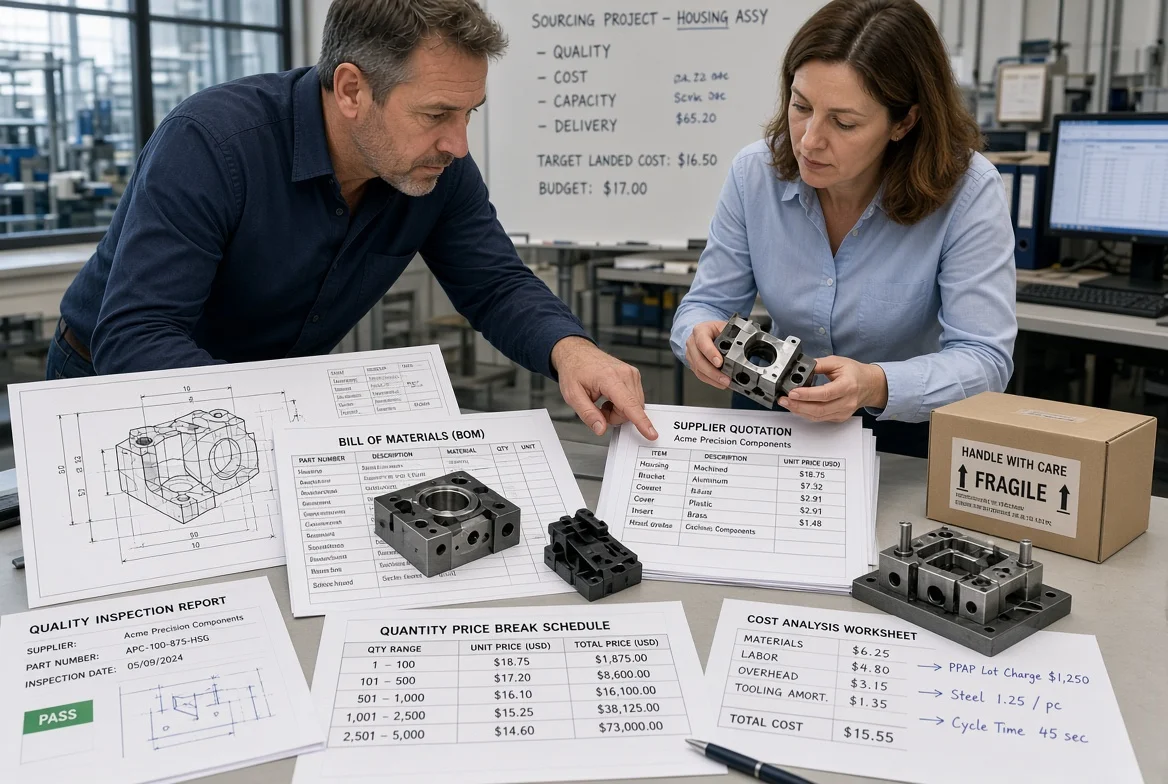
Manufacturing Quote Analysis: Key Cost Factors Buyers Should Review
This guide helps procurement teams, sourcing professionals, purchasing managers, importers, and business buyers review manufacturing quotations. It shows how to identify the cost drivers behind a supplier quote, confirm scope and assumptions, separate one-time charges from recurring unit cost, and ask better supplier questions before placing an order.
Read More
Why Procurement Strategy Matters for Business Growth
This guide is for business owners, procurement managers, operations leaders, sourcing teams, and manufacturing buyers who need purchasing to keep pace with expansion. It explains how growth exposes supplier-capacity, quality, inventory, and cash-flow weaknesses, and how a practical procurement strategy helps you secure supply, protect margins, and scale without turning extra demand into operational strain.
Read More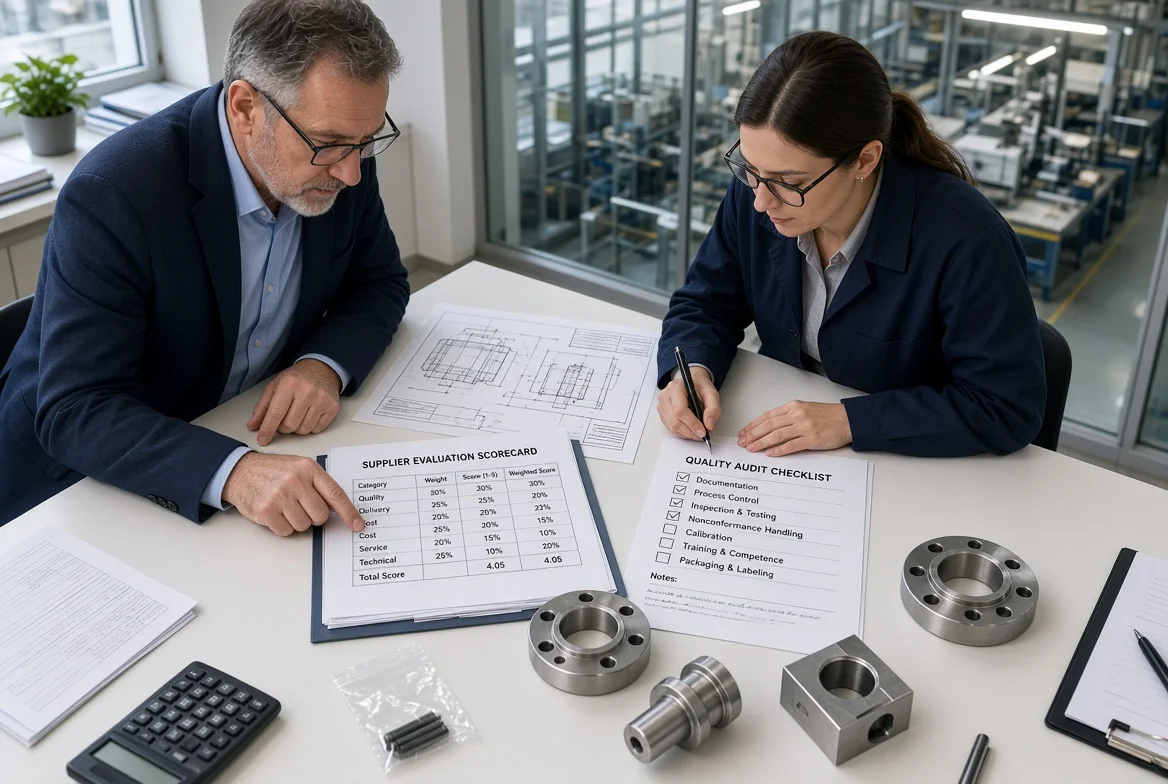
Supplier Evaluation vs Supplier Selection: Understanding the Difference
Supplier evaluation is not the same as supplier qualification. Assessment is the gathering of data to gain insight of capability and risk. Approval is the minimum standard of qualification and determines whether a supplier should be able to do business. Both processes are utilized explicitly by professional buyers: eva
Read More
Manufacturing Supplier Evaluation Checklist for OEM Buyers
This guide gives procurement managers, sourcing specialists, and OEM buyers a practical manufacturing supplier evaluation checklist. It shows how to assess technical capability, quality systems, capacity, delivery, compliance, and risk before choosing OEM manufacturing partners, so sourcing decisions rest on evidence rather than price or samples alone.
Read More
RFQ vs RFP vs RFI: Understanding Different Procurement Request Methods
This guide helps purchasing managers, sourcing professionals, importers, product developers, and business buyers choose the right way to approach suppliers. It compares RFI, RFP, and RFQ by purpose, timing, supplier response, evaluation criteria, and manufacturing use cases, so buyers request information, proposals, or prices only when the scope is ready.
Read More
Procurement Planning for Manufacturing: How to Avoid Production Delays
This guide helps manufacturing procurement managers, production planners, operations leaders, sourcing teams, and plant managers prevent production delays caused by material shortages, late suppliers, and planning gaps. It covers BOM and MRP accuracy, lead-time validation, supplier capacity, quality approval, inventory, logistics, and step-by-step procurement planning to keep materials ready when production needs them.
Read More
How to Find Overseas Suppliers for International Manufacturing
Importers, product businesses, procurement teams, and sourcing managers learn a structured method to find overseas suppliers for international manufacturing. The guide covers requirement definition, multi-channel search, screening, capability verification, quotation comparison, samples, trial orders, and ongoing risk management so buyers reduce quality and delivery surprises.
Read More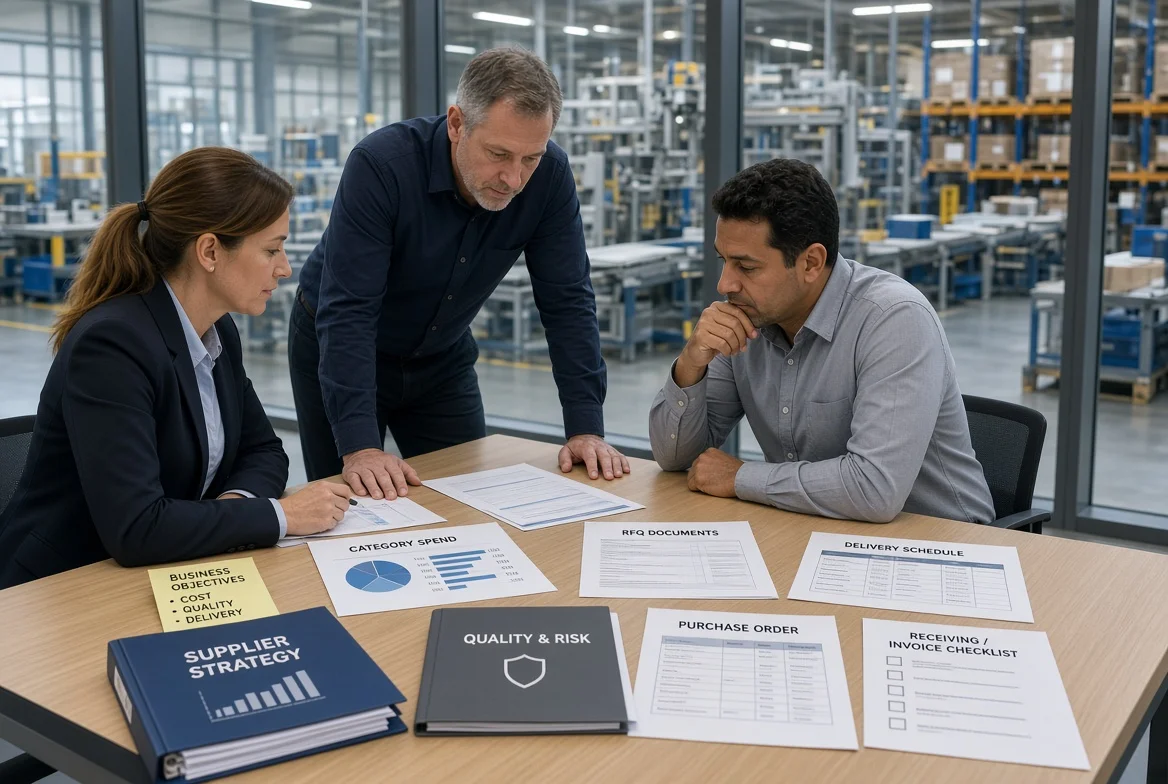
Procurement Strategy vs Procurement Process: Understanding the Difference
This guide is for business owners, procurement managers, sourcing teams, operations leaders, and manufacturing buyers who confuse strategy with process. It explains the difference between long-term purchasing direction and day-to-day execution, and shows how both layers should work together so RFQs, approvals, and purchase orders support cost, quality, and supply risk.
Read More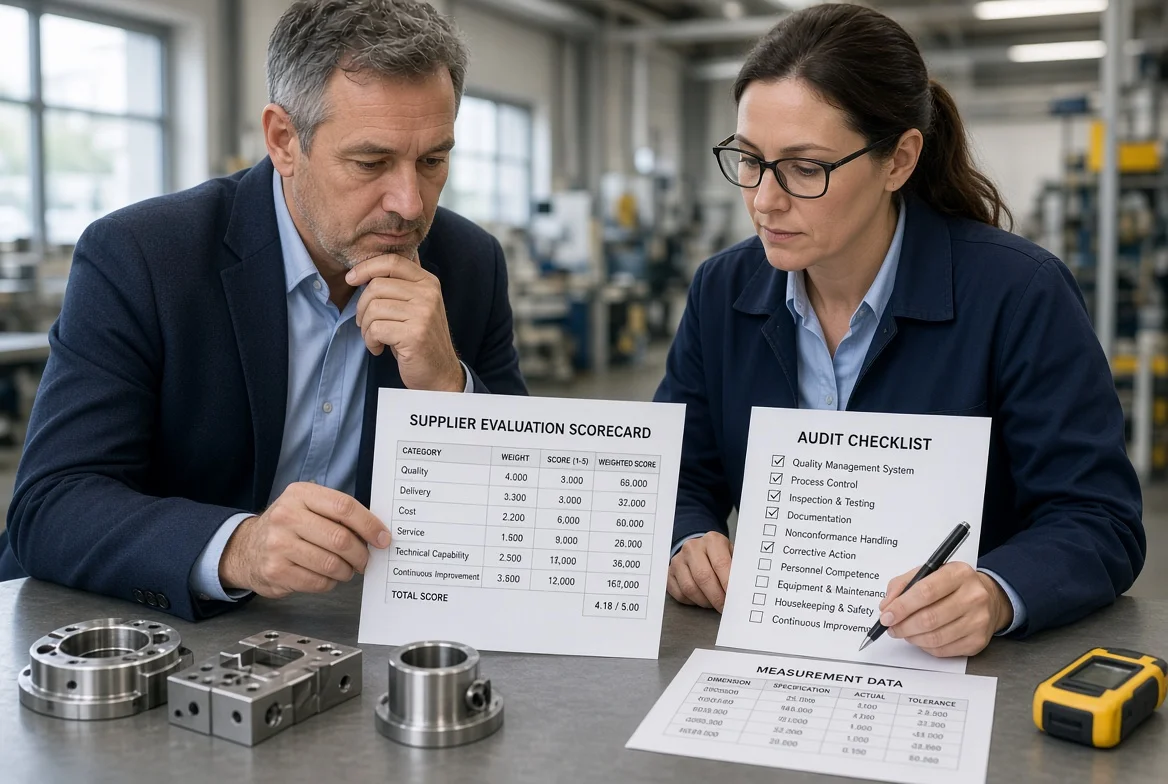
Step-by-Step Supplier Evaluation Procedure for Professional Buyers
This guide gives procurement managers, sourcing specialists and professional buyers a clear, repeatable supplier evaluation procedure. It walks through seven practical steps—from defining requirements and screening candidates to technical assessment, capacity review, risk checks and final approval—so teams can evaluate capability, quality, delivery and commercial fit before placing significant orders.
Read More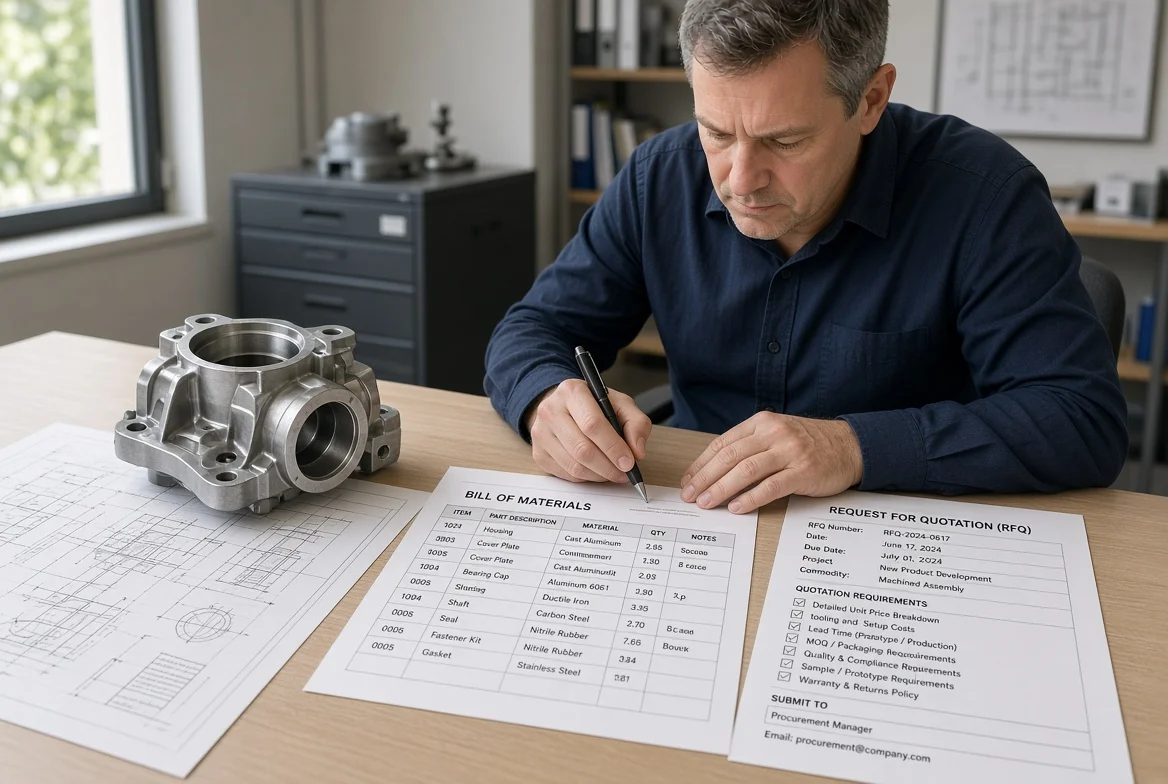
How to Create an RFQ for Manufacturers: A Complete Guide for Buyers
This guide is for buyers sourcing custom products, OEM goods, industrial components, assemblies, or manufacturing services. It shows how to prepare a quote-ready RFQ covering specifications, quantity, quality, packaging, delivery, tooling, and commercial terms so manufacturers quote the same scope and buyers can compare offers without hidden assumptions.
Read More
Procurement Strategy Framework: Key Components Every Business Should Know
This guide explains a procurement strategy framework for procurement managers, sourcing teams, business owners, and manufacturing buyers. It shows how to organize business goals, spend categories, supplier selection, sourcing methods, commercial terms, quality, risk, and performance into one structure. The framework helps teams move from reactive buying to coordinated purchasing decisions.
Read More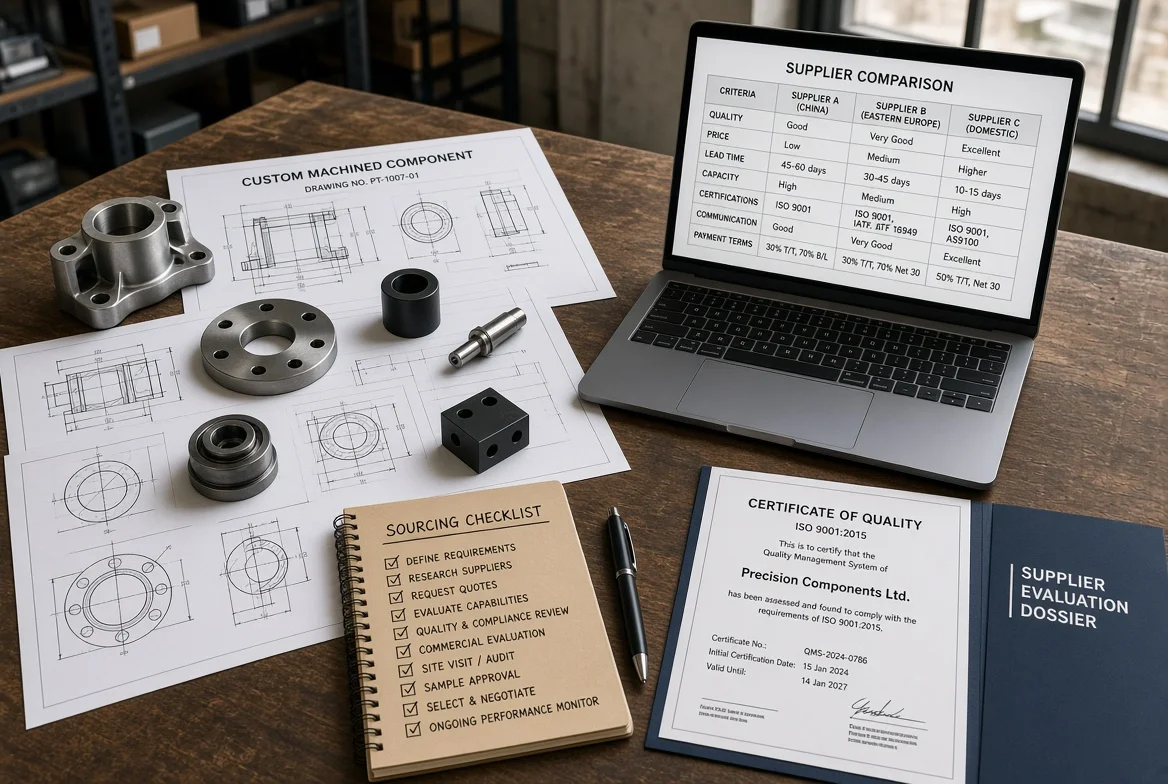
What Is Supplier Sourcing? A Complete Guide for B2B Buyers
Procurement managers, importers, and product teams get a clear, practical explanation of supplier sourcing—from defining requirements and finding suppliers to evaluation, selection, and ongoing performance management. This guide helps B2B buyers move beyond price-only decisions and build more reliable supply relationships.
Read More
Unit Price vs Total Cost: How to Evaluate Supplier Offers Correctly
This guide helps procurement teams, purchasing managers, importers, product developers, and business buyers evaluate supplier offers beyond invoice price. It shows how to compare unit price with landed cost and total cost, covering tooling, freight, duties, inventory, quality, payment terms, delivery, failure exposure, and supplier risk so the lowest quoted price is not mistaken for the lowest-cost outcome.
Read More
Procurement Strategy for Manufacturing Companies: A Complete Guide
This guide is for manufacturing procurement managers, sourcing teams, operations leaders, OEM buyers, and industrial supply-chain professionals. It explains how to build a manufacturing procurement strategy around direct materials, BOM cost, supplier qualification, capacity, incoming quality, lead time, and risk so purchasing decisions support production instead of disrupting it.
Read More
Tooling Costs, Setup Fees, and Hidden Charges in Supplier Quotes
Procurement teams, purchasing managers, importers, and product developers should review custom manufacturing quotes for tooling ownership, setup fees, molds, fixtures, engineering, sample trials, maintenance, testing, packaging, MOQ, and amortization. This guide explains how those charges appear, what they often exclude, and which supplier questions to settle before you approve a one-time or hidden cost.
Read More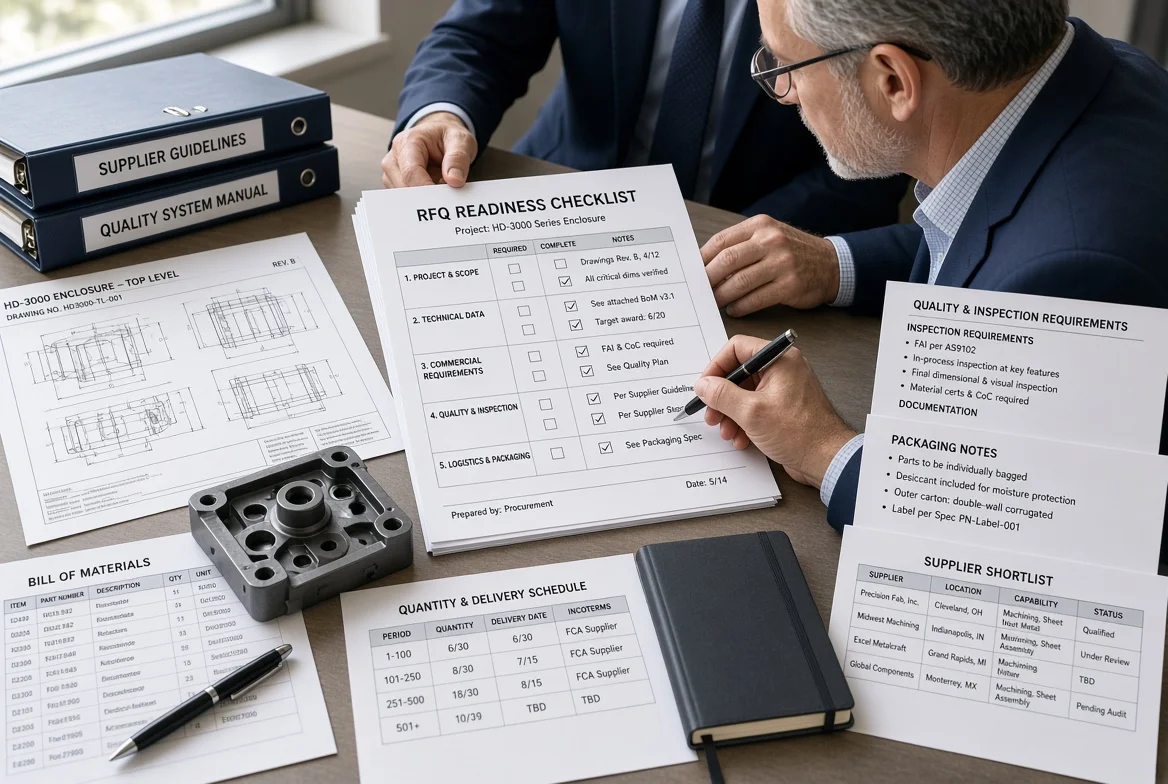
RFQ Checklist for Buyers: What to Prepare Before Contacting Suppliers
This RFQ checklist helps purchasing managers, sourcing teams, importers, and product developers prepare before contacting manufacturers. It covers product scope, drawings, quantities, quality, delivery, commercial terms, supplier qualification, and internal approval so requests produce comparable quotations instead of guesswork.
Read More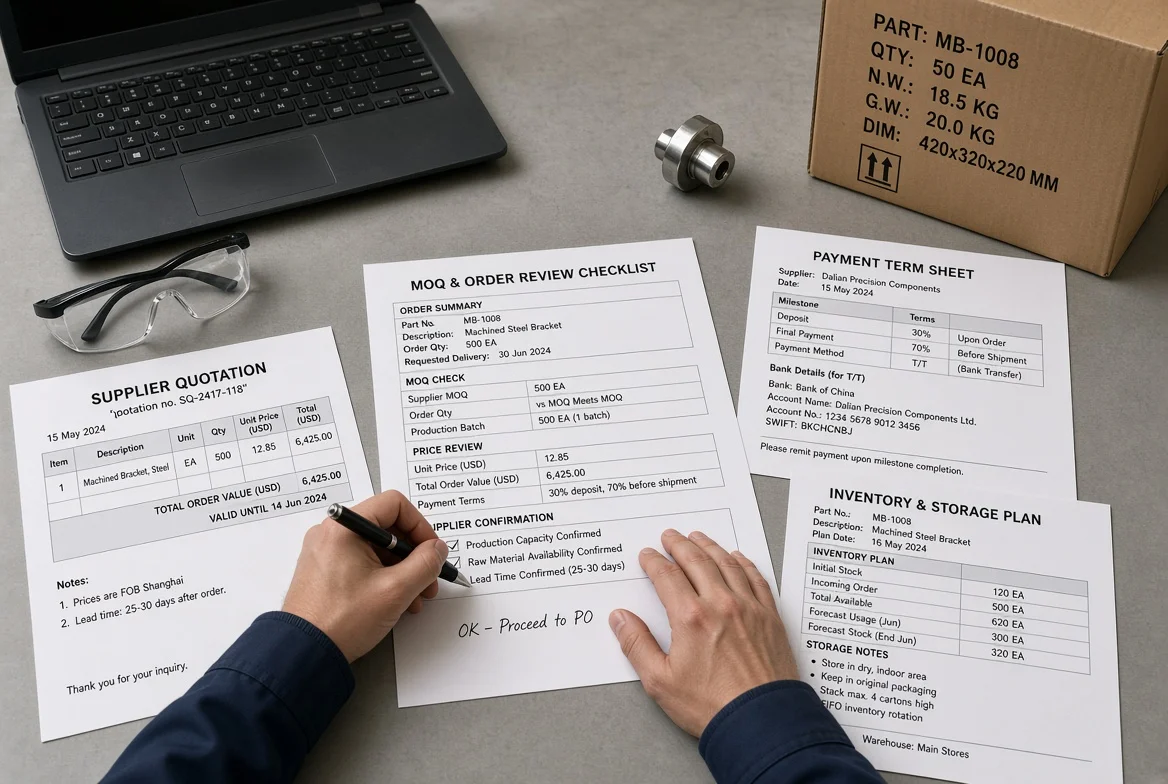
How MOQ Affects Supplier Pricing and Manufacturing Quotations
This guide is for procurement teams, purchasing managers, importers, product developers, and business buyers evaluating supplier MOQs. It explains why suppliers set minimums, how quantity changes unit pricing and quotations, how MOQ differs from price breaks, and how inventory and cash-flow exposure can offset a lower unit price. It also covers practical ways to negotiate or manage MOQ.
Read More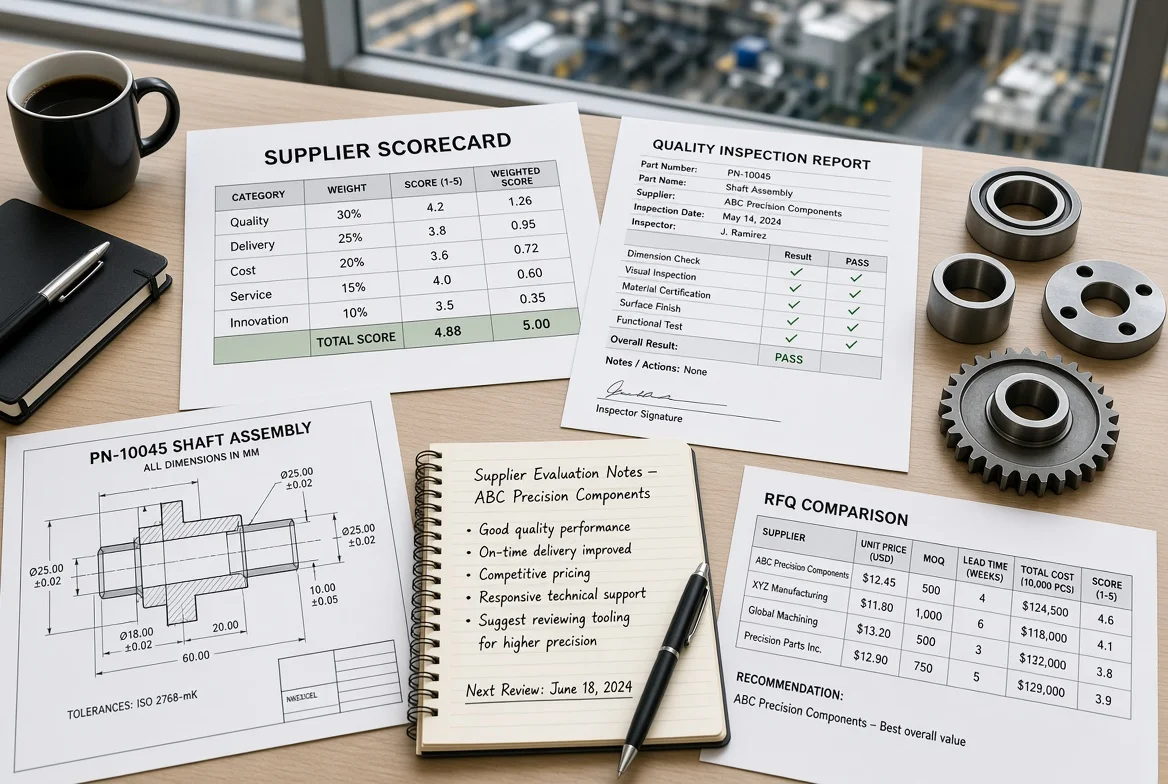
Supplier Evaluation Explained: Why It Matters in Modern Procurement
This practical guide for procurement managers, sourcing specialists, quality teams, importers, and B2B buyers explains why supplier evaluation matters in modern procurement. It shows how structured evaluation prevents quality failures, delivery disruptions, hidden costs, and long-term supply risk before they become expensive operational problems.
Read More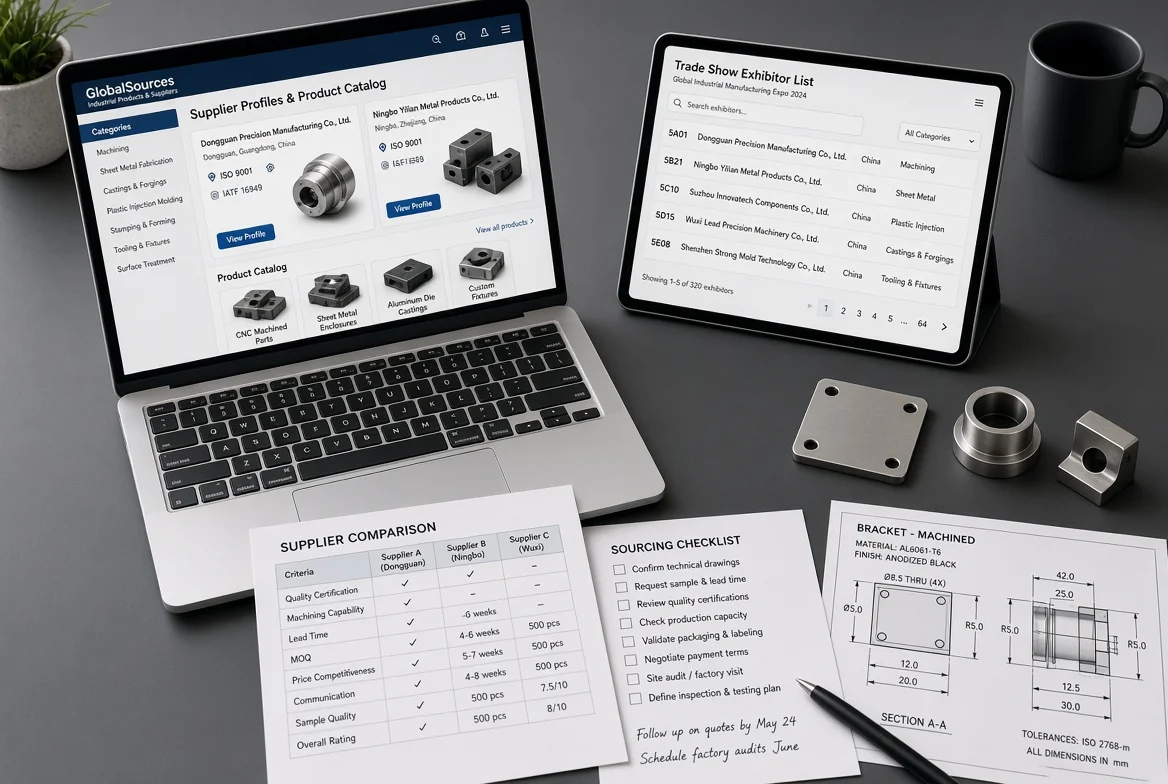
Supplier Search Methods: Online Platforms, Trade Shows, and Sourcing Networks
This guide helps product businesses, importers, procurement teams, and sourcing managers choose and combine the right supplier search methods. It covers online platforms, trade shows, and professional networks so buyers can generate a relevant longlist of manufacturers and suppliers before moving into screening and verification.
Read More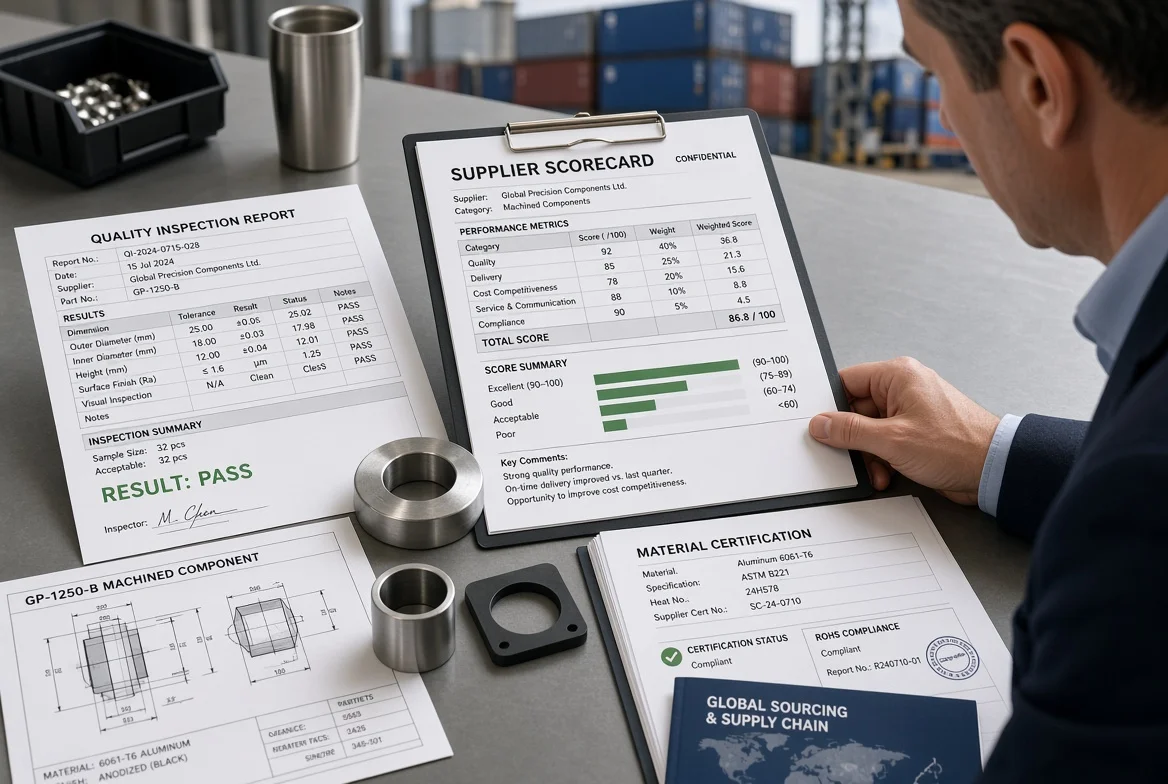
Why Supplier Evaluation Is Critical for Global Sourcing Success
This practical guide is for procurement managers, sourcing specialists, and importers who work with overseas suppliers. It explains why supplier evaluation is critical in global sourcing and shows how structured assessment prevents quality failures, delivery disruptions, compliance issues, and supply-chain risks before they become expensive operational problems.
Read More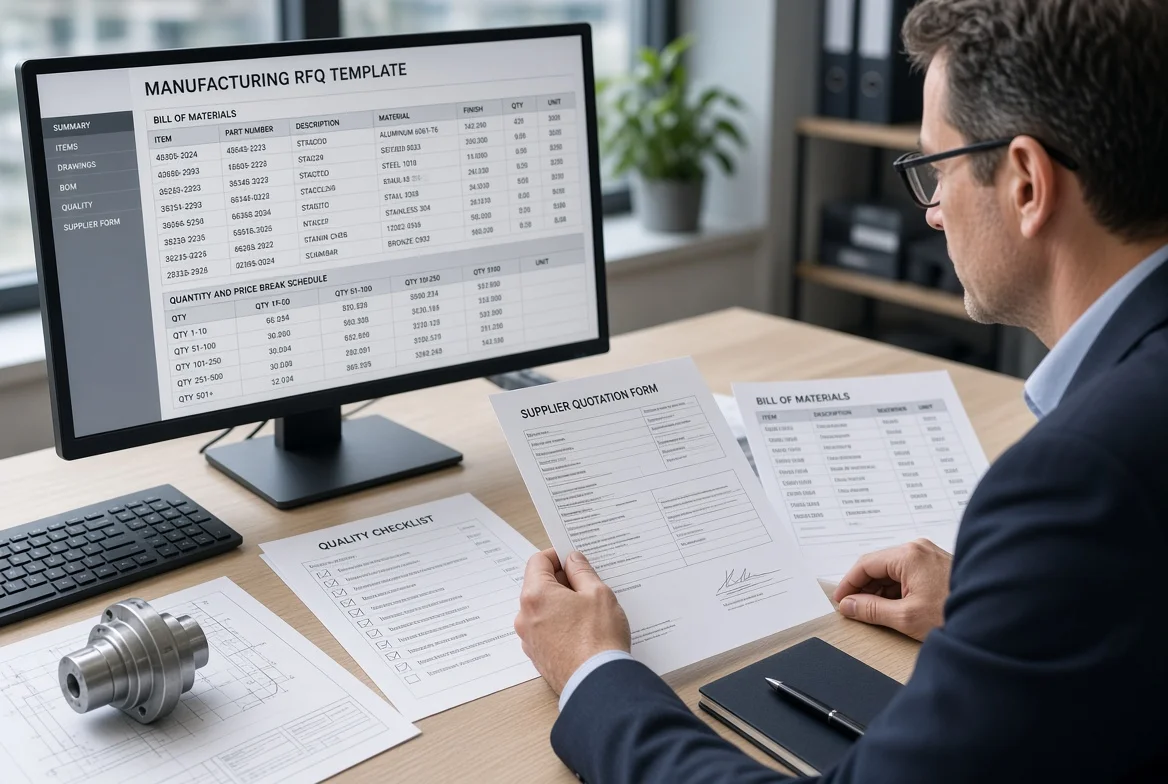
Manufacturing RFQ Template: Essential Information Buyers Should Include
This manufacturing RFQ template helps purchasing managers, sourcing professionals, importers, and product developers request quotes for custom manufacturing, OEM products, industrial components, assemblies, or packaging. It organizes specifications, drawings, quantities, quality, packaging, delivery, and commercial terms so suppliers can return complete, comparable quotations. Copy the structure, adapt it to your process, and mark required versus optional fields before you send it.
Read More
New Supplier Evaluation Checklist Before First Purchase Order
Procurement managers, sourcing specialists, and business buyers can use this new supplier evaluation checklist before placing a first purchase order. The guide covers business verification, technical capability, quality systems, capacity, cost, compliance, and onboarding so teams assess risk with evidence instead of relying on samples and quotes alone.
Read More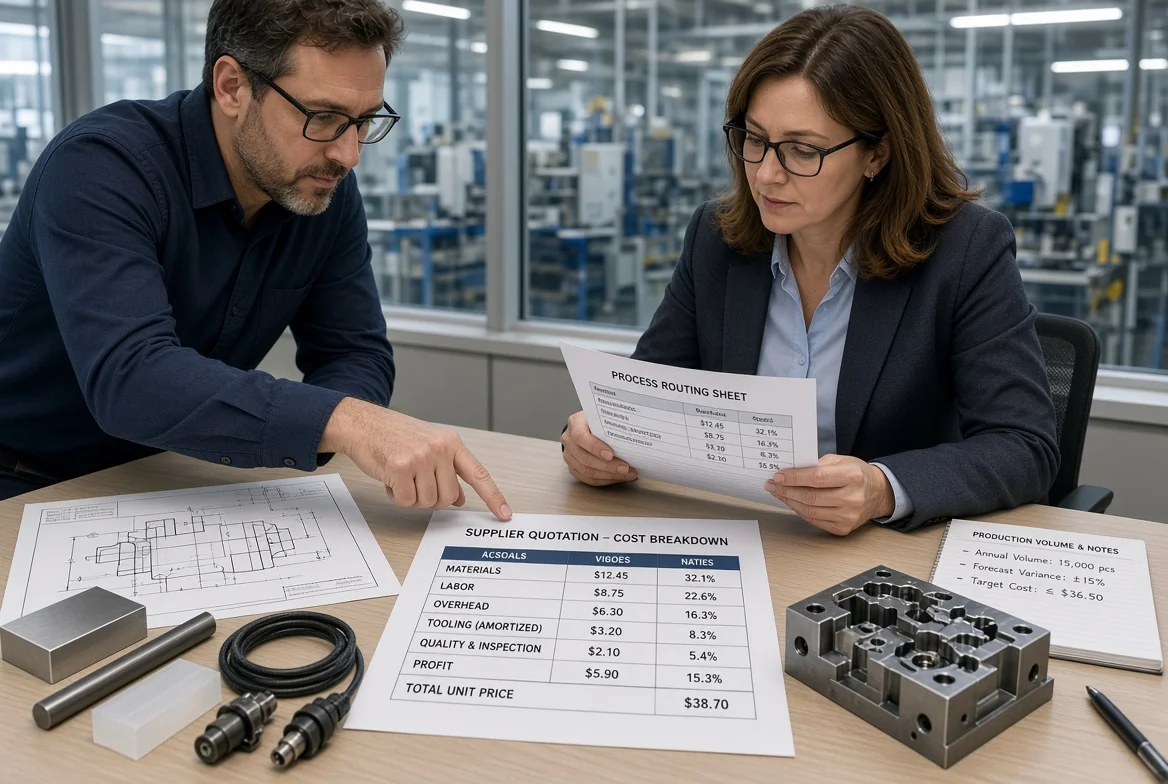
Manufacturing Cost Breakdown: Labor, Materials, Overhead, and Profit Margins
This guide helps procurement teams, purchasing managers, sourcing professionals, importers, and business buyers read manufacturing quotes with more discipline. It explains how materials, labor, machine time, overhead, tooling, quality, scrap, volume, supplier expenses, and profit margins come together, and how to use that structure without treating every factory figure as an audited cost.
Read More
How Manufacturers Balance Cost, Quality, and Delivery in Procurement Decisions
A practical guide for manufacturing procurement managers, sourcing teams, plant managers, operations leaders, and OEM buyers on balancing cost, quality, and delivery. It explains how to set quality and lead-time gates, compare total cost among capable suppliers, and protect production continuity without treating lowest price as the only decision.
Read More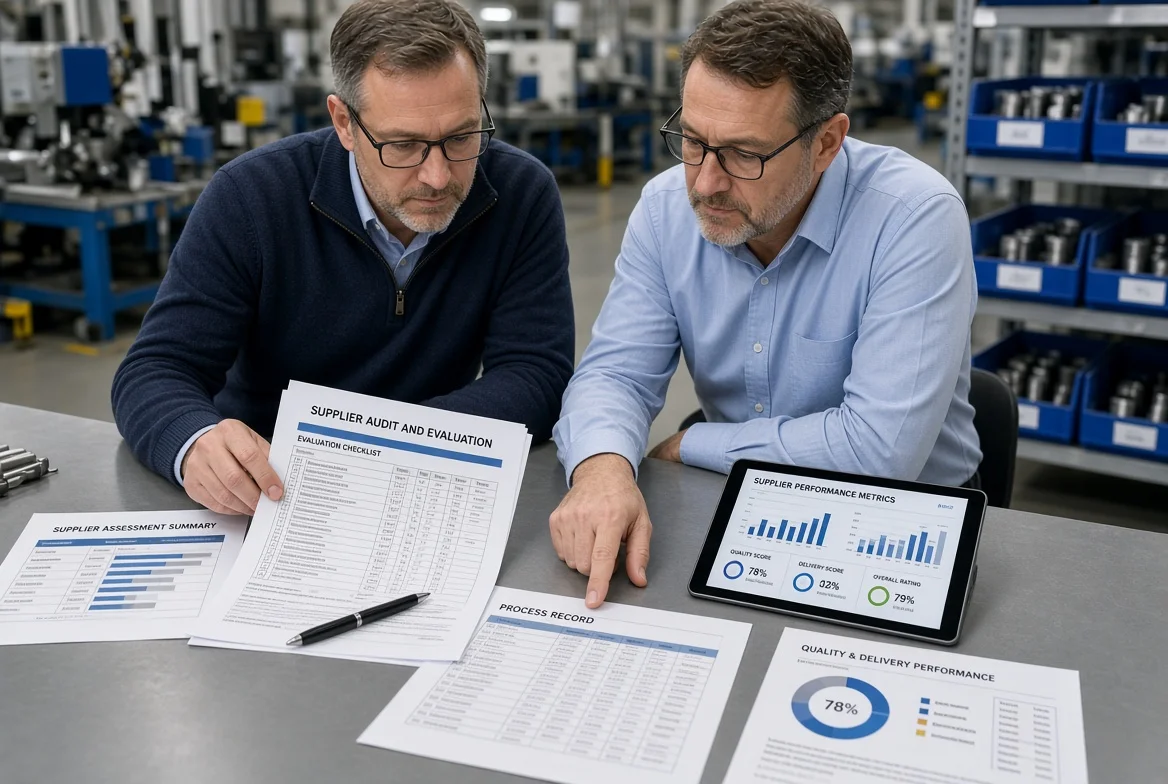
Supplier Audit vs Supplier Evaluation: Understanding the Difference
Procurement teams, sourcing managers, and importers learn the practical difference between supplier audit and supplier evaluation. This guide shows when a broader evaluation is enough and when a formal audit is required to control sourcing risk effectively across product categories and supplier criticality levels.
Read More
How Procurement Teams Reduce Supplier Costs Without Sacrificing Quality
This guide helps procurement managers, buyers, manufacturing teams, sourcing professionals, and business owners reduce supplier costs without weakening quality, delivery, or supply continuity. It explains how specification clarity, spend analysis, should-cost work, supplier productivity, value engineering, MOQ and commercial terms, quality-cost control, and logistics planning lower commercial and total cost while protecting supplier capability and long-term relationships.
Read More
How to Compare Manufacturing Quotes from Different Suppliers
A practical guide for procurement teams, purchasing managers, importers, product developers, and business buyers who need to compare manufacturing quotes from different suppliers. It shows how to level technical scope, MOQ, tooling, quality, lead time, delivery terms, hidden costs, and supplier risk so the comparison is like-for-like, not a simple sort of unit prices.
Read More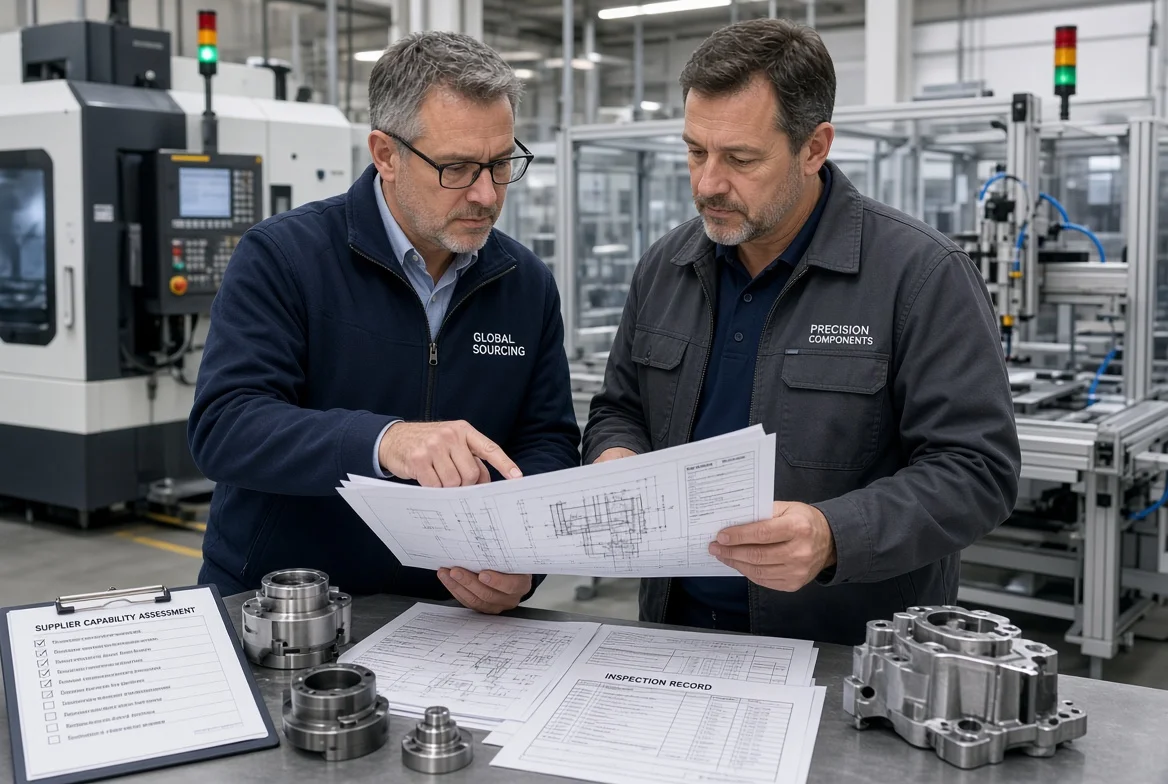
How to Assess Supplier Manufacturing Capabilities Before Cooperation
Product businesses, importers, procurement teams and sourcing managers learn how to assess supplier manufacturing capabilities before cooperation. The guide shows a structured, risk-based approach to checking equipment, processes, quality systems, capacity and technical fit so buyers avoid capability mismatches and production problems.
Read More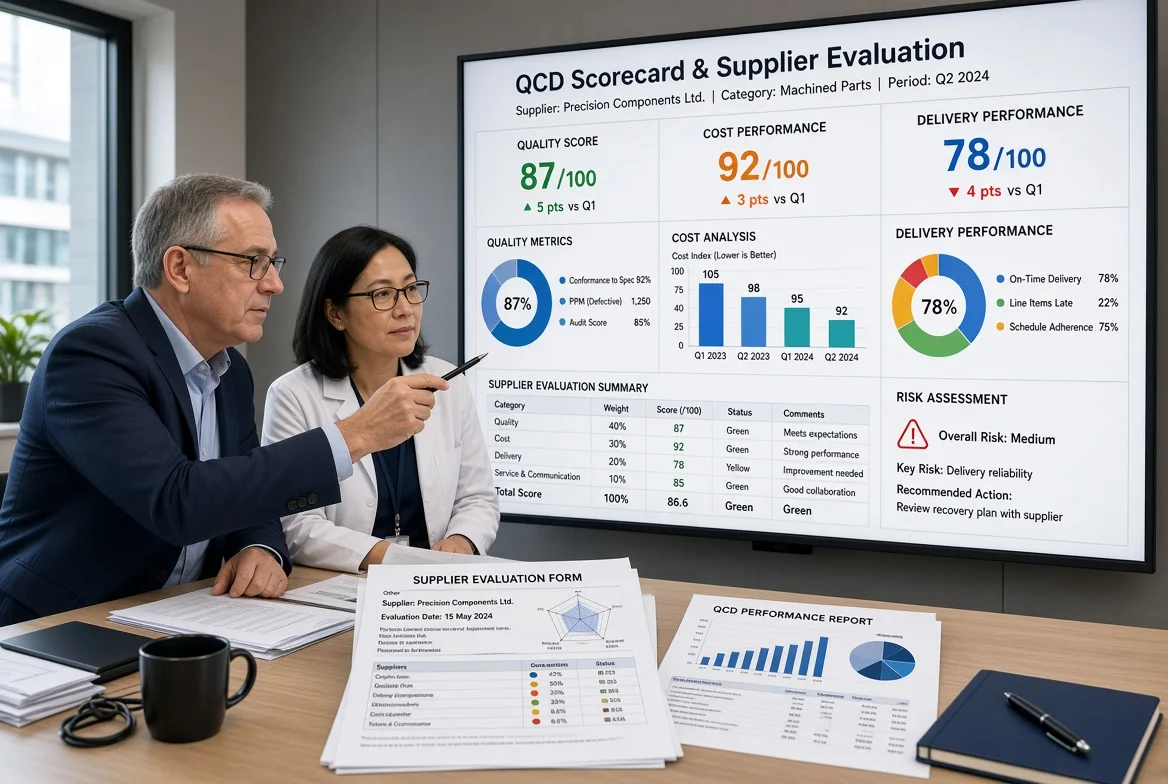
# Quality, Cost, Delivery: The Most Important Supplier Evaluation Factors
Quality, cost, and delivery form the core of supplier evaluation for procurement managers and sourcing teams. This guide explains how to assess each factor, calculate true total cost, evaluate delivery reliability, and balance trade-offs so you select suppliers that perform—not just quote the lowest price.
Read More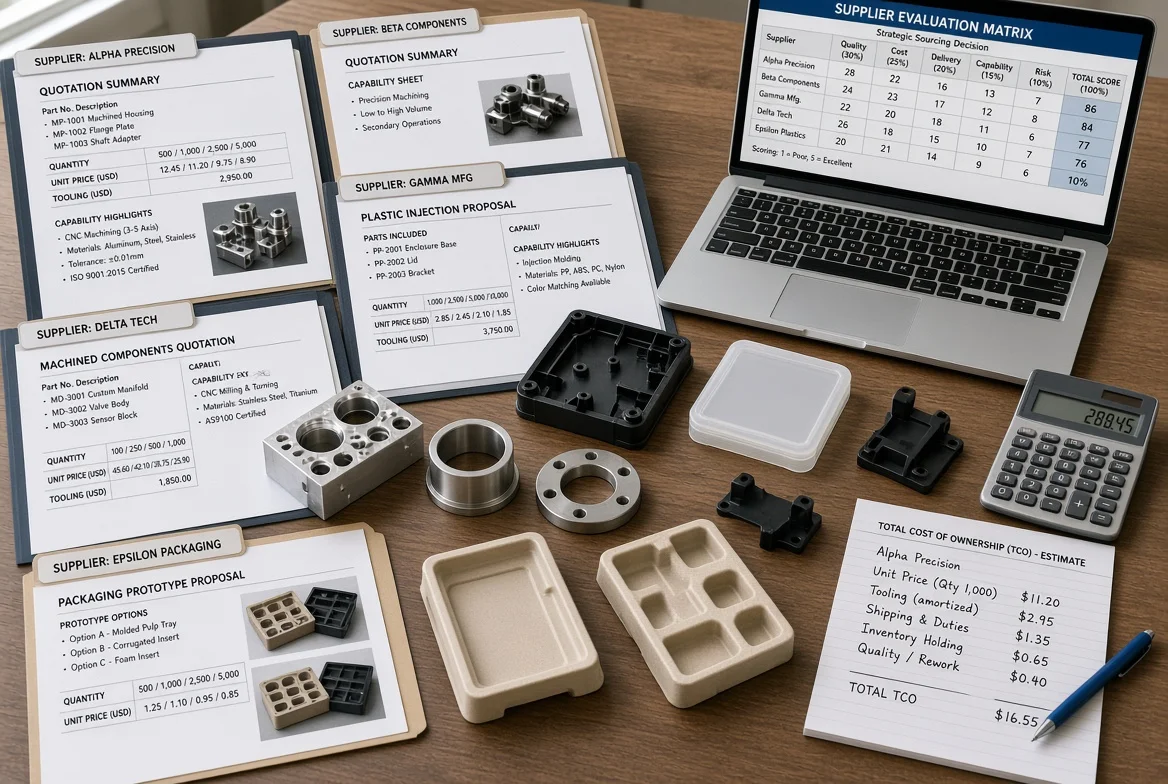
Strategic Supplier Sourcing: How Companies Find Competitive Suppliers
This guide shows procurement managers and business buyers how strategic supplier sourcing identifies suppliers that strengthen cost competitiveness, product quality, delivery reliability, innovation potential and supply resilience. Learn category analysis, market research, total-value evaluation, supplier segmentation and performance management that go beyond the lowest quotation.
Read More
How Manufacturers Calculate Product Pricing: A Buyer’s Guide
This buyer’s guide explains how manufacturers calculate product pricing so procurement teams, purchasing managers, importers, and product developers can read a factory quote with clearer cost logic. It covers direct materials, labor, overhead, tooling, production volume, yield, quality, logistics, supplier risk, and profit margin—and shows what to ask before you treat a unit price as the full story.
Read More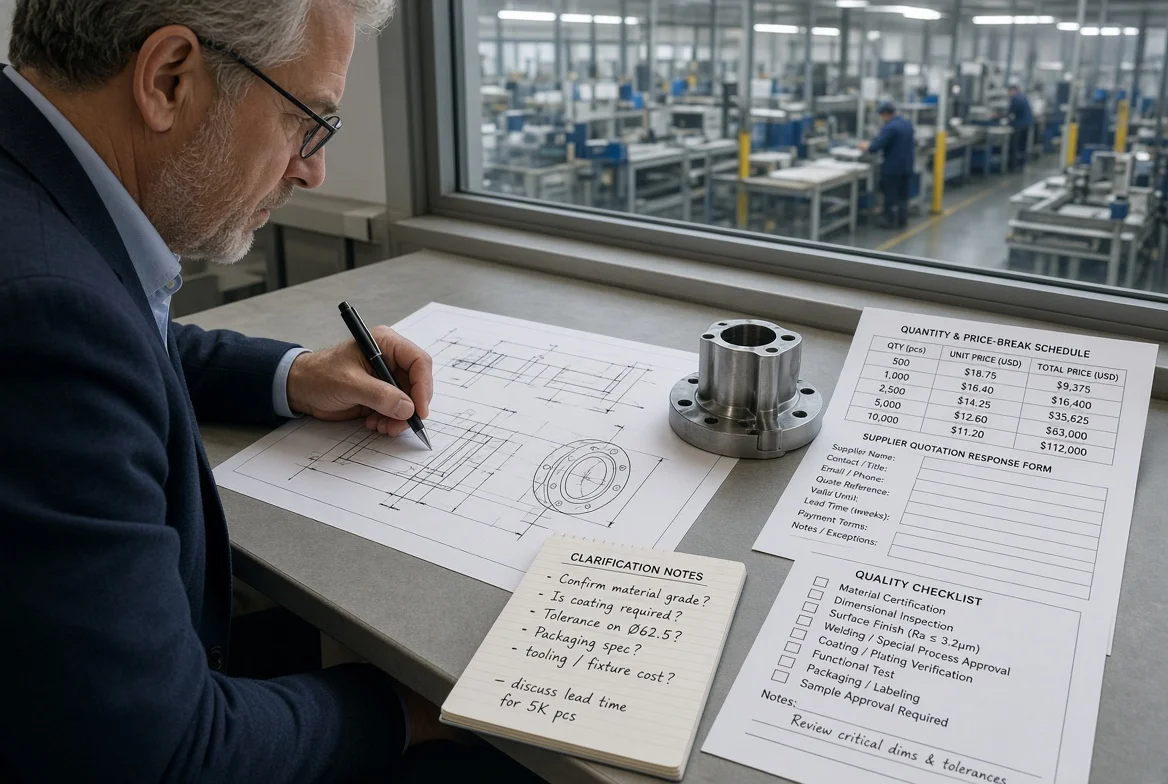
How to Write an Effective RFQ That Gets Better Supplier Responses
This guide helps purchasing managers, sourcing professionals, importers, and product developers write RFQs that manufacturers can actually quote. It covers technical specifications, quantity, quality, commercial terms, response format, deadlines, supplier questions, and the common mistakes that weaken quotation quality.
Read More
Procurement Planning Process: Steps to Build an Effective Purchasing Strategy
This guide is for procurement managers, business owners, sourcing teams, operations leaders, and manufacturing buyers who need a workable purchasing plan before orders become urgent. It covers the inputs, nine planning steps, manufacturing and import issues, common mistakes, supporting documents, and KPIs used to organize demand, specifications, suppliers, budgets, quality gates, and delivery risk.
Read More
How to Identify Real Manufacturers vs Trading Companies
Product businesses, importers, procurement teams, and sourcing managers learn how to distinguish real manufacturers from trading companies through structured signals, document checks, capability questions, and verification steps that match supplier model to product risk and supply-chain needs.
Read More
Manufacturing Procurement Best Practices for Global Buyers
This guide helps global buyers, importers, procurement managers, OEM teams, and sourcing professionals turn factory quotations into reliable international supply. It covers RFQ preparation, supplier qualification, factory evaluation, sample control, quality inspection, total landed cost, Incoterms, logistics, lead time, IP and tooling protection, and supplier risk planning so teams can compare offers fairly and reduce cross-border disruption.
Read More
Factors That Affect Supplier Quotations in Manufacturing
This guide helps procurement teams, purchasing managers, importers, product developers, and business buyers understand why manufacturing quotes change. It covers product complexity, materials, production volume, MOQ, tooling, quality, lead time, capacity, packaging, logistics, commercial terms, and supplier assumptions so buyers can see which drivers they can control.
Read More
# Supplier Scorecard: How Procurement Teams Measure Supplier Performance
Procurement teams, sourcing managers and supply-chain professionals get a practical guide to designing and using a supplier scorecard. The article covers core metrics, weighting models, data ownership, review cadence and how scorecard results support volume allocation, supplier development and risk decisions without relying on gut feel.
Read More
How to Evaluate Supplier Quality, Reliability, and Performance
Procurement managers and sourcing specialists need a clear method to evaluate supplier quality, reliability, and performance on an ongoing basis. This guide explains the metrics to track, how to build scorecards, analyze trends, and use the results to allocate volume, develop suppliers, or replace underperformers with data-driven confidence.
Read More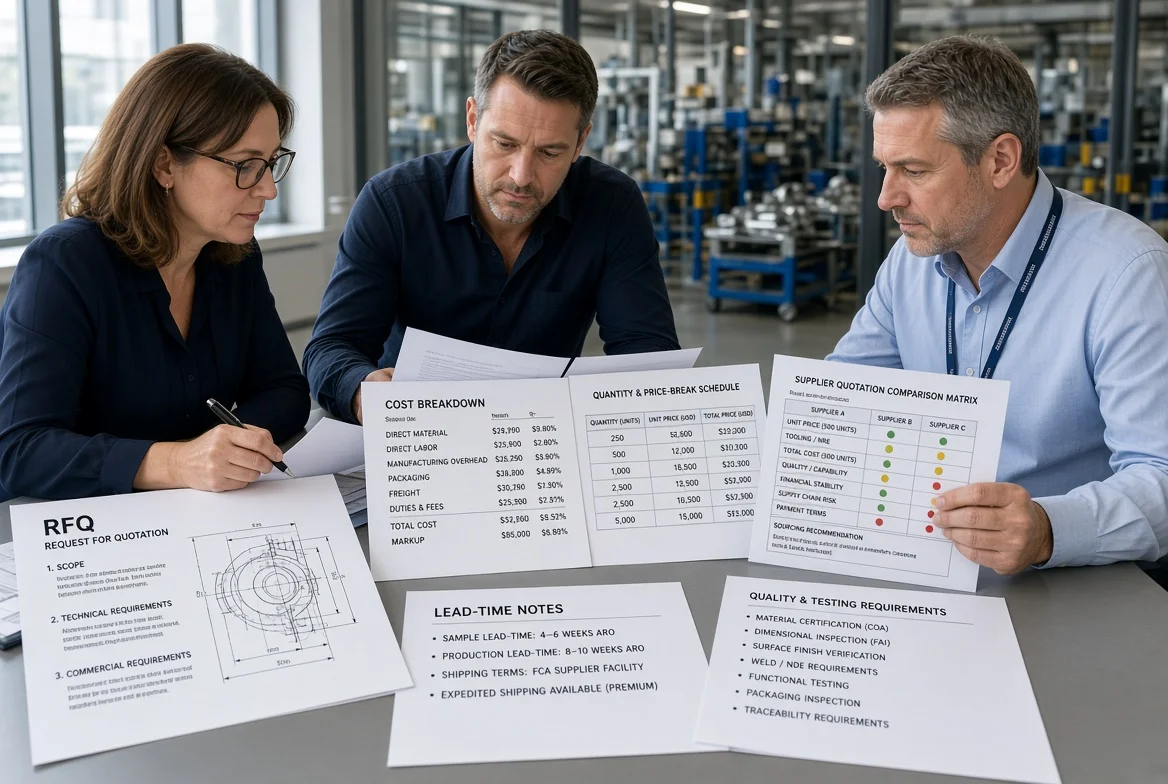
How to Analyze Supplier Quotations: A Practical Guide for Procurement Teams
This practical guide helps procurement teams, purchasing managers, sourcing professionals, importers, and business buyers compare supplier quotations for manufactured products and custom components. It shows how to verify scope, normalize quotes, review cost structure, quality, lead time, commercial terms, supplier assumptions, and hidden costs before making a documented sourcing decision.
Read More
Key Objectives of a Modern Procurement Strategy
A practical guide for procurement managers, business owners, sourcing teams, finance leaders, operations professionals, and manufacturing buyers. It explains the key objectives of a modern procurement strategy and shows how to turn cost, quality, delivery, risk, compliance, and working-capital goals into measurable priorities.
Read More
Global Supplier Sourcing Strategies for Growing Businesses
Product businesses, importers, procurement teams, and sourcing managers learn how to build a global supplier sourcing strategy that balances cost, quality, risk, and scalability. The guide covers discovery, capability verification, total-cost comparison, pilot programs, and ongoing performance management so growing companies can expand their supply base without creating new operational vulnerabilities.
Read More
Supplier Quotation Comparison: What Procurement Teams Should Look For
For procurement teams, purchasing managers and sourcing professionals reviewing multiple supplier quotations. This guide provides a structured framework for comparing technical compliance, total cost, quality, delivery, capacity, commercial terms, assumptions, exclusions and risk before selecting a supplier. Target Keywords supplier quotation comparison, supplier quotation comparison criteria, supplier quote comparison for procurement teams, what to look for in supplier quotations, compare supplier quotations fairly, supplier quotation evaluation checklist, supplier quote comparison matrix, procurement quotation comparison
Read MoreWhat Is a Factory Audit? A Complete Guide for B2B Buyers
This complete guide explains what a factory audit is and why it matters for B2B buyers, procurement teams, and importers. It covers core objectives, common audit types, what auditors typically check, and how factory audits support supplier selection and risk management decisions.
Read More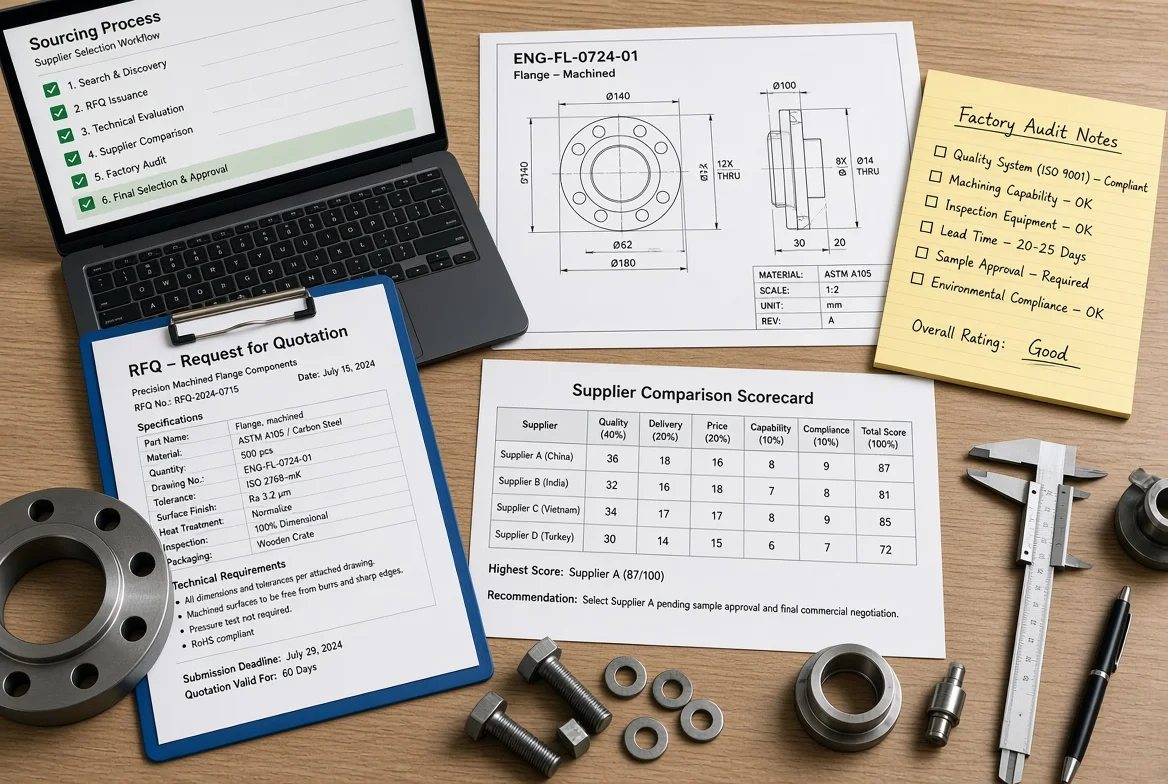
Supplier Sourcing Process Explained: From Supplier Search to Final Selection
This guide is written for procurement managers, importers, product developers, and growing companies that need a repeatable supplier sourcing workflow. It walks through the full process from clarifying requirements and building a longlist to RFQ management, capability verification, negotiation, and controlled onboarding so decisions rest on evidence rather than price or informal recommendations alone.
Read More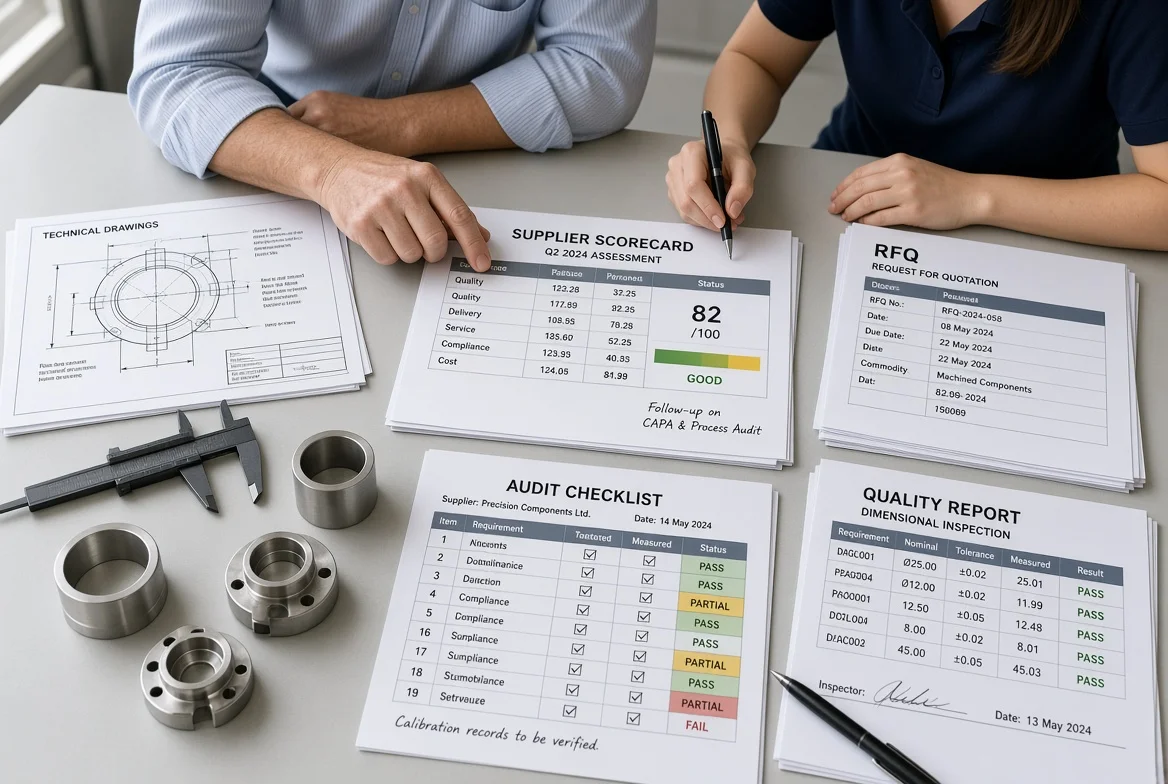
Supplier Evaluation vs Supplier Qualification: What Are the Differences?
This practical guide helps procurement managers, sourcing specialists, and quality teams understand the difference between supplier evaluation and supplier qualification. It shows how evaluation provides evidence while qualification sets the approval gate, supporting better supplier approval, risk management, and sourcing decisions.
Read MoreCommon RFQ Mistakes Buyers Make When Requesting Supplier Quotes
The most frequent errors that are made in an RFQ are that it is too vague on what is being requested, unclear assumptions on quantity and delivery, lack of quality requirements, uncontrolled changes in the document, the RFQ is sent to the wrong suppliers, and only considering unit price in a quotation. The supplier can
Read More
Strategic Procurement Approaches for OEM Manufacturing
Strategic procurement approaches for OEM manufacturing treat the factory as a long-term partner rather than a transactional vendor. This guide covers partnership models, dual sourcing, total-cost evaluation, early supplier involvement, risk mitigation and practical KPIs so buyers can protect capacity, quality and total cost across the full product lifecycle.
Read More
How Production Volume Influences Manufacturing Quotes
A practical guide for procurement teams, purchasing managers, importers, product developers, and business buyers. It explains prototype, pilot, low-volume, and high-volume pricing, how economies of scale, setup, tooling, MOQ, capacity, and lead time change a quote, and why volume assumptions must match real demand and inventory risk.
Read More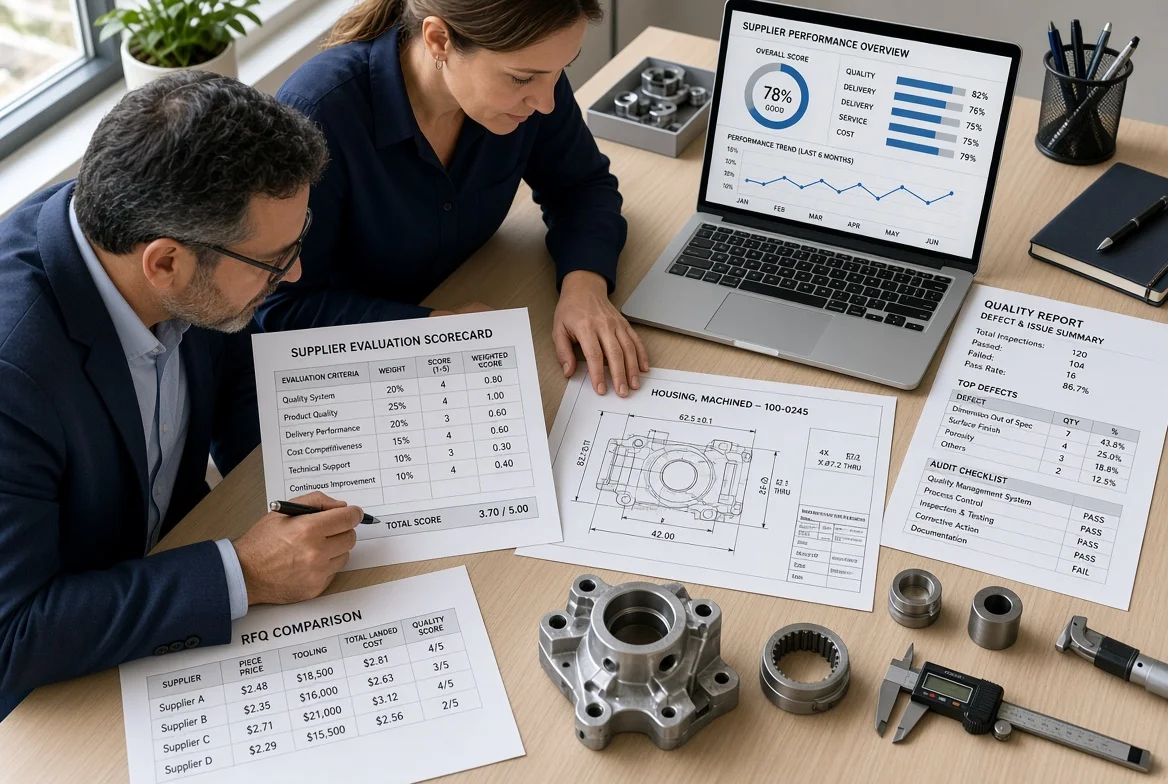
Supplier Evaluation Process: 7 Steps to Assess a Potential Supplier
This practical guide is written for procurement managers, sourcing specialists and quality teams that need a repeatable method to evaluate new suppliers. It outlines seven clear steps covering requirements definition, screening, documentation, technical and quality assessment, capacity and commercial review, risk due diligence, and final approval with ongoing monitoring.
Read More
Procurement Strategy vs Strategic Sourcing: What Is the Difference?
This guide is for procurement managers, sourcing professionals, business owners, and manufacturing buyers who mix two related terms. It explains how a long-term procurement plan differs from category-level supplier selection, and how the two should work together on cost, quality, risk, and supply continuity.
Read More
Why Supplier Quotes Are Different: Understanding Manufacturing Cost Differences
Procurement teams often receive different supplier quotes for the same product. This guide explains why manufacturers quote different prices, covering materials, process, labor, overhead, tooling, volume, quality, logistics, and supplier assumptions, and shows buyers how to investigate a price gap before treating the lowest or highest number as the answer.
Read More
How Procurement Teams Reduce Manufacturing Costs Through Better Strategies
This guide is for manufacturing procurement managers, sourcing teams, operations leaders, finance professionals, and plant managers facing material and supply-cost pressure. It shows how to reduce total manufacturing cost—not just unit price—through spend analysis, BOM review, value engineering, supplier selection, quality control, inventory, and logistics, without weakening delivery.
Read More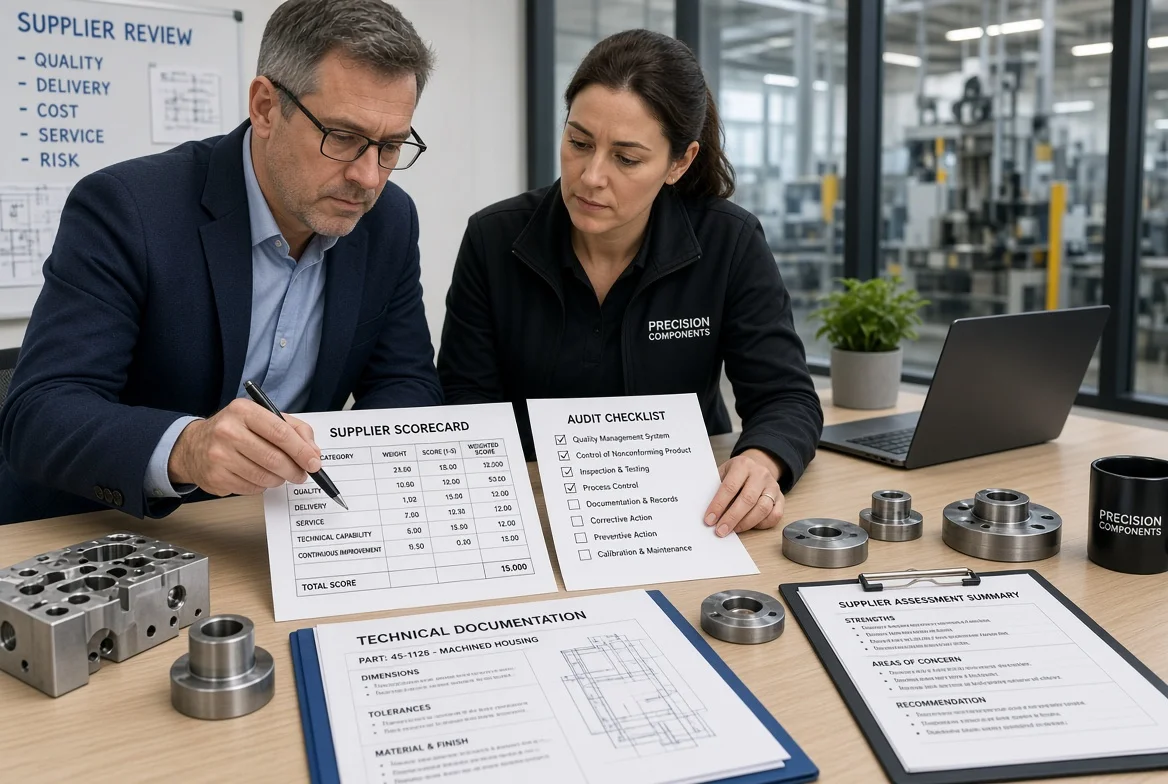
Supplier Assessment Process: A Practical Guide for Procurement Teams
This practical guide gives procurement managers, sourcing specialists and quality teams a structured supplier assessment process. It walks through seven clear steps to evaluate capability, risk, quality, delivery and commercial fit so teams can approve or reject suppliers with evidence before trial orders or contract awards.
Read More
RFQ Process Explained: From Supplier Selection to Final Quotation
This guide is for purchasing managers, sourcing teams, importers, and business buyers who need a structured way to request and evaluate supplier quotations. It covers supplier selection, RFQ preparation, communication, quote collection, quotation review, and the final sourcing decision so you compare like-for-like offers instead of mismatched prices.
Read More
Supplier Evaluation Checklist: A Practical Guide for Procurement Teams
This guide is for procurement managers, sourcing specialists, and procurement teams who need a systematic way to evaluate suppliers. It provides a practical supplier evaluation checklist covering technical capability, quality systems, capacity, delivery, cost, compliance, and risk. Use it before RFQ awards, factory visits, or supplier approval so you collect the right evidence and avoid decisions based only on price or samples.
Read More
Where to Find Manufacturers and Suppliers for New Products
Product businesses, importers, procurement teams, and sourcing managers learn realistic supplier discovery channels for new products. The guide shows how to define requirements, search by capability, avoid common mistakes, and build a structured longlist ready for screening and verification.
Read More
Procurement Strategy vs Purchasing Strategy: Key Differences Explained
This guide is for business owners, procurement managers, purchasing teams, sourcing professionals, and manufacturing buyers who mix the two terms. It explains how procurement strategy and purchasing strategy can differ in scope, then shows how to decide which layer your organization needs and how both should work together.
Read More
Supplier Qualification Process: A Guide for Procurement Teams
Procurement teams, sourcing managers, and importers get a clear, risk-based guide to the supplier qualification process. The article walks through pre-qualification, capability assessment, sample and trial validation, formal approval, and ongoing monitoring so businesses can move from longlist to approved supplier list while matching evaluation depth to real product and supply-chain risk.
Read More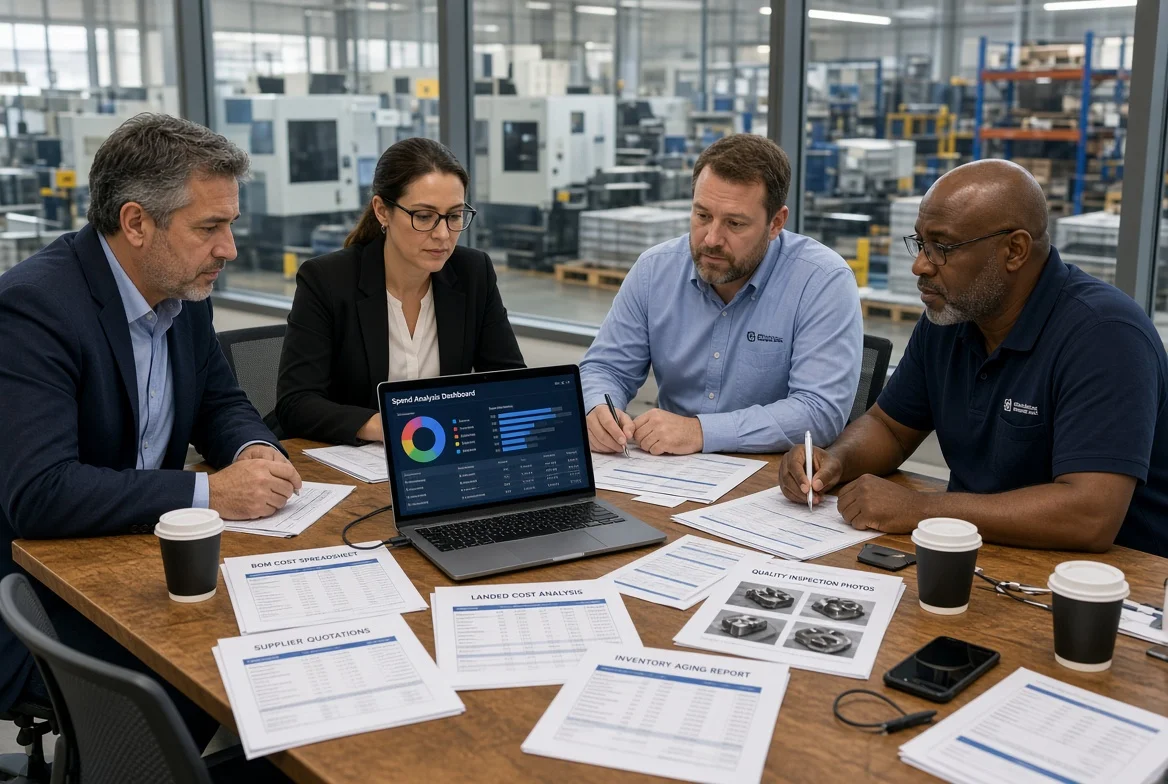
Procurement Cost Optimization Strategies Every Buyer Should Know
This guide is for procurement managers, buyers, business owners, sourcing professionals, and manufacturing teams who need to reduce total purchasing cost without weakening quality, delivery, supplier capability, or supply continuity. It shows how spend analysis, specification control, supplier strategy, total-cost modeling, commercial terms, quality, inventory, logistics, and process design change the cost structure behind a quote.
Read More
How to Evaluate a Supplier Quote Beyond Price
This guide is for procurement teams, purchasing managers, sourcing professionals, importers, and business buyers reviewing supplier offers. It explains how to judge technical compliance, quality, delivery, capacity, total cost, commercial terms, communication, and supplier risk before selecting a supplier. The questions and checklist help you record why one quotation is stronger than another.
Read More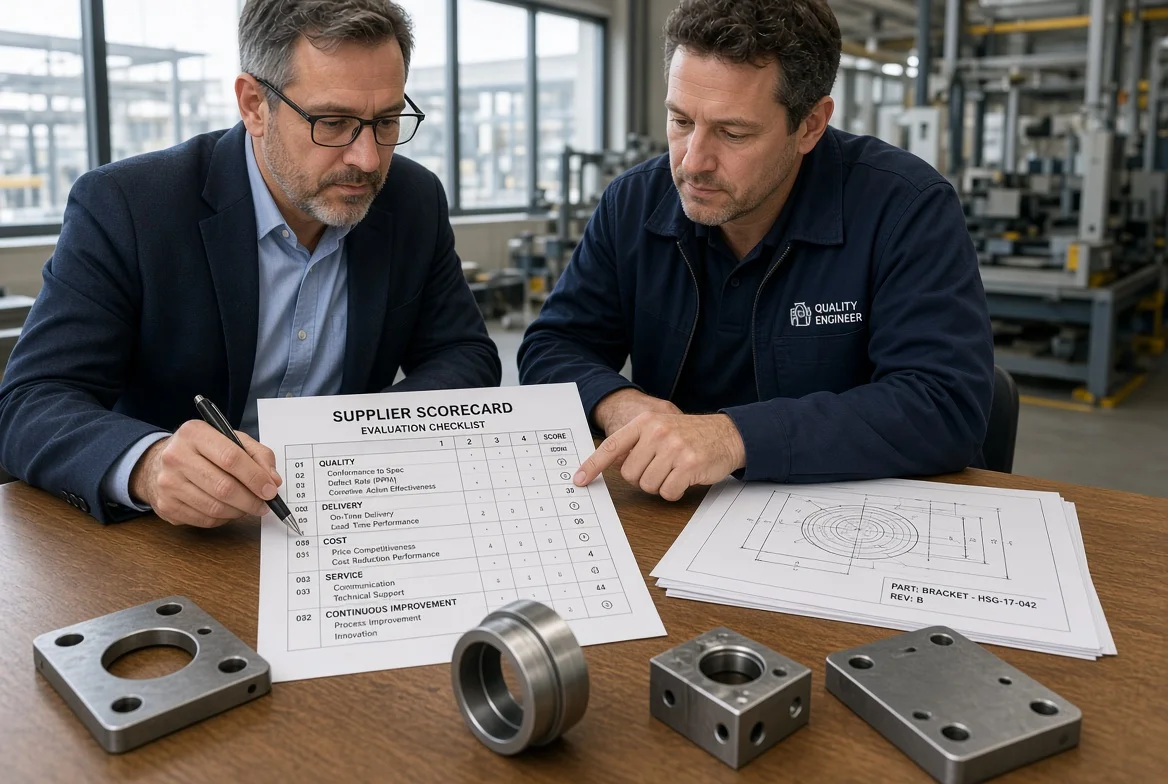
What Is Supplier Evaluation? A Complete Guide for Procurement Professionals
This practical guide helps procurement managers, sourcing specialists, quality teams, importers, and B2B buyers understand supplier evaluation. It covers how to assess capability, quality, cost, delivery, compliance, and risk before starting or expanding a supplier relationship, using real manufacturing examples and clear decision frameworks.
Read More
What Information Should Be Included in a Manufacturing RFQ?
This guide helps buyers sourcing custom parts, assemblies, OEM goods, or manufacturing services prepare a complete RFQ. It lists the technical, quantity, quality, packaging, delivery, and commercial information suppliers need so quotations are accurate and comparable before you contact factories.
Read More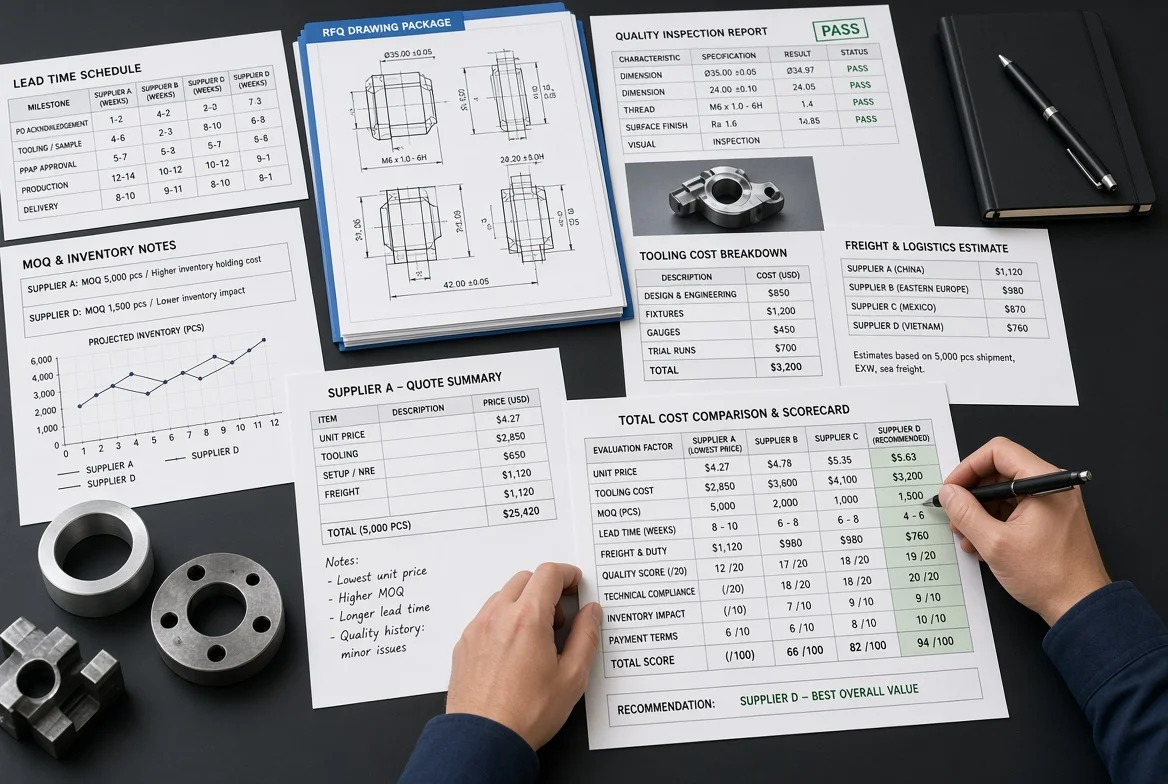
Why the Lowest Supplier Quote Is Not Always the Best Choice
Procurement teams, purchasing managers, importers, and sourcing professionals learn why the lowest supplier quote is not always the best choice. This practical guide shows how to evaluate a low offer against technical compliance, quality, delivery, capacity, MOQ, total cost, commercial terms, and long-term supplier reliability before awarding the business.
Read More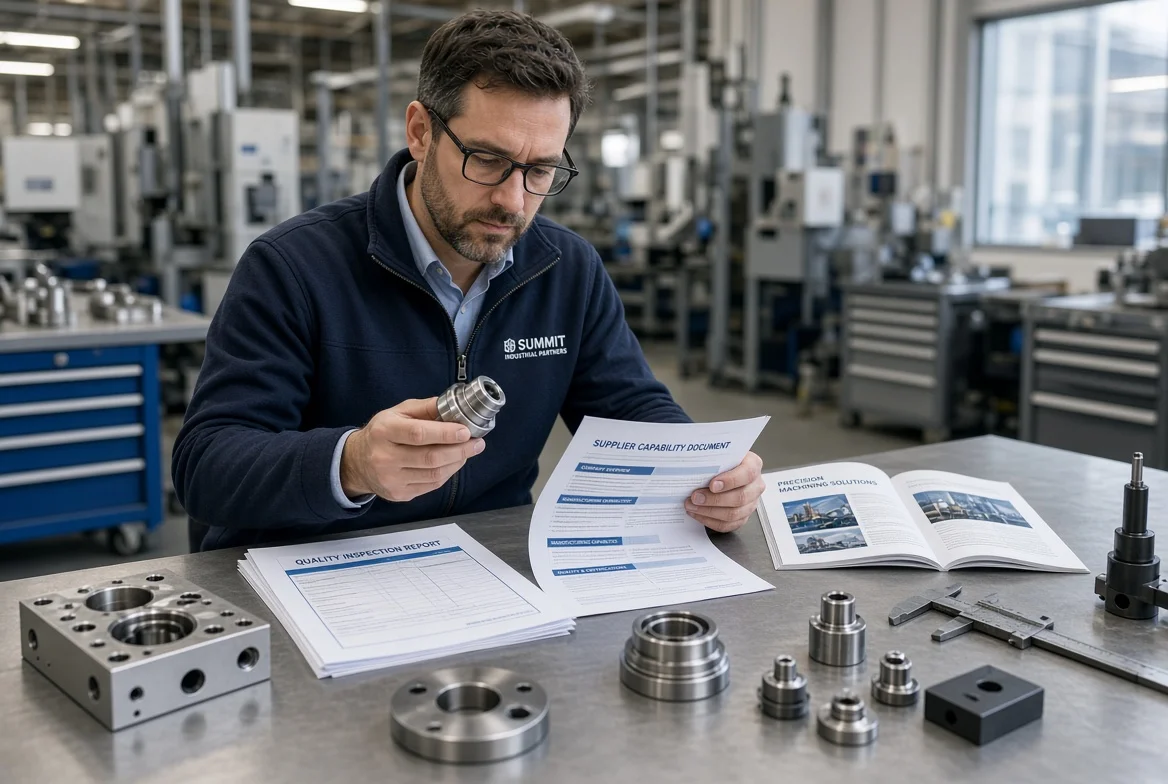
How to Evaluate a Supplier Before Placing an Order
Product businesses, importers, procurement teams, and sourcing managers get a clear, risk-based process for evaluating suppliers before placing an order. The guide covers requirements definition, capability review, commercial comparison, sample validation, and how to scale evaluation depth to product complexity and supply risk.
Read More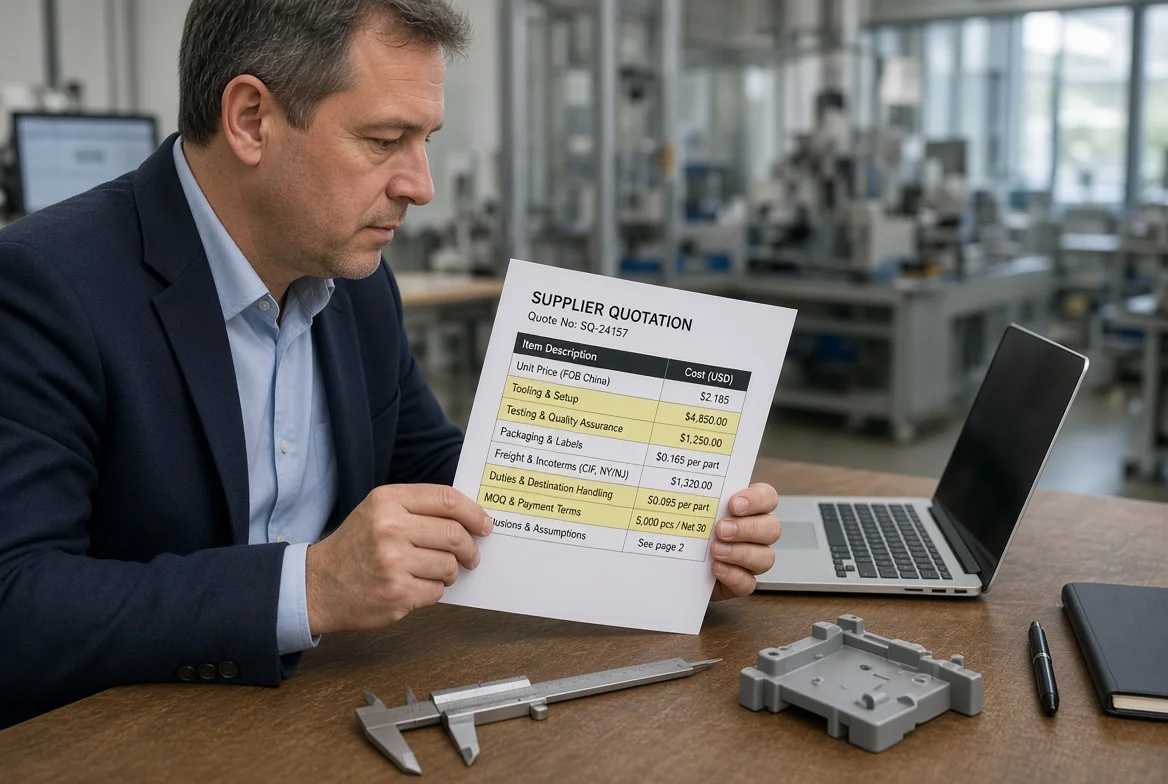
Hidden Costs in Supplier Quotations: What Buyers Need to Check Before Ordering
This guide helps procurement teams, importers, purchasing managers, product developers, and business buyers review supplier quotations before ordering. It shows how to find exclusions, assumptions, tooling charges, logistics costs, quality exposure, compliance costs, payment conditions, and other expenses that may sit outside the headline unit price.
Read More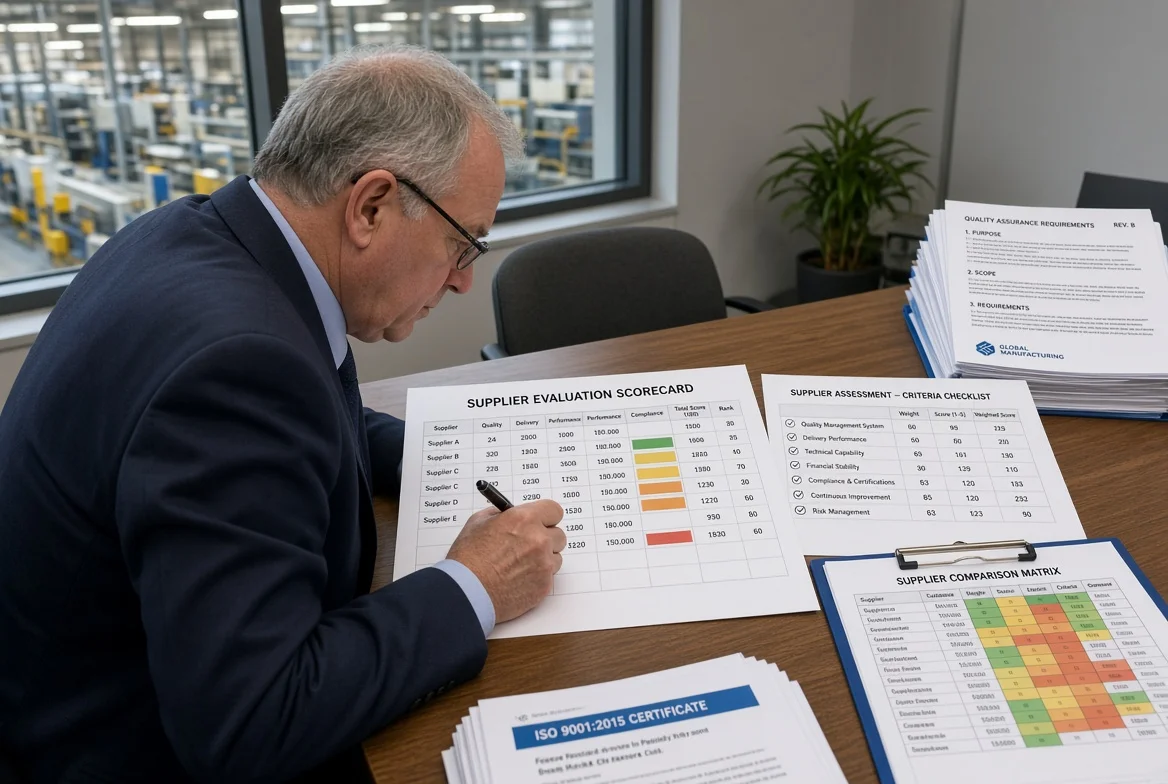
10 Key Supplier Evaluation Criteria Every Buyer Should Consider
This practical guide helps procurement managers, sourcing specialists, and business buyers evaluate suppliers using 10 key criteria covering capability, quality, capacity, delivery reliability, commercial terms, compliance, financial health, communication, risk, and continuous improvement before finalizing sourcing decisions.
Read More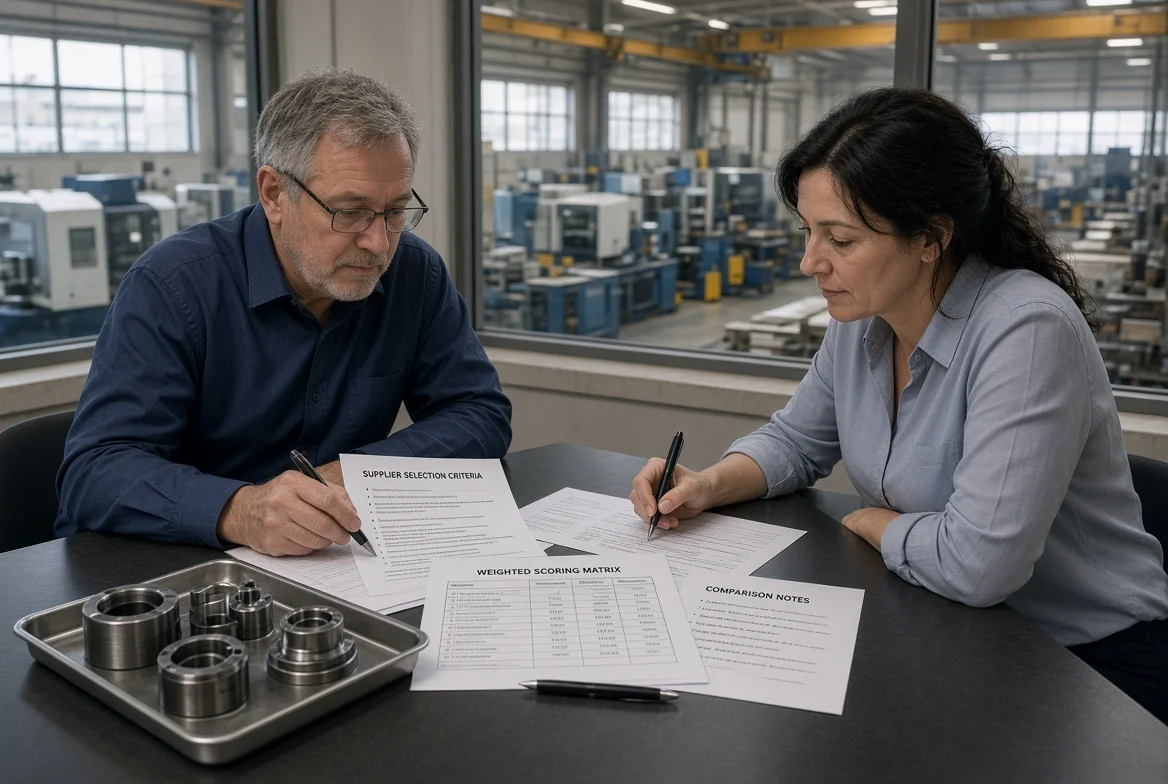
Supplier Selection Criteria: How Companies Choose Reliable Partners
This guide is for procurement managers, sourcing specialists, and business buyers who need a practical view of supplier selection criteria. It explains how companies evaluate and choose reliable supplier partners by weighing manufacturing capability, quality performance, delivery reliability, total cost, financial stability, compliance, and partnership fit—not unit price alone.
Read More
Procurement Strategy Examples for Different Industries
This guide is for business owners, procurement managers, sourcing professionals, operations leaders, and manufacturing buyers. It explains how procurement priorities differ by industry and how to adapt supplier selection, inventory, quality, risk, and KPIs to cost, delivery, compliance, and supplier capability.
Read More
Strategic Procurement vs Traditional Purchasing: Key Differences Explained
For procurement managers, business owners, sourcing teams, and manufacturing buyers, this article explains how strategic procurement differs from traditional purchasing in time horizon, cost, suppliers, risk, and data. Use the comparison to see which approach fits each category and when a more strategic model is warranted.
Read More
How Manufacturers Build an Efficient Procurement Strategy
This guide is for manufacturing procurement managers, operations leaders, sourcing teams, plant managers, and OEM buyers who lose time to stockouts, emergency freight, duplicate orders, and recurring quality issues. It shows how to align purchasing with production and MRP, segment suppliers by risk, standardize RFQs, manage inventory and performance, and measure cost, quality, delivery, and resilience as one system.
Read More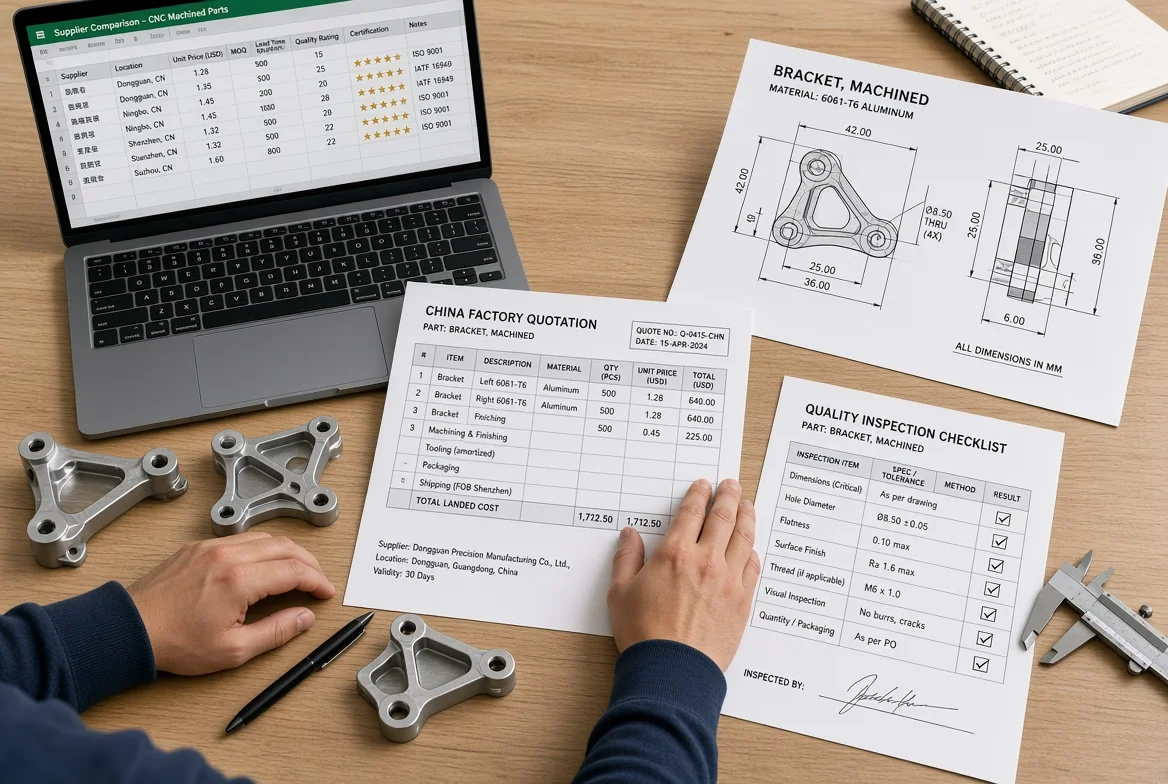
China Supplier Sourcing Guide: How Global Buyers Find Reliable Manufacturers
This China supplier sourcing guide helps importers, product businesses, procurement teams, and sourcing managers find reliable manufacturers in China. It covers structured search methods, supplier screening, capability verification, quotation analysis, sample evaluation, and risk-aware practices for safer international purchasing.
Read More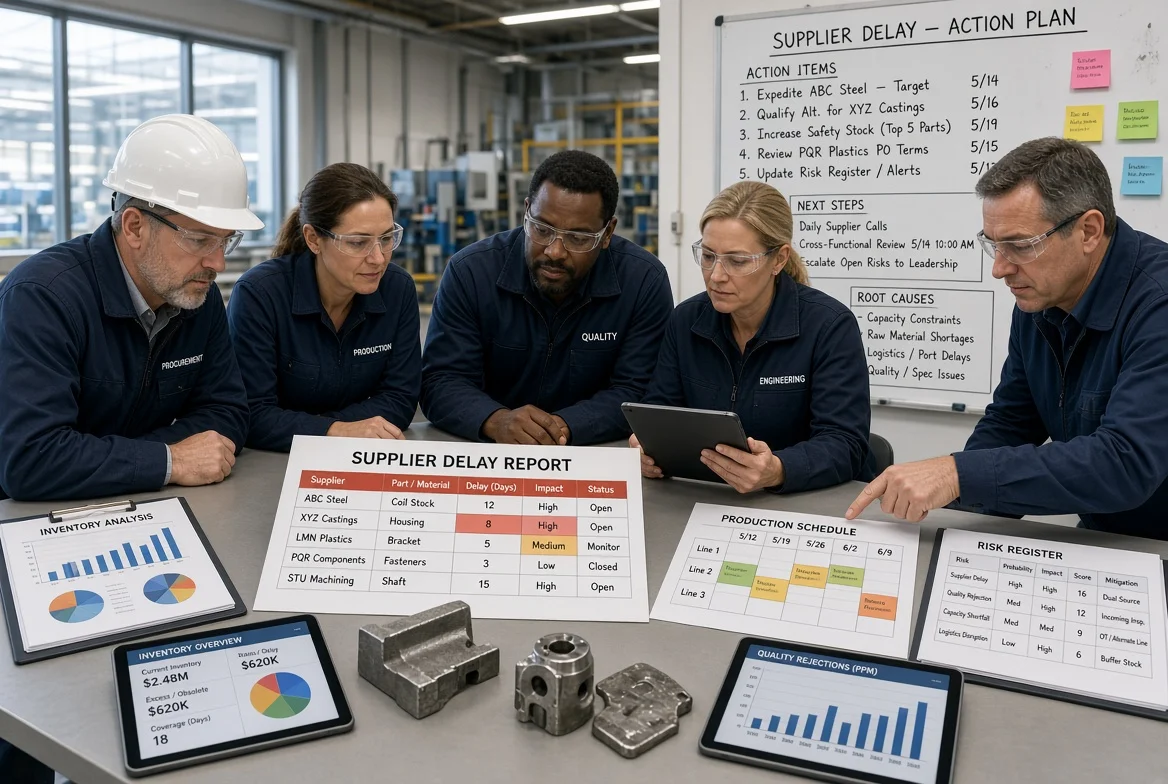
Procurement Challenges in Manufacturing and How to Solve Them
A practical guide for manufacturing procurement managers, sourcing teams, plant managers, operations leaders, and supply-chain professionals. It examines the most common procurement problems that stop production, raise costs, and create quality risk, then shows how to diagnose root causes and apply targeted solutions across supplier delivery, quality, capacity, inventory, planning, and performance management.
Read More
What Is Procurement Strategy? A Complete Guide for Businesses
This guide explains what procurement strategy is and how business owners, procurement managers, sourcing professionals, and manufacturing buyers can use it to manage suppliers, total cost, quality, delivery, and risk. It covers core components, a step-by-step way to develop a plan, industry examples, performance measures, and common mistakes that weaken purchasing decisions.
Read More