
B2B Source Desk
Global Sourcing & Procurement Insights - Page 6
Latest intelligence
Practical guides for better sourcing decisions
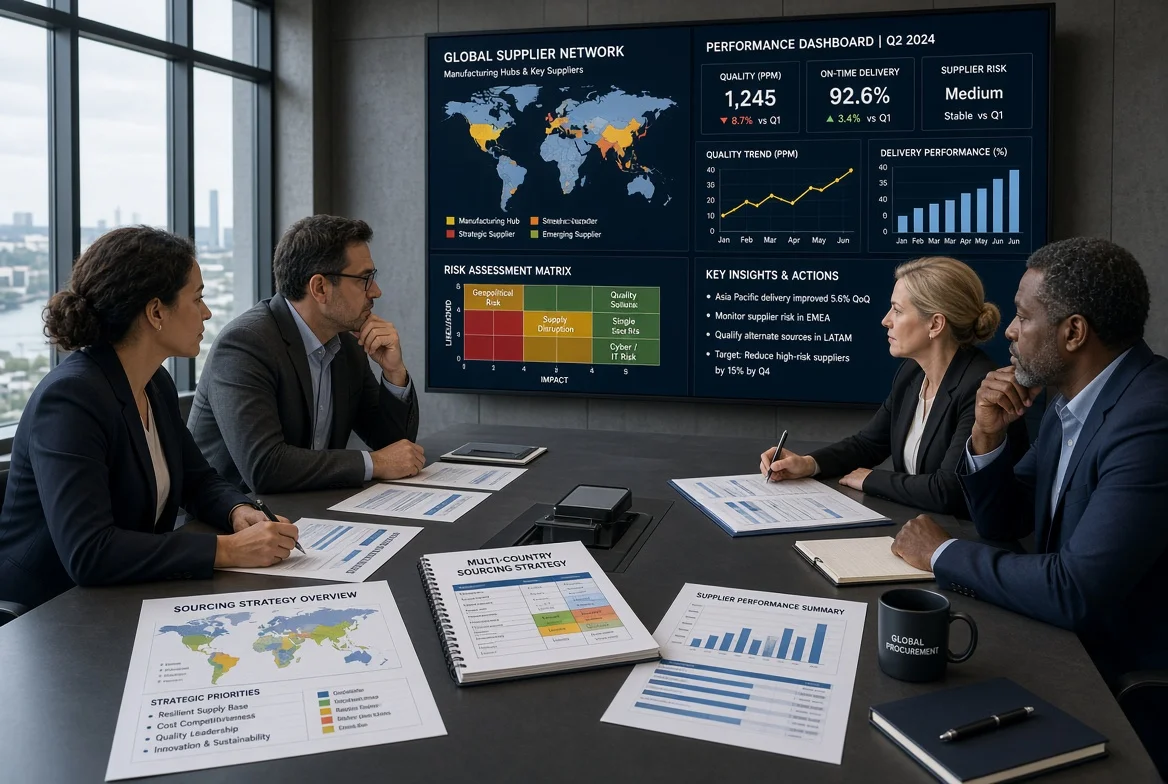
Global Supplier Sourcing Strategies for Growing Businesses
Product businesses, importers, procurement teams, and sourcing managers learn how to build a global supplier sourcing strategy that balances cost, quality, risk, and scalability. The guide covers discovery, capability verification, total-cost comparison, pilot programs, and ongoing performance management so growing companies can expand their supply base without creating new operational vulnerabilities.
Read More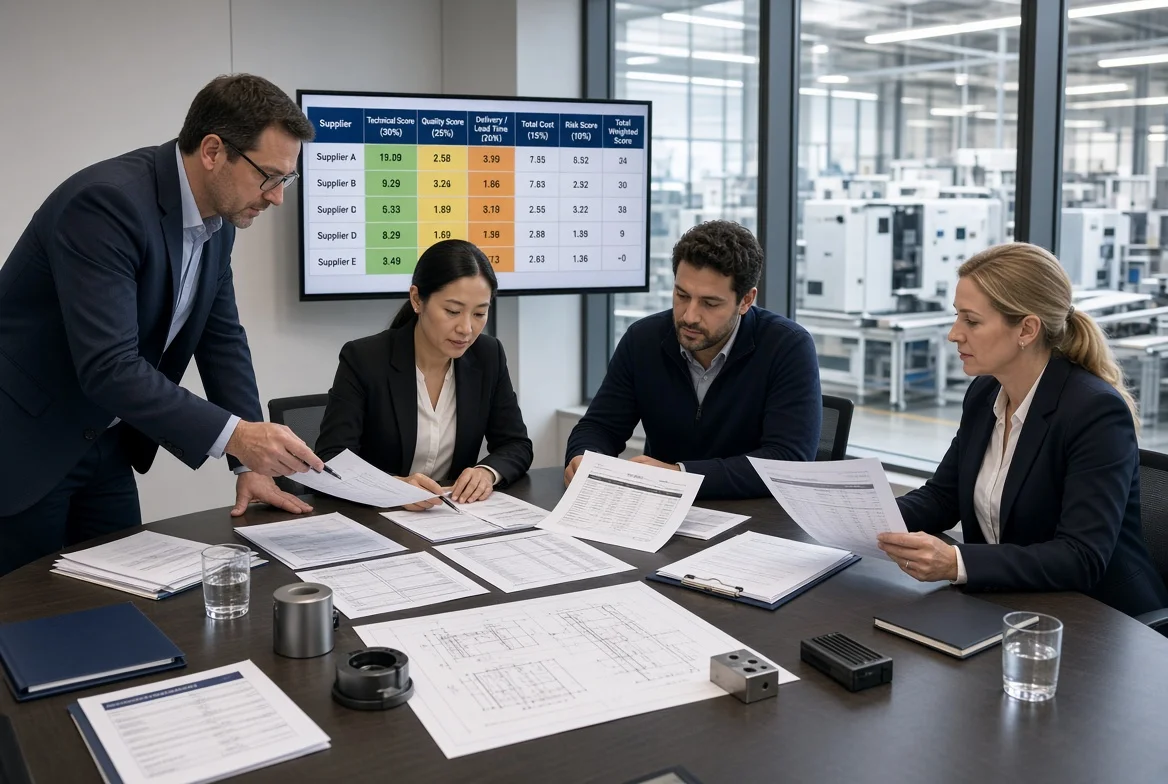
Supplier Quotation Comparison: What Procurement Teams Should Look For
For procurement teams, purchasing managers and sourcing professionals reviewing multiple supplier quotations. This guide provides a structured framework for comparing technical compliance, total cost, quality, delivery, capacity, commercial terms, assumptions, exclusions and risk before selecting a supplier. Target Keywords supplier quotation comparison, supplier quotation comparison criteria, supplier quote comparison for procurement teams, what to look for in supplier quotations, compare supplier quotations fairly, supplier quotation evaluation checklist, supplier quote comparison matrix, procurement quotation comparison
Read MoreWhat Is a Factory Audit? A Complete Guide for B2B Buyers
This complete guide explains what a factory audit is and why it matters for B2B buyers, procurement teams, and importers. It covers core objectives, common audit types, what auditors typically check, and how factory audits support supplier selection and risk management decisions.
Read More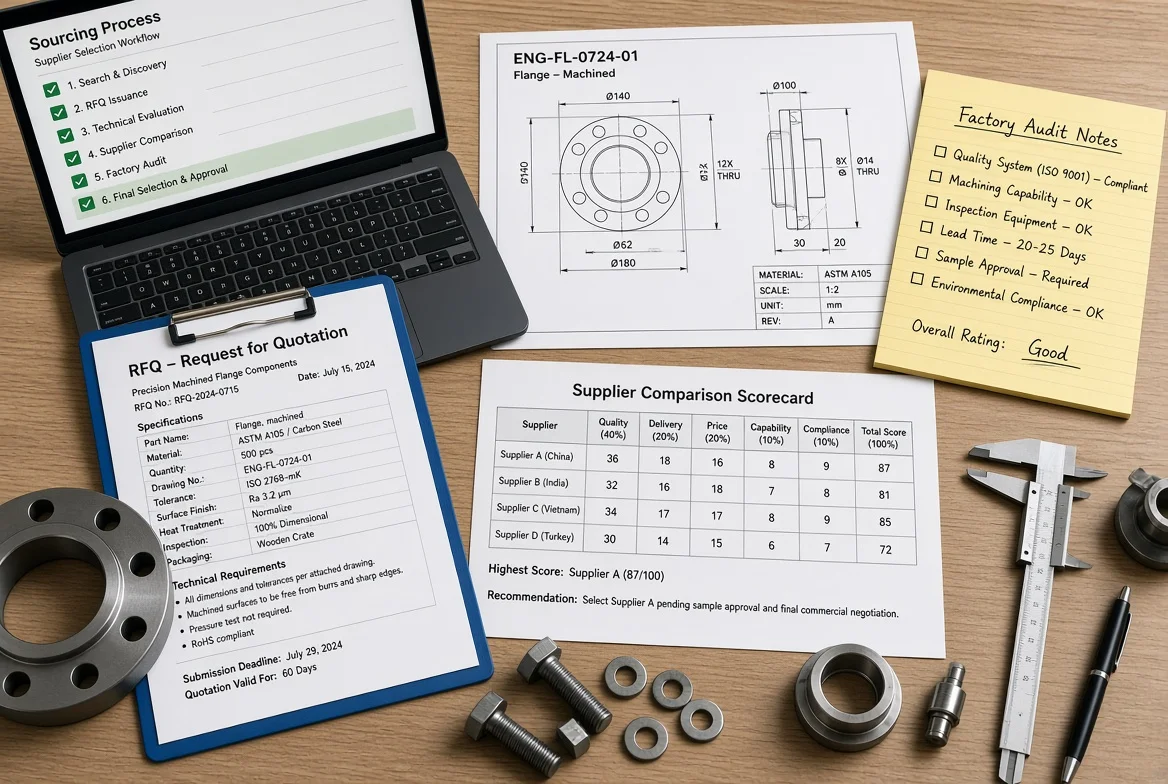
Supplier Sourcing Process Explained: From Supplier Search to Final Selection
This guide is written for procurement managers, importers, product developers, and growing companies that need a repeatable supplier sourcing workflow. It walks through the full process from clarifying requirements and building a longlist to RFQ management, capability verification, negotiation, and controlled onboarding so decisions rest on evidence rather than price or informal recommendations alone.
Read More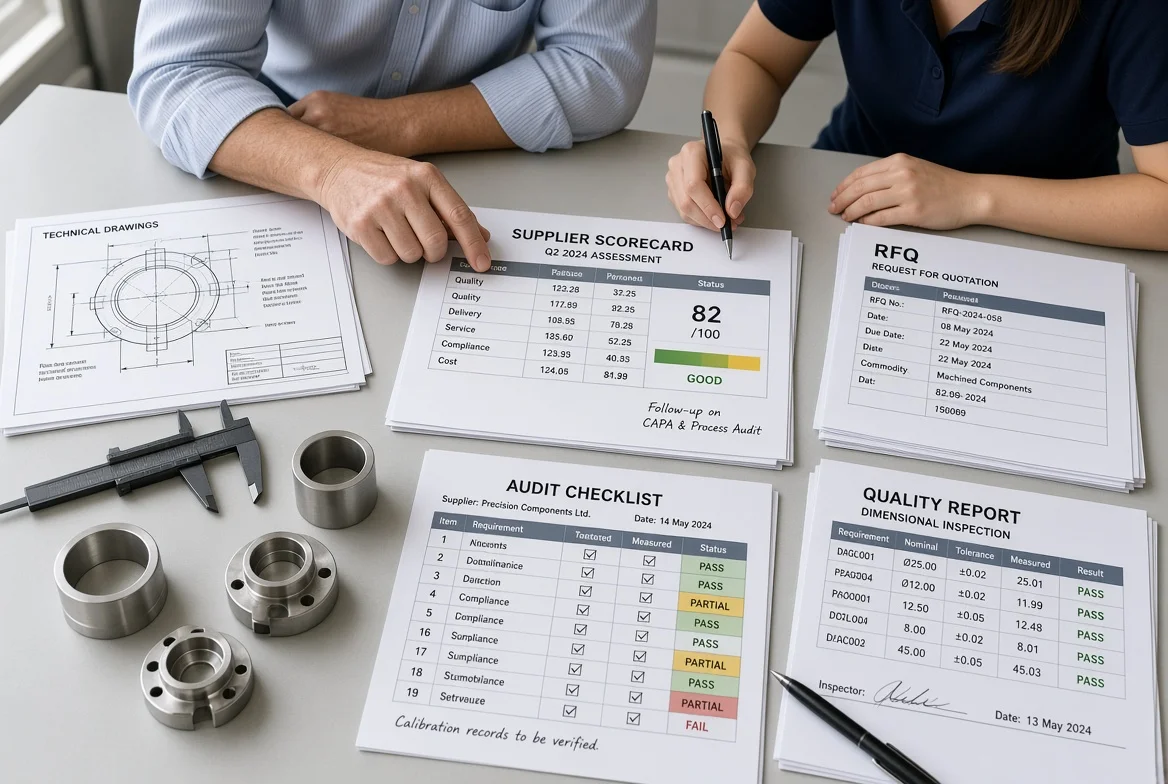
Supplier Evaluation vs Supplier Qualification: What Are the Differences?
This practical guide helps procurement managers, sourcing specialists, and quality teams understand the difference between supplier evaluation and supplier qualification. It shows how evaluation provides evidence while qualification sets the approval gate, supporting better supplier approval, risk management, and sourcing decisions.
Read MoreCommon RFQ Mistakes Buyers Make When Requesting Supplier Quotes
The most frequent errors that are made in an RFQ are that it is too vague on what is being requested, unclear assumptions on quantity and delivery, lack of quality requirements, uncontrolled changes in the document, the RFQ is sent to the wrong suppliers, and only considering unit price in a quotation. The supplier can
Read More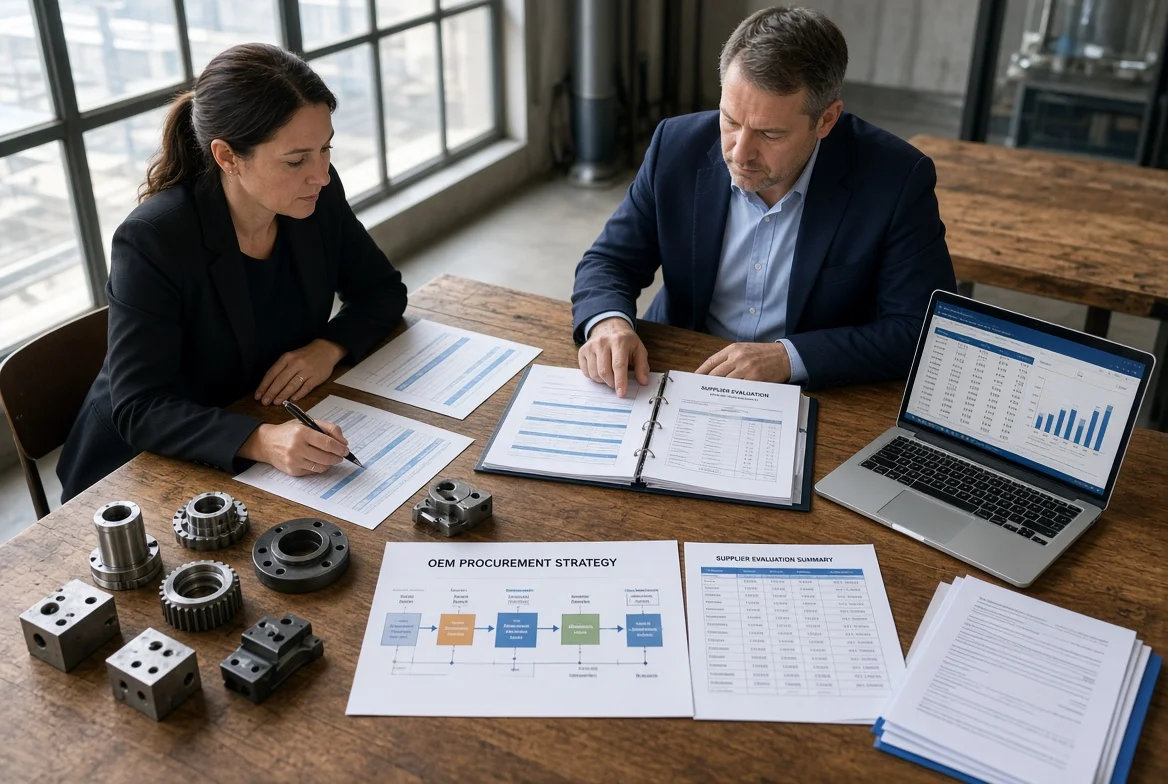
Strategic Procurement Approaches for OEM Manufacturing
Strategic procurement approaches for OEM manufacturing treat the factory as a long-term partner rather than a transactional vendor. This guide covers partnership models, dual sourcing, total-cost evaluation, early supplier involvement, risk mitigation and practical KPIs so buyers can protect capacity, quality and total cost across the full product lifecycle.
Read More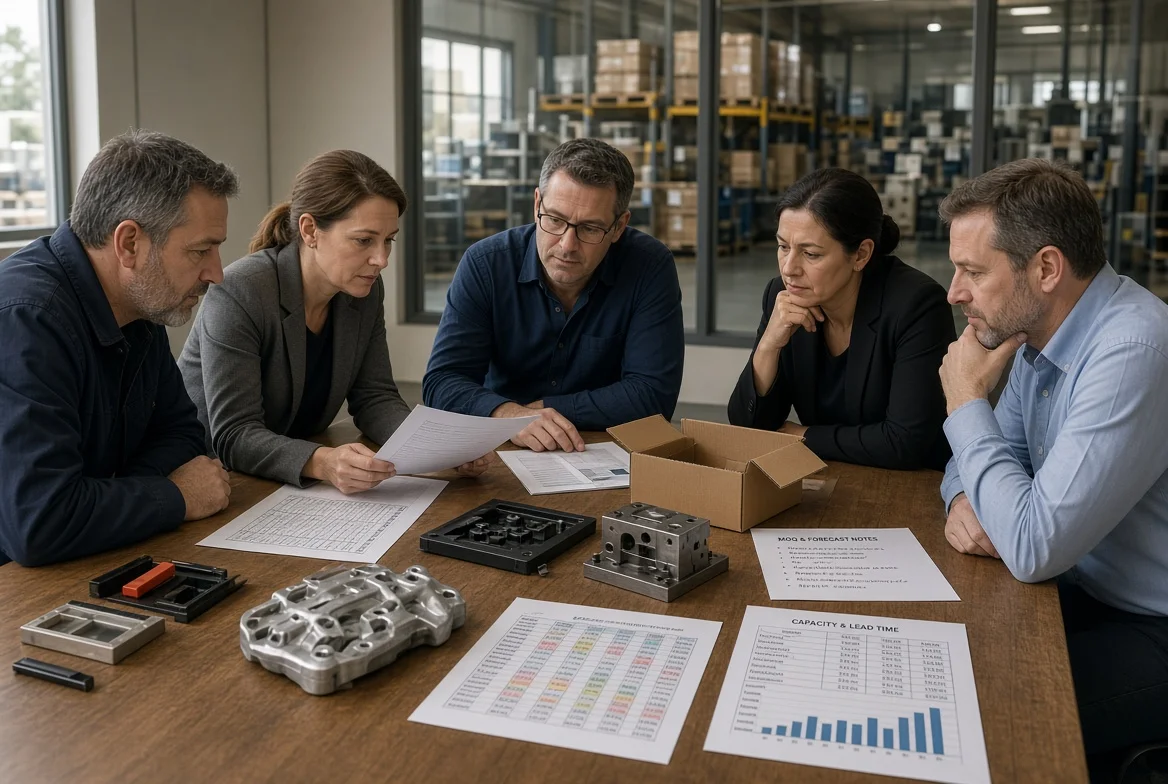
How Production Volume Influences Manufacturing Quotes
A practical guide for procurement teams, purchasing managers, importers, product developers, and business buyers. It explains prototype, pilot, low-volume, and high-volume pricing, how economies of scale, setup, tooling, MOQ, capacity, and lead time change a quote, and why volume assumptions must match real demand and inventory risk.
Read More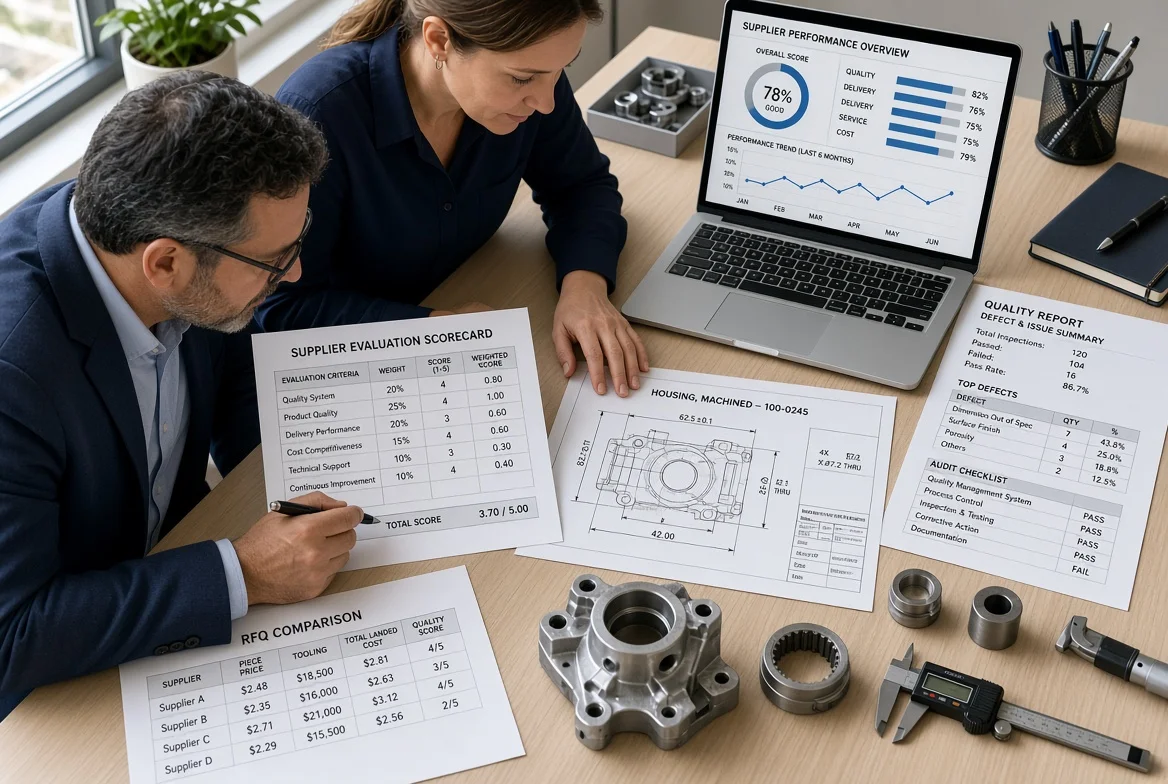
Supplier Evaluation Process: 7 Steps to Assess a Potential Supplier
This practical guide is written for procurement managers, sourcing specialists and quality teams that need a repeatable method to evaluate new suppliers. It outlines seven clear steps covering requirements definition, screening, documentation, technical and quality assessment, capacity and commercial review, risk due diligence, and final approval with ongoing monitoring.
Read More