
Supplier quotes differ due to the fact that even with receiving the same RFQ, the factories use different pricing technical assumptions, production ways, quantities, quality scopes, delivery conditions, cost structures, capacity situations, risk levels, etc. You need to make sure that the scope is the same for each supplier before you judge efficiency. When scope is the same, the remaining difference is typically due to materials, process routing, labor, overhead, tooling, yield, utilization, and commercialization.
The highest quote is not necessarily too expensive and the lowest is not necessarily the most efficient offer. The higher the number the tighter the inspection, the materials, the tooling, the export packing and/or the realistic allowances for risk. A lower number can be based on optimistic assumptions and exclude work/rest. This guide will help those in the procurement space recognize these causes and determine what questions to pose before assuming a price disparity means a deal is a dead loss.
The Two Main Reasons Why Supplier Quotes Are Different
There are two types of quotation gaps that occur most frequently. First, it is important to keep in mind that the requirement may be different from supplier to supplier. Second, they might be referring to the same requirement but have different cost structures and execution assumptions. Resolve scope first. A comparison of different material, quantity, quality or delivery terms is not a comparison of manufacturing cost.
Suppliers May Be Pricing Different Scopes
An RFQ can be understood in different ways, depending on the Bill of Material, tolerance, set of components, test plan, packaging, freight basis, tolling charge or quality pack used in a factory. The first article inspection and export carton may be included in one molder. One could have just a recurring unit price and take for granted existing tooling and factory packing. The difference seems to be productivity. It is often scope.
Send each supplier a reiteration of what it includes, excludes, and needs for the price (drawing revision, material grade, quantity).
Suppliers May Have Different Cost Structures
Even if the scope of the product is the same, the factories do not have the same labor rates, machine rates, overhead, utilization, material procurement, process efficiency, yield, automation and profit expectations. Typically, manufacturing cost is referred to as direct materials, direct labor and manufacturing overhead. While the manufacturing of those buckets may vary by process, region, volume, and commercial conditions, there are similarities in how it is done.
An overhead rate that is higher does not necessarily represent waste. It can facilitate improved equipment, improved quality systems or improved reliability in delivery. The advantage of being more lean does not necessarily extend to the exclusion of process control that you need.
Suppliers May Price Different Levels of Risk
Risk is present due to unclear specifications, volatile materials, tight tolerances, new tooling, uncertain forecasts, difficult schedules and customer-approval gates. Some suppliers factor that risk into their cost estimate. Others omit it altogether and are content with the simplicity of the order.
It is not an unaccounted-for inflation, but transparent risk pricing. If a quote is significantly higher than the rest, inquire what assumption or risk caused the gap rather than the demand for a reduction in that specific quote.
Material and Component Differences
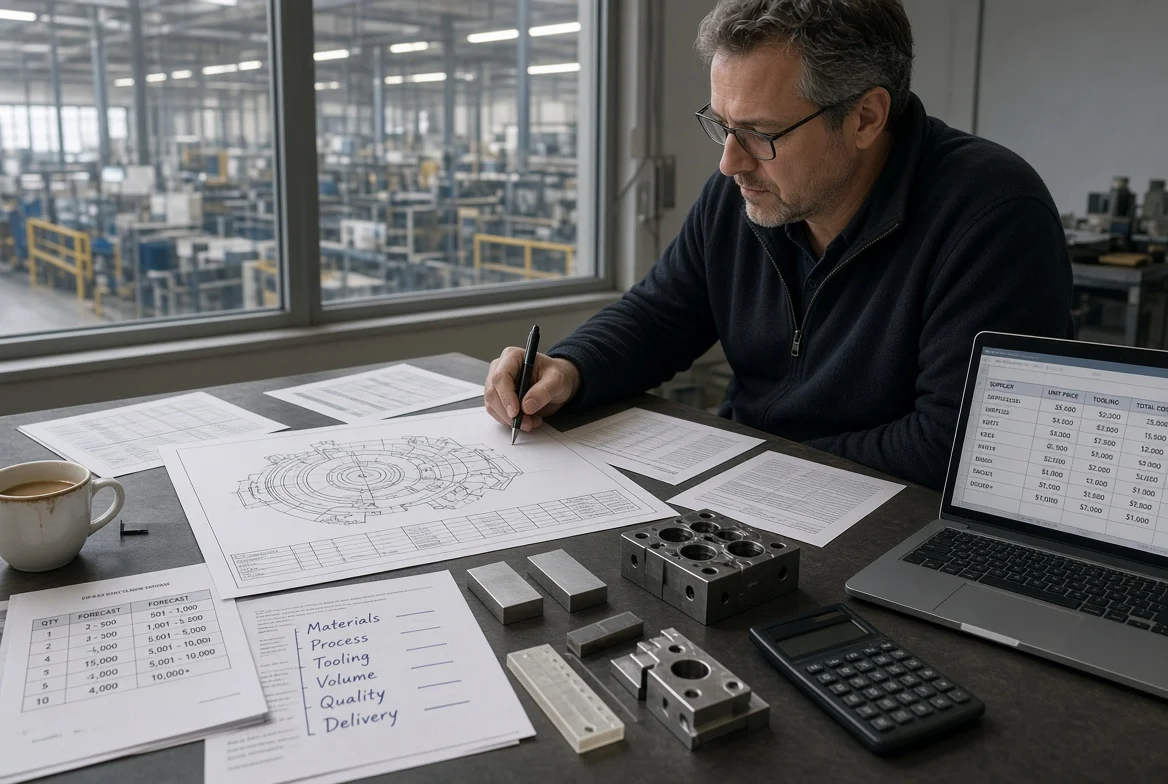
Material and component selection can push the price even if the supplier is the same, and they offer the same product. The term “Steel part”, “Aluminium housing”, “Plastic cover” or “Cable assembly” is not a cost identity. Verify Grade, thickness, source, approved component and if substitutions were used.
Different Material Grades or Specifications
The cost is obscured by broad terms. Aluminum 6061 is not 7075. A commodity resin is not a UV-stable, food contact or flame rated grade. Cable cost varies with the size and strands of copper conductor. Coating change carton cost, GSM cost, Paperboard flute cost. Metals cost depends on surface finish, hardness and coating specification.
Do not ask for the supplier to quote the specific material standard; ask for the exact standard.
Different Material Sources and Purchasing Power
Factories purchase from various mills, distributors, areas and parts sourcing channels. Their cost depend upon the size of the orders, personal methods of stocking, the conditions of repayment, the relationship with the supplier, the timing of the market and the availability and so on. Having a lower material cost doesn't necessarily imply a weaker source. Check for compliance, traceability, consistency and customer approval requirements.
Alternative Components or Substitutions
When the RFQ allows for substitution or doesn't specify the connectors, electronic parts, fasteners, coatings, adhesives or packaging materials are common substitution points. Silent substitution is a scope-control problem, and not a cost reduction to grab the win. Ask suppliers to find substitutes and to write approved alternatives on a separate line.
Scrap, Yield, and Material Utilization
The material cost also depends on the ratio of the amount of raw material converted into a good part. The amount of material a factory purchases is influenced by several factors, such as sheet metal nesting, cable cut length, molding or casting yield, printed-sheet layout, machining stock removal, and more. Two quotes may have the same grade, but be different since one process uses more material. Don't look for a common failure rate. Inquire into the plan for utilization of this part by the supplier.
Manufacturing Process and Production Method Differences
Manufacturing cost is driven by cycle time, setup time, machine hourly rate, labor content and equipment utilization. For a given part, two suppliers may use different machines, or different routing. Not all internal rates are required for the buyer. When the quote is significantly different and process assumptions are vague, they do require clarification.
Different Machine, Equipment, or Automation Levels
If the factory has better process control, inspection ability, engineering support or production stability, it may be able to quote higher since it is covering risks which other factories are not covering. Don't assume that the higher the price, the better the ability. Request evidence: samples, inspection evidence, process capability, quality evidence, equipment, and relevant references.
Different Process Routing and Secondary Operations
There are various types of labor organizations, equipment expenses, facility expenses, energy expenses, quality systems, administrative overheads and financing conditions in factories. It's helpful to think of direct materials, direct labor, and manufacturing overhead. They do not get distributed in the same manner in all quotations.
Different Cycle Times and Machine Rates
Labor cost is influenced by the amount of work required to assemble the part, the skills needed, the complexity of assembly, the inspection effort, exposure to rework, and local labor conditions. Some products are dominated by hand assembly, wiring, soldering, finishing, inspection and packaging. If productivity, quality or rework is decreased, a lower labor rate may not result in a lower quote.
Supplier Capability and Process Stability
Overhead covers rent, utilities, depreciation, maintenance, quality systems, engineering, supervision, insurance and administration. Fat is not considered a bad thing when it's overhead. It can cover equipment capability, production stability, compliance or technical support. Look for the judge of output, judge of quality, and judge of total value rather than judge all dollars that are spent on overheads as superfluous.
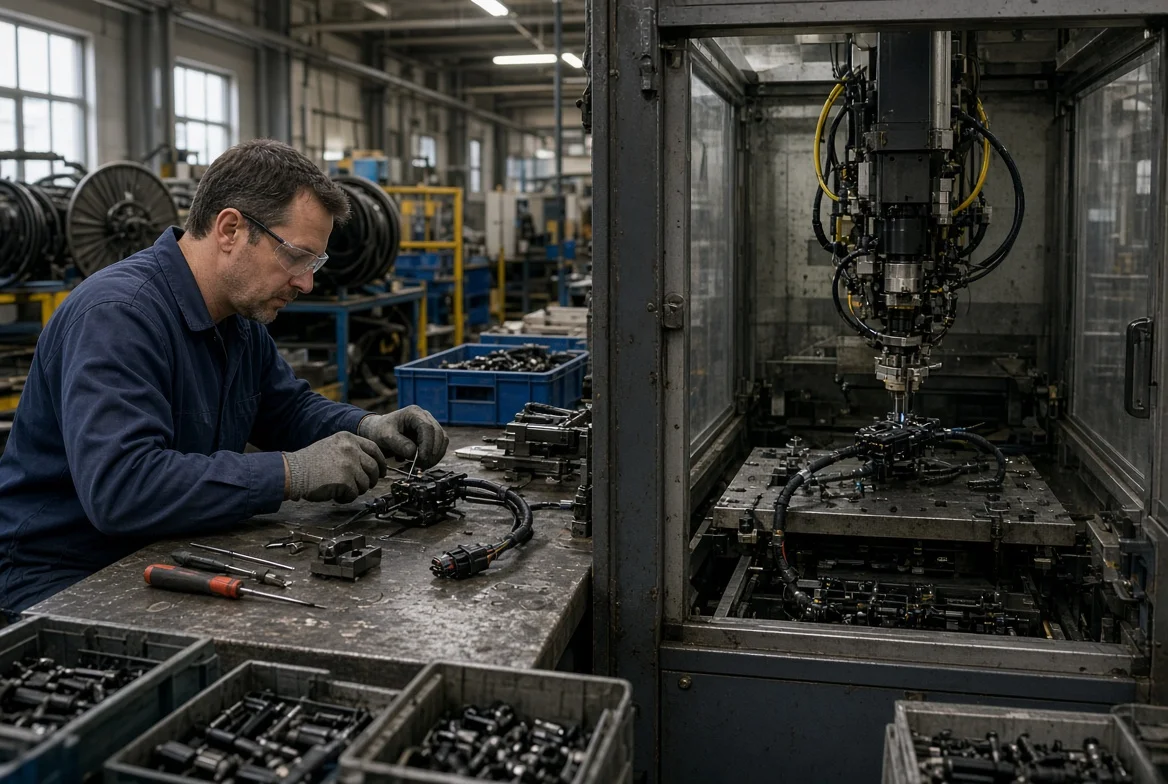
Labor, Overhead, and Supplier Operating-Cost Differences
Labor, utilities, rent, logistics, local taxes, compliance cost, material availability and skilled workers are affected by location. There is no area that is always low cost. The benefits of a lower factory wage may be more than offset by imported materials, extended lead times, less robust supply chains or lower productivity.
Direct Labor and Skill Requirements
Different suppliers have different margins depending on their capacity, customer attractiveness, order risk, stage of the relationship, industry competition, payment terms and strategy. It is never possible to work out the true profit from a quotation. Talk about scope, cost drivers, capability, risk and market reasonableness rather than an arbitrary margin disclosure.
Factory Overhead and Equipment Cost
Production volume affects the economics of manufacturing. Costs vary across the various quantities, such as setup, tooling, program, material acquisition, labor assignment, packaging and quality costs. Manufacturers often provide different prices for reasons that are not clear from the quantity information, or there is inconsistent quantity information.
Regional and Facility-Cost Differences
More production also means setup and tooling are spread across the runs, material can be bought more effectively, changeovers are minimized and efficiencies are increased, all of which result in a lower unit cost. Scale is process-specific. When equipment or materials are "bottlenecks" and/or quality is required that affects capacity, a larger order does not necessarily reduce all costs.
Profit Margin and Commercial Strategy
Suppliers apply different margins based on capacity, customer attractiveness, order risk, relationship stage, industry competition, payment conditions, and strategy. You usually cannot infer true profit from a quotation. Focus on scope, cost drivers, capability, risk, and market reasonableness instead of demanding an arbitrary margin disclosure.
Volume, MOQ, and Capacity Effects
Production volume changes manufacturing economics. Setup, tooling, programming, material purchasing, labor allocation, packaging, and quality costs spread differently at different quantities. Unclear or inconsistent quantity information is a common reason why manufacturers quote different prices.
Economies of Scale
Larger runs can reduce unit cost by spreading setup and tooling, improving material buying, cutting changeovers, and raising efficiency. Scale is process-specific. A bigger order does not always lower every cost if bottleneck equipment, special materials, or quality requirements limit capacity.
MOQ and Minimum Efficient Batch Size
MOQ can be an indication of a raw-material purchase, set-up time, packaging quantities, testing lots, machine utilization, or scheduling. One supplier might only provide a low unit price if you buy a large quantity. The other may take smaller orders at a higher price due to its flexibility in processing. Compare the batch that the price actually needs.
Capacity Utilization and Production Scheduling
Open capacity can produce an aggressive quote. A full schedule can produce a higher price or a longer lead time. A low price based on temporary spare capacity may not be available on the next order.
Annual Volume and Forecast Credibility
Some factories make the price according to their guessing of annual demand, their forecasting of stability and reorder frequency. Discern between a confirmed volume and a non-binding forecast. If orders are much smaller than MOQ, it can create MOQ issues, revisions later or affect the relation with the customer.
Tooling, Setup, Engineering, and One-Time Cost Differences
One-time project costs are a frequent source of supplier quote differences. One factory includes tooling in the unit price. Another charges it separately. A third already has suitable molds, dies, fixtures, or programs. Separate initial investment from recurring production cost before you compare unit prices.
New Tooling vs Existing Tooling
The initial expenses of a project are often where differences in supplier quotes come from. In one factory, the factory's unit price is made up of the cost of the product plus the cost of the tools used in the unit. The others charge it separately. A third already possesses appropriate molds, dies, fixtures or programs. Compare unit prices after separating initial investment from production cost.
Setup and Changeover Costs
A quote might seem more favorable if it utilizes existing molds, dies, jigs, fixtures or CNC programs. Ensure that the existing tooling matches the current design, specification, anticipated life and quality requirement. Inappropriate “existing” tooling is no redeem.
Engineering, DFM, and Sample Development
Engineering review, DFM comments, prototypes, sample iterations, drawing correction, and production validation can be included or omitted. More support can raise the quote and still reduce later design and production risk. Define the support you need and compare it separately from recurring production cost.
Tooling Ownership and Long-Term Access
Review tooling price together with ownership, storage, maintenance, transfer rights, dedicated use, and replacement conditions. Document those points in the quotation or purchase file and take appropriate professional advice. Do not assume ownership from a line-item price alone.
Quality, Testing, and Compliance Differences
Quotes also differ because suppliers are offering different inspection, testing, documentation, traceability, certification, or compliance support. A lower quote may simply omit work required for approval or customer acceptance.
Different Inspection Levels
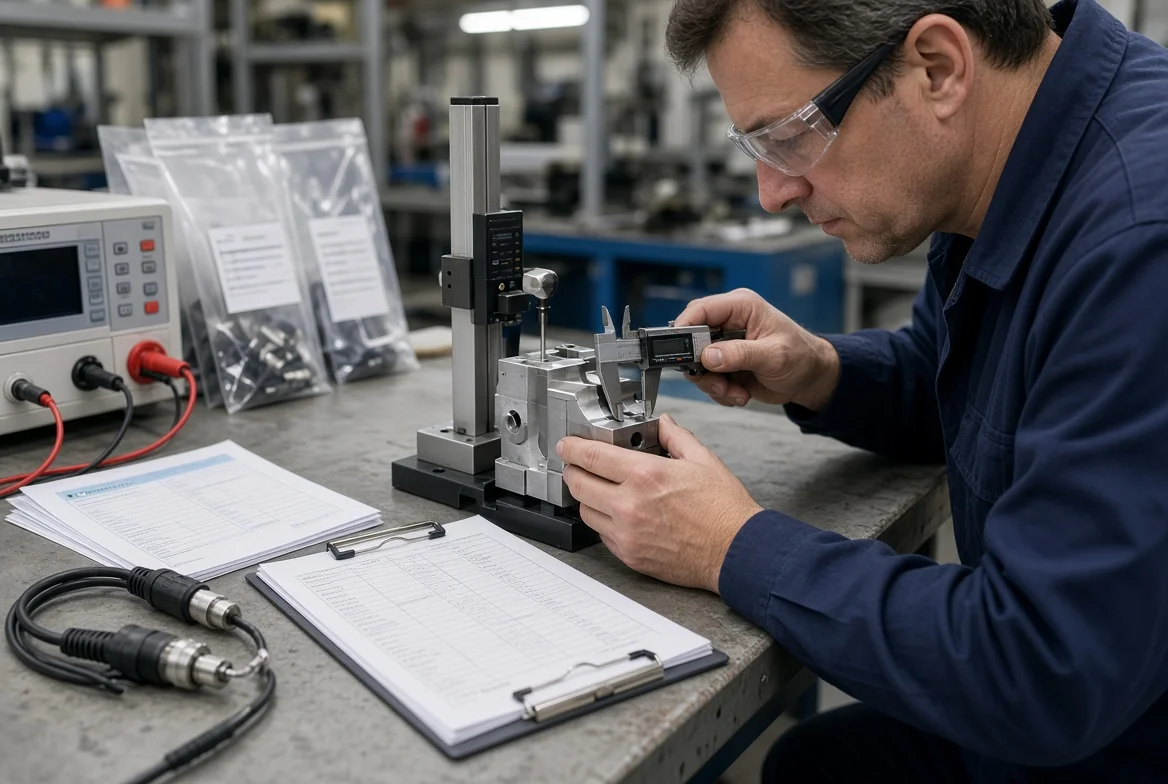
One supplier may include in-process checks, final inspection, first-article inspection, or 100% inspection. Another may offer only routine sampling. Machined parts may need dimensional reports. Cable assemblies may need electrical testing rather than basic continuity. Packaging may need print and compression checks. Write the inspection level into the comparison.
Different Testing and Validation Scope
Functional, reliability, environmental, material-verification, third-party, certification, and customer-specific tests change cost and lead time. Ask for a line-by-line statement of which tests are included, optional, outsourced, or excluded.
Different Quality Systems and Documentation
Traceability, record retention, certificates, inspection reports, and corrective-action processes are not identical across factories. A certificate does not by itself prove superior product quality. Match the quality controls to the product’s actual risk and customer requirements.
Different Compliance and Certification Requirements
Required product standards, restricted materials, test laboratories, customer approvals, and market-specific compliance can change the quote. Separate mandatory requirements, customer requirements, and buyer preferences. Verify compliance claims with qualified sources.
Packaging, Logistics, Payment, and Delivery Differences
A factory-gate number can look low while the delivered, usable cost is higher. Commercial scope is part of manufacturing pricing factors, not an afterthought.
Packaging and Labeling Scope
Standard factory packing, export cartons, retail packs, custom inserts, moisture barriers, anti-static protection, palletization, labels, and carton marks are not interchangeable. Electronics, cables, fragile parts, consumer goods, and printed packaging all have different protection needs. Confirm what arrives at your dock.
Incoterms and Freight Responsibility
EXW, FOB, CIF, DAP, DDP, and similar terms assign different cost and risk. A cheaper factory price can disappear after freight, insurance, duties, taxes, customs, and last-mile delivery. Have logistics professionals review the actual shipment. This is not legal or customs advice.
Payment Terms and Working-Capital Cost
Deposit size, milestones, credit terms, currency, and payment timing affect both the quoted price and your cash. A lower unit price that requires a large deposit or earlier payment is a different commercial offer.
Warranty, Service, and Support Scope
Technical support, warranty, replacement, after-sales service, installation, spare parts, and corrective-action support vary. For a straightforward component buy, service scope may be limited. For equipment or more complex assemblies, those differences belong in the comparison.
How Buyers Should Investigate Large Quote Differences
A large gap should trigger structured questions, not immediate acceptance or rejection.
First Check Whether the Scope Is Identical
Confirm product revision, materials, tolerances, components, quantity, quality, testing, packaging, delivery, tooling, and payment assumptions. Many apparent manufacturing cost differences are still scope differences.
Ask Suppliers to Explain the Main Cost Drivers
You do not always need a full open-book breakdown. You need the assumptions behind the gap:
- Which material and grade did you use?
- What production process and routing did you assume?
- What quantity and annual volume does the price require?
- Are tooling and setup included?
- What inspection and testing are included?
- What packaging and delivery basis did you use?
- Which requirements or documents are excluded?
- What conditions could change the quoted price?
Request Alternative Options Separately
Ask for labeled options: approved material alternatives, quantity breaks, packaging methods, process routes, or delivery terms. Keep each option out of the base quote so the comparison stays clean.
Validate Unusually Low or High Quotes
Check a low quote for omitted scope, weaker materials, unrealistic lead time, thin quality control, or temporary capacity. Check a high quote for conservative risk, inefficient routing, heavy tooling, over-specification, or low-volume assumptions. You are identifying what needs clarification, not proving the supplier’s internal cost.
Common Buyer Mistakes When Interpreting Different Supplier Quotes
Price gaps mislead even experienced teams when the comparison is built on mixed assumptions.
Assuming All Suppliers Quoted the Same Specification
Verify materials, revisions, tolerances, components, finish, testing, quality, packaging, and delivery before ranking prices.
Treating the Lowest Quote as the Most Efficient
The lowest number may exclude work, use optimistic assumptions, accept a lower quality level, or rest on a different production basis.
Demanding a Cost Breakdown Without Defining the Scope
A detailed breakdown of different assumptions is not a valid comparison. Align the technical and commercial scope first.
Ignoring Production Volume and MOQ
Do not compare a high-volume price with a low-volume price, and do not ignore the inventory created by MOQ.
Assuming Regional Labor Cost Explains Everything
Labor is a component of Manufacturing costs. You may be able to make up for a lower wage with materials, productivity, equipment, overhead, quality, logistics, yield, tooling, finance, and risk.
Failing to Record Supplier Assumptions
It is difficult to assess back a quote that has not been made with assumed assumptions. Retain supplier notes, exclusions, revisions, and reply to clarification with the file.
Final Checklist for Understanding Supplier Quote Differences
Use this diagnostic list when prices diverge.
Scope and Specification Checks
- Confirmed same packaging, labelling and documentation scope
- Ask suppliers for alternatives and/or deviations where found.Ask suppliers for alternatives and/or deviations where they are found.
- To perform the cost and production checks.Perform Cost and Production Checks.
- The same starting quantity and price-break has been used.
- MOQ and annual-volume assumptions realized.The annual volume and MOQ are realized.
Cost and Production Checks
- The following factors have been taken into account:The following assumptions have been made regarding material, labour, process, overhead and yield:
- Suppliers capacity and production routing checked.Capacity and production routing of suppliers reviewed.
- The conditions for quoting have been confirmed, as well as the conditions of the prices for materials.
Commercial and Risk Checks
- The currency was in line with the unit of measure.
- Incoterms and scope of freight similar
- Payment Terms & Working Capital impact considered.
- Quality and compliance evidence is suitable
- Focus realistic in terms of lead time and delivery commitments.
- Exclusions, assumptions and conditions recorded.
- Graphs of price differences for different sizes investigated with the suppliers

Summary Guidance — A Price Difference Is a Question, Not a Verdict
Quotes from various suppliers do not necessarily indicate overcharging, underquoting or dishonesty. Each number is based on a set of assumptions on materials, process, volume, labor, overhead, tooling, quality, logistics, payment, capacity, and risk. Place the scope first. Then tell what each quote contains, excludes, and relies on.
Which quote is the cheapest? is not the only useful question. It's “What do each of the suppliers have to offer, how will it get to us and why is it so expensive?”